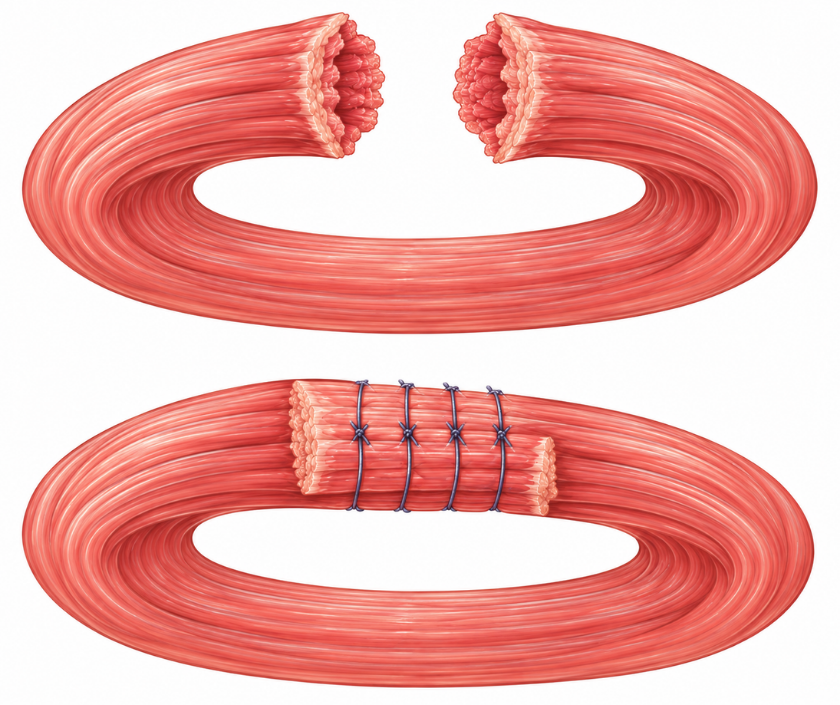
What is obstetric anal sphincter repair?
Obstetric Anal Sphincter Repair is surgery to mend the ring of muscles around the back passage after a childbirth injury. These tears, sometimes called third or fourth degree tears, can affect the muscles that keep bowel control. When the muscle ends heal apart or weakly, leakage or urgency may follow. Because control matters so much to daily life, careful repair aims to restore it. This page explains assessment, the operation, and realistic outcomes.
Why do these injuries happen in childbirth?
These injuries happen when the tissues of the perineum stretch beyond what they can bear during birth. A larger baby, an assisted delivery, or a rapid second stage can raise the risk. Sometimes the internal muscle is involved as well as the outer ring. Because such tears are common and not anyone's fault, we approach them without blame. Therefore honest information, not stigma, guides the care.
Which symptoms suggest I need a repair?
Typical symptoms include difficulty controlling wind or stool and a sudden urge that is hard to hold. Often there is leakage, especially with loose motions. Sometimes a gaping feeling or discomfort at the perineum is noticed. Because these problems affect confidence and comfort, they deserve a gentle, private assessment. Therefore any change in bowel control after birth should be raised, even long afterwards.
How is the injury assessed?
Assessment begins with a careful history and a gentle examination of the perineum and back passage. Because the muscle gap cannot always be seen, an ultrasound of the sphincter is often used. Sometimes a test of muscle pressure helps plan the repair. Privacy is respected throughout, so you can speak openly. After the review, you receive a clear written estimate following examination.
Are there non surgical options first?
Yes, milder symptoms are often helped without surgery, in line with mainstream practice. Pelvic floor physiotherapy strengthens the muscles and improves control. Meanwhile, dietary changes and stool softeners keep motions formed and easier to hold. Sometimes simple medicines reduce urgency. Because these steps help many women, surgery is reserved for a clear muscle defect or symptoms that persist.
How is obstetric anal sphincter repair performed?
The surgeon carefully identifies the torn ends of the sphincter muscles and brings them back together. In an Obstetric Anal Sphincter Repair, the outer and, when needed, the inner muscle are stitched to restore the ring. After that, the perineal body is rebuilt to give firm support. Finally, the layers are closed to protect the repair. Because this is delicate work, it may involve colorectal or urogynaecology colleagues.
What anaesthesia and hospital stay are involved?
The repair is usually done under spinal or general anaesthesia, chosen with the anaesthetist. Most women stay one or two nights so comfort and early bowel motions can be checked. Antibiotics are commonly given to reduce infection risk. Because soft stools protect the repair, laxatives are advised for the first weeks. Meanwhile, pain relief keeps you comfortable during early healing.
What are the real risks and complications?
This is delicate surgery, so we name the real risks plainly.
- Bleeding, infection, or wound breakdown
- Incomplete return of bowel control
- Pain or altered sensation
- Scar tissue at the repair
- A small opening between bowel and vagina, which is uncommon
- The need for further treatment or specialist referral
Because scars are permanent and outcomes vary, we discuss each risk with you first. Complex cases are shared with colorectal colleagues where appropriate.
What results can I realistically expect?
Many women regain much better bowel control after healing and physiotherapy. However, control is not guaranteed to return fully, since muscle and nerve healing vary. Because some symptoms may persist, ongoing physiotherapy often helps. Realistically, the goal is meaningful improvement and comfort, not a promise of perfection. Therefore honest expectations are set together before you decide.
What does recovery look like?
Early recovery focuses on rest, gentle hygiene, and keeping bowel motions soft. For the first six weeks, straining, heavy lifting, and intercourse are avoided so the repair can heal. Meanwhile, pelvic floor physiotherapy usually begins once comfortable. Most women return to light routines within two to three weeks. Because everyone heals differently, the team guides your pace at each review.
Will this affect future births?
Future births need careful planning after a sphincter repair, and this is discussed honestly. Because another vaginal delivery can strain the muscles again, some women are advised to consider a planned caesarean. However, the right choice depends on your repair, symptoms, and wishes. Therefore an individual discussion with your maternity team guides the decision. Meanwhile, physiotherapy keeps the muscles as strong as possible.
How does immediate repair compare with later repair?
Many tears are repaired at the time of birth, while some need a planned repair later. The table below compares the two situations simply.
| Feature | Repair at birth | Planned later repair |
|---|---|---|
| Timing | Straight after delivery | Weeks or months later |
| Reason | Fresh tear | Persistent symptoms or missed injury |
| Follow up | Physiotherapy | Physiotherapy and review |
For related repairs, see our pages on rectovaginal and vesicovaginal fistula repair and posterior vaginal wall repair.
How do I begin at Elegance Clinic?
Start with a private, unhurried consultation with Dr. Ashutosh Shah in Surat. During that meeting, he examines you, arranges any tests, and explains whether an Obstetric Anal Sphincter Repair suits you. You also receive a clear written estimate after examination. To explore related care, visit our hub for Cosmetic Gynecology Surgery, then contact the clinic for a confidential appointment.
Note: This page is for general information and is not a substitute for a medical consultation. Gynaecological and reconstructive care is individual, carries real risks and sometimes needs more than one procedure. Dr. Ashutosh Shah and the team will advise honestly what is right for you.
Ready to Talk, Privately?
Book a confidential consultation with Dr. Ashutosh Shah. There is no pressure, only clear and honest guidance.