
Travelling from Anand for an Intimate Procedure: Trips, Timing and Privacy
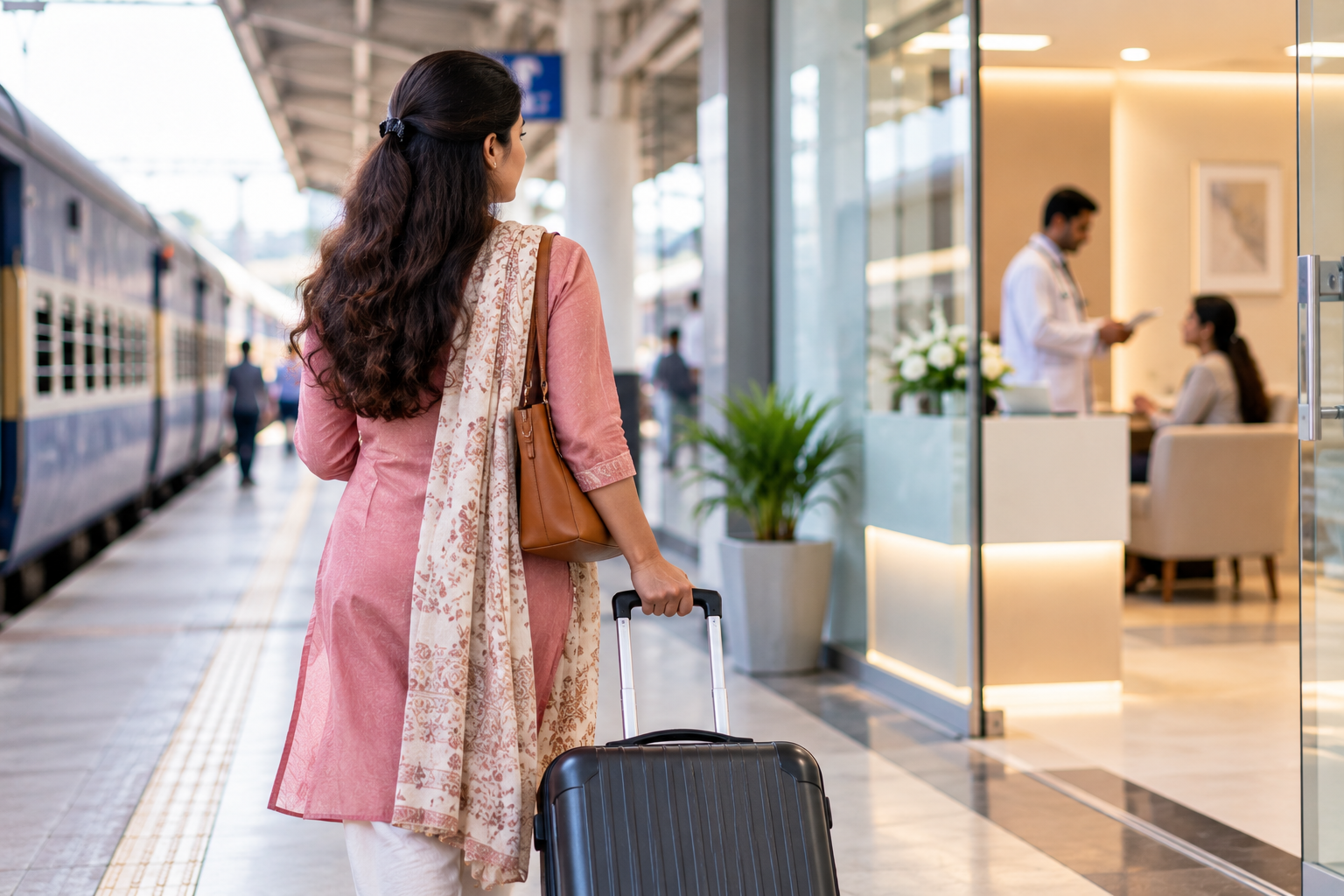
A patient travelling from Anand can usually complete blood tests, swabs and the first teleconsultation near home, leaving two in-person trips: one for assessment and one for the procedure, with later reviews handled by video where suitable.
For someone considering cosmetic gynaecology in Anand but travelling to Surat for specialist care, the number of journeys can be an important part of planning. Work, family responsibilities, privacy, travel time and recovery all need to be considered before a procedure date is fixed.
Not every stage necessarily requires a trip to Surat. Some preliminary steps may be completed near home, while examination, consent and the procedure itself may require an in-person visit.
The exact plan depends on the procedure and individual assessment, but organising these steps before travelling can avoid unnecessary journeys.
What Can Be Completed Near Home Before Travelling?
The 27 September plan allows several preliminary steps to be arranged near Anand where suitable.
These may include:
-
Initial teleconsultation
-
Blood investigations
-
Swabs when requested
-
Gathering previous medical records
-
Preparing a current medication list
-
Reviewing previous investigation reports
Starting with a remote discussion can help establish why you are seeking treatment and whether an in-person assessment is appropriate.
Patients planning cosmetic gynaecology in Anand and travel to Surat can use the Book a consultation page to begin arranging the consultation pathway.
Can the First Consultation Be Done Online?
The initial discussion may be possible by teleconsultation.
This can be useful for discussing symptoms, concerns, previous treatment and the general treatment pathway.
However, an online consultation does not replace an examination when one is required before diagnosis or treatment planning.
The clinician can explain which parts can be handled remotely and when an in-person appointment becomes necessary.
Can Blood Tests Be Done Locally Before I Travel?
Yes, the plan specifically allows blood tests and swabs to be completed near home where appropriate.
If investigations are requested, confirm exactly which tests are required before arranging them locally.
Keep the reports available for review before or during the in-person visit.
This can reduce unnecessary repeat travel between Anand and Surat.
What Must Be Done in Person and in What Order?
Although preliminary discussions and investigations may sometimes happen remotely, certain stages may require attendance in person.
A typical pathway may involve:
-
Initial discussion - teleconsultation where suitable.
-
Local investigations - blood tests or swabs when requested.
-
In-person assessment - examination and treatment planning.
-
Procedure visit - after suitability, consent and scheduling are completed.
-
Follow-up - video review where suitable, with an in-person examination when clinically required.
This structure is particularly useful for patients travelling between cities because it separates steps that can happen near home from those that genuinely require attendance.
Patients unfamiliar with the consultation process can also read What to expect as a patient.
How Many Trips Will the Treatment Take in Total?
The supplied plan describes a pathway in which a patient can usually reduce the process to two in-person trips after suitable preliminary work:
-
One trip for in-person assessment
-
One trip for the procedure
Later reviews may be handled by video where appropriate.
This is not a guaranteed number for every patient or procedure.
An additional in-person visit may be required if:
-
Further examination is needed
-
Investigation results change the plan
-
Recovery needs physical assessment
-
The clinician wants to review healing directly
-
A problem develops after returning home
Therefore, patients should confirm their individual travel plan before booking accommodation or return tickets.
Trip Planner for Cosmetic Gynaecology in Anand to Surat
| Trip | Purpose | What Happens | Minimum Stay Before Travel | What May Be Arranged Locally Instead |
|---|---|---|---|---|
| Before Trip 1 | Preliminary planning | Teleconsultation, records and investigation planning | No Surat stay required | Initial consultation, blood tests and swabs where suitable |
| Trip 1 | In-person assessment | Examination, discussion and treatment planning | Depends on assessment | Some history and investigations may already be completed locally |
| Between trips | Preparation | Review reports and prepare for the planned procedure | At home | Tests or other requested preparation may be completed locally |
| Trip 2 | Procedure | Admission/day-care procedure and initial recovery | Depends on procedure and clinician advice | Procedure itself generally requires attendance |
| After procedure | Follow-up | Recovery review | Depends on healing and procedure | Video follow-up where clinically suitable |
| Additional trip if required | Physical review | Examination of healing or a new concern | Based on clinical advice | Only where remote review is considered appropriate |
The plan does not provide one universal minimum number of hours or days before travel. The appropriate stay should therefore be determined according to the actual procedure and recovery.
How Is a Day-Care Procedure Timed for a Same-Day or Overnight Return?
Some intimate procedures may be planned as day-care treatment.
However, “day care” does not automatically mean every patient should begin a long journey immediately after discharge.
The return plan depends on:
-
Procedure performed
-
Type of anaesthesia
-
Immediate recovery
-
Pain or discomfort
-
Ability to walk comfortably
-
Bleeding or swelling
-
Clinician's discharge assessment
-
Method and duration of travel
Some patients may be suitable for travel after discharge, while others may be advised to stay locally before returning to Anand.
The decision should be made as part of the procedure plan rather than after transport has already been booked.
How Long Should You Stay Before a Road or Rail Journey?
There is no single travel interval in the supplied 27 September plan that applies to every intimate procedure.
The recommended interval depends on what was performed and how recovery is progressing.
Before booking a return journey, ask:
-
When am I expected to be discharged?
-
When can I sit comfortably for the journey?
-
Are there restrictions on prolonged sitting?
-
Do I need an overnight stay?
-
When can I safely travel by road?
-
When can I safely travel by train?
-
What symptoms should delay the journey?
If the procedure involves a more structured recovery period, the clinician may recommend remaining near the treatment centre for longer.
For procedure-specific recovery information, patients considering labial surgery can also review the Labiaplasty recovery guide.
Planning Road Travel Back to Anand
Road travel should be planned around recovery rather than convenience alone.
Before leaving Surat, make sure you have:
-
Discharge instructions
-
Prescribed medicines
-
Emergency contact information
-
Follow-up plan
-
Instructions about sitting and activity
-
Information about warning symptoms
-
A plan for the next review
If someone has accompanied you, they may also help with transport and practical arrangements after discharge.
Patients should not assume they will be ready to drive themselves immediately after a procedure, particularly where anaesthesia or sedation has been used.
Planning Rail Travel After the Procedure
Train travel can also involve prolonged sitting, walking through stations and carrying luggage.
These practical demands should be considered when deciding when to return.
If travelling by rail, consider:
-
Distance from the clinic to the station
-
Walking required at the station
-
Luggage handling
-
Sitting duration
-
Access to a comfortable seat
-
Availability of an accompanying adult when needed
The clinical team should advise when travel is appropriate according to the procedure performed.
How Is Privacy Handled for Patients From Smaller Towns?
Privacy can be especially important for someone travelling for intimate care.
A patient may not want relatives, colleagues or people in their local community to know why they are visiting Surat.
The treatment discussion should therefore include how communication, records and appointments are handled.
Patients may want to clarify:
-
Which phone number should be used
-
Whether messages can be sent
-
Whether voicemail should be avoided
-
How appointment reminders are handled
-
Who can receive information
-
How clinical photographs are handled if requested
-
How records are stored
Patients wanting more detail can read the Confidential care and privacy guide.
Will Anything Be Sent to My Home Address?
The 27 September plan asks this question but does not state that nothing will ever be sent to a patient's address.
Therefore, the safest approach is to discuss communication preferences before treatment.
Tell the clinic if postal communication creates a privacy concern.
Ask which communications are sent digitally, which may require physical documentation and what contact details should be used.
Do not assume a particular privacy arrangement without confirming it with the clinic.
Private Consultation for Patients From Anand
For patients seeking a private consultation for patients from Anand, privacy planning can begin before the first visit.
When booking, you can clarify:
-
Preferred contact number
-
Preferred communication method
-
Whether another person can receive information
-
Whether anyone will accompany you
-
Which records you need to bring
-
Whether the initial consultation can happen remotely
This can make the first in-person visit more focused and reduce unnecessary administrative discussion on the day.
What Backup and Emergency Contact Should Be Arranged Before Travelling Home?
Before returning to Anand, make sure you know whom to contact if recovery does not follow the expected course.
The discharge plan should clarify:
-
Routine contact details
-
What symptoms require an earlier review
-
What should prompt urgent medical attention
-
Whether photographs or video can be used for an initial remote review
-
When an in-person examination is required
-
Where to seek urgent help if you cannot immediately return to Surat
A remote review may help assess some concerns, but it should not delay urgent local medical care when symptoms require immediate examination.
Can Follow-Up Be Done by Video Consultation?
Yes, later reviews may be handled by video where suitable according to the 27 September plan.
Video follow-up can be useful for:
-
Discussing symptoms
-
Reviewing general recovery
-
Answering questions
-
Reviewing activity restrictions
-
Planning the next appointment
However, some situations require an in-person examination.
A clinician may request that you return if healing cannot be adequately assessed remotely or if a new symptom requires physical examination.
When Is an Additional Trip Necessary?
Although the planned pathway may involve two in-person trips, another visit may sometimes be needed.
Examples include:
-
A physical examination is required
-
Healing needs direct assessment
-
Symptoms have changed
-
A further procedure is being considered
-
The clinician cannot safely assess the issue remotely
The goal of travel planning is to avoid unnecessary trips, not to avoid a clinically necessary examination.
Conclusion
Planning cosmetic gynaecology in Anand with treatment in Surat becomes easier when each part of the pathway is organised before the first journey. Teleconsultation, blood tests and swabs may sometimes be completed near home, while examination and the procedure itself generally require in-person attendance.
The supplied plan describes two in-person trips as a practical pathway for many suitable patients: one for assessment and one for the procedure, with later video reviews where appropriate. However, the exact number of visits and the time you should remain in Surat depend on the procedure and recovery.
Before travelling home, confirm that you are fit for the road or rail journey, know your follow-up arrangements and have clear instructions about whom to contact if a problem develops.
Have a Private Question?
Every concern deserves an honest answer. Book a confidential consultation with Dr. Ashutosh Shah at Elegance Clinic, Surat, for guidance made just for you.

About the Author
Dr. Ashutosh Shah is a cosmetic gynecologist and plastic surgeon with over 22 years of experience. At Elegance Clinic in Surat, he is known for safe, honest and completely confidential intimate and aesthetic care.
Can the first consultation be done online?
Yes. The first discussion may be done by teleconsultation, although an in-person assessment may still be required before treatment.
How many trips will the treatment take in total?
Usually, two in-person trips may be planned: one for assessment and another for the procedure. Additional visits depend on individual needs.
Can blood tests be done locally before I travel?
Yes. Blood tests and requested swabs can often be completed near home before travelling.
How long should I stay before travelling back?
It depends on the procedure and recovery. Confirm the recommended stay and travel timing with the treating team before booking your return.
Can follow-up be done by video consultation?
Yes. Some follow-up reviews may be completed by video when suitable, although certain concerns may require an in-person examination.
Will anything be sent to my home address?
The plan does not specify this. Discuss your privacy and communication preferences with the clinic before treatment.
Who do I contact if there is a problem after I reach home?
Obtain the clinic's appropriate contact details and emergency instructions before travelling home.