
Puffy Outer Labia: Is It Fat or Loose Skin? Vulvar Lipoplasty vs Labia Majora Reduction
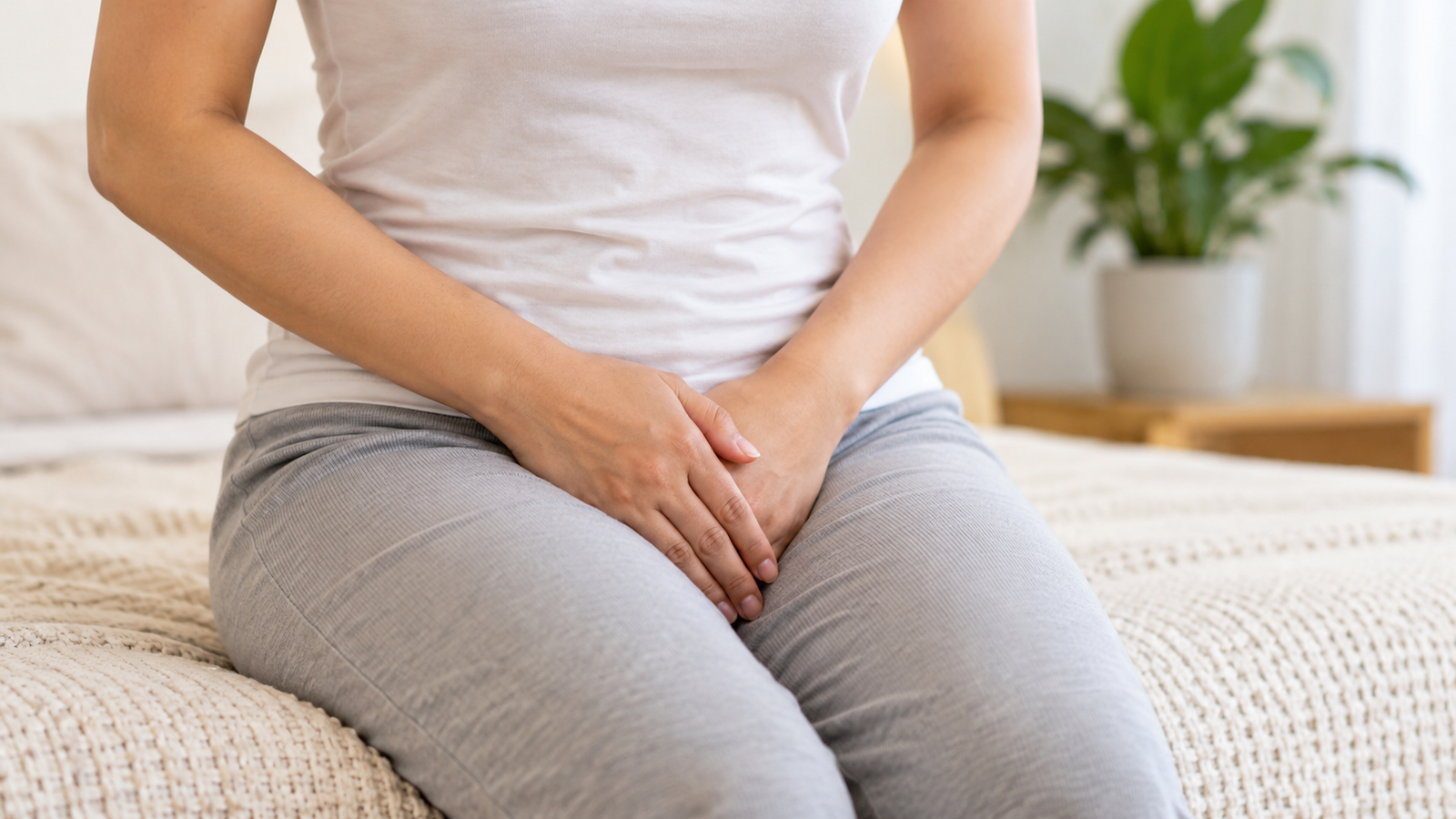
Fullness of the outer labia comes from either fat or excess skin, and the fix differs. Vulvar lipoplasty removes fat through tiny cuts and suits firm skin with a soft bulge. Labia majora reduction removes a strip of skin along the inner fold and suits loose, wrinkled skin. Many women need a combination.
<style type="text/css"> </style> Fullness of the outer labia comes from either fat or excess skin, and the fix differs. Vulvar lipoplasty removes fat through tiny cuts and suits firm skin with a soft bulge. Labia majora reduction removes a strip of skin along the inner fold and suits loose, wrinkled skin. Many women need a combination.
Vulvar lipoplasty surgery removes selected fatty tissue from the outer labia when excess fat contributes to fullness. Labia majora reduction removes excess skin when the concern is loose or hanging tissue. Some patients have both fat fullness and skin laxity, but treatment is not always necessary. A medical examination helps determine whether lipoplasty, skin reduction, combined surgery or no procedure is appropriate.
The labia majora are the outer folds of the vulva. Their size, shape and fullness vary naturally between individuals. Some women have fuller outer labia because of genetics, body fat distribution or hormonal changes, while others develop loose skin following weight changes or ageing.
Neither fullness nor skin laxity automatically indicates a medical problem. Surgery is an elective option that should be considered only after understanding the anatomy, possible benefits, risks and alternatives.
How Can You Tell Fat From Loose Skin in the Outer Labia?
The outer labia contain skin, fatty tissue and other supporting structures. Changes in any of these tissues can affect their appearance.
The first step is identifying whether the concern mainly involves fat, excess skin or both.
1. Fat Fullness
Fat-related fullness may produce a soft, rounded appearance of the labia majora.
Common characteristics include:
-
Smooth skin over a rounded bulge
-
Soft tissue fullness beneath the skin
-
Relatively good skin elasticity
-
Fullness that may change with body weight
-
Little obvious hanging or wrinkling
In selected patients, vulvar lipoplasty surgery may reduce localized fatty tissue while preserving the surrounding skin.
However, not every rounded labial contour represents excess fat requiring treatment.
2. Loose or Hanging Skin
Skin laxity may become more noticeable after significant weight changes, pregnancy or ageing.
Typical features include:
-
Wrinkled or folded outer labial skin
-
Skin that appears loose rather than rounded
-
Hanging tissue that may cause friction
-
Reduced skin elasticity
-
Excess skin that remains despite weight changes
When loose skin is the main concern, removing fat alone may not improve the appearance and could make laxity more noticeable.
Selected patients may instead consider Labia majora reduction.
3. A Combination of Fat and Loose Skin
Some patients have both excess fatty tissue and reduced skin elasticity.
In these cases, the surgeon may discuss a combined approach, although combining procedures is not automatically necessary.
The decision depends on tissue quality, blood supply, surgical risk and the patient's goals.
The Pinch-and-Look Table: Understanding Outer Labial Fullness
A gentle visual observation may help patients describe their concerns during consultation.
Important: This is an educational guide, not a diagnostic test. Patients should not forcefully pinch, pull or manipulate sensitive tissue. The final assessment requires an examination.
| Finding | Possible Cause | Procedure That May Be Considered | Scar | Recovery |
|---|---|---|---|---|
| Soft bulge with smooth skin | Fat fullness | Vulvar lipoplasty | Small incision marks | Initial recovery often 1–2 weeks; swelling may last longer |
| Wrinkled, hanging skin | Skin laxity | Labia majora reduction | Longer incision scar | Several weeks; scar maturation takes months |
| Both fullness and loose skin | Mixed fat and skin changes | Selected combined procedure | Small and longer scars | Depends on surgical extent |
| Bulge extending towards the mons | Mons pubis fullness | Mons assessment and possible treatment | Depends on procedure | Varies by treatment |
A new, one-sided, painful or rapidly enlarging lump should not be assumed to be ordinary fat. It requires medical assessment to exclude conditions such as a cyst, hernia or other swelling.
What Does Vulvar Lipoplasty Surgery Involve?
Vulvar lipoplasty surgery is a form of localized fat reduction involving carefully selected fatty tissue of the outer vulvar region.
The procedure is sometimes discussed when the labia majora appear disproportionately full and the overlying skin has sufficient elasticity.
Patients can learn more about Vulvar lipoplasty.
Step 1: Consultation and Examination
The surgeon examines the distribution of fatty tissue, skin elasticity, symmetry and relationship between the labia majora and mons pubis.
Medical history, medications, previous procedures and healing risks are reviewed.
Step 2: Anaesthesia
Depending on the planned procedure, anaesthesia may involve local anaesthesia, sedation or general anaesthesia.
The appropriate approach is determined by the surgeon and anaesthesia team.
Step 3: Fat Reduction
If lipoplasty is suitable, small incisions may be used to access the targeted fatty tissue.
The surgeon must carefully limit fat removal to avoid contour irregularities, excessive hollowing and injury to nearby structures.
The aim should be proportionate contour improvement rather than removing as much fat as possible.
Step 4: Recovery
Temporary swelling, bruising and tenderness may occur.
Patients receive instructions about wound care, clothing, physical activity and follow-up.
Can Removing Too Much Fat Cause Problems?
Yes.
Excessive fat removal may result in:
-
Hollow or deflated appearance
-
Irregular contours
-
Asymmetry
-
Skin laxity becoming more visible
-
Scar-related discomfort
-
Dissatisfaction with the result
Because the labia majora normally contain protective fatty tissue, overly aggressive reduction may affect cushioning and comfort.
When Is Labia Majora Reduction Needed Instead?
Labia majora reduction is generally considered when excess skin, rather than fatty tissue alone, causes the main concern.
The procedure removes selected skin and may involve limited tissue reshaping.
Patients may consider consultation when loose tissue causes persistent friction, discomfort during activities or personal cosmetic concerns.
How Does the Surgery Differ?
Unlike lipoplasty, which primarily reduces fat, labia majora reduction involves surgical removal of excess skin.
Incisions may be positioned along natural anatomical folds where appropriate, but scars cannot be completely avoided.
The surgeon must preserve sufficient tissue and avoid excessive tension on the closure.
What Are the Possible Risks?
Potential complications include:
-
Bleeding or haematoma
-
Infection
-
Wound separation
-
Visible scarring
-
Asymmetry
-
Excessive tissue removal
-
Altered sensation
-
Persistent discomfort
-
Need for further surgery
Patients should understand that labia majora reduction does not guarantee perfect symmetry or a particular cosmetic appearance.
For additional information about laxity and treatment selection, read Loose vulvar skin treatment.
Is the Mons Pubis Part of the Problem?
The mons pubis is the fatty tissue-covered area over the pubic bone, above the external genital structures.
Some women who describe their outer labia as puffy may actually have fullness extending into the mons pubis.
This distinction matters because the anatomical treatment areas differ.
Signs of Mons Pubis Fullness
Possible features include:
-
A rounded prominence above the vulva
-
Fullness visible beneath fitted clothing
-
A bulge extending towards the lower abdomen
-
Fat distribution that differs from the labia majora
The mons may become more prominent with weight changes or changes in skin elasticity.
Patients can read about Bulky mons pubis to understand how this differs from labial fullness.
Can Vulvar Lipoplasty Be Combined With Monsplasty?
In selected cases, yes.
A surgeon may consider treating both areas when the patient has distinct concerns involving the mons pubis and labia majora.
However, combining procedures may increase the treatment area, swelling and recovery requirements.
The decision should be based on clinical assessment rather than assuming both areas need correction.
Labia Majora Reduction Near Athwa Surat: How Is the Right Procedure Selected?
Patients considering labia majora reduction near athwa surat should begin with an anatomical assessment to identify whether fullness is caused by fat, loose skin, mons pubis prominence or another condition.
During a consultation at Elegance Intimate Wellness, Dr. Ashutosh Shah can discuss the patient's concerns, medical history, available treatment approaches and possible complications.
The consultation should explain:
-
Whether the anatomy is within normal variation
-
Whether the concern is mainly fat or skin
-
Whether surgery is likely to provide meaningful improvement
-
Which incisions and scars may be involved
-
What complications are possible
-
Whether a combined procedure is appropriate
-
What recovery and follow-up may involve
The choice should be guided by the patient's own goals and informed consent.
What Does Recovery Look Like After Each Procedure?
The vulvar lipoplasty recovery time may differ from recovery after labia majora skin reduction.
Lipoplasty often involves smaller incisions, while skin reduction requires a longer incision and wound closure.
However, recovery depends on the extent of surgery, individual healing and whether procedures are combined.
First 48–72 Hours
Patients may experience swelling, bruising, tenderness and mild discomfort.
Rest, prescribed medication and appropriate wound care are important.
The surgeon may advise avoiding unnecessary friction or pressure on the treated area.
Week 1
Swelling and bruising may remain noticeable.
Some patients can resume light desk-based activities when comfortable, but others may need additional time.
Loose clothing may help reduce friction.
Weeks 2–3
Discomfort and swelling often begin to improve.
Patients may gradually increase daily activities according to their surgeon's instructions.
Strenuous exercise, cycling and activities involving direct pressure may still need to be avoided.
Weeks 4–6
Many patients experience further healing during this period.
Return to gym activities, intercourse and fitted clothing should depend on wound healing, discomfort and medical clearance.
Skin-reduction procedures may require greater caution if the incision remains tender.
Months 2–6
Residual swelling may continue to settle, and scars gradually mature.
The final contour may not be apparent during the early postoperative weeks.
Persistent pain, worsening swelling, wound separation or unusual changes should be assessed.
Will Vulvar Lipoplasty Leave Scars?
One common concern is vulvar lipoplasty scars.
Lipoplasty generally requires small access incisions, so small scars are expected.
Labia majora reduction typically creates a longer scar because excess skin must be removed and the wound closed.
Scar appearance depends on:
-
Incision placement
-
Individual healing
-
Skin characteristics
-
Wound tension
-
Infection or wound complications
-
Postoperative care
Scars may become less noticeable over time, but no surgeon can promise completely invisible scars.
What Are the Risks of Vulva Fat Reduction Surgery?
Although vulva fat reduction surgery may involve limited incisions, it is still a surgical procedure.
Potential risks include bleeding, infection, swelling, contour irregularities, asymmetry, scarring, altered sensation and dissatisfaction with the result.
There is also a risk of removing too much fatty tissue, which may create hollowing or reduce the natural cushioning of the labia majora.
A combined fat-and-skin procedure can introduce additional wound-healing considerations.
Patients should discuss both short-term complications and possible long-term contour changes before surgery.
Is Surgery Always Necessary for Puffy Outer Labia?
No.
The labia majora naturally vary in fullness, shape and symmetry.
Some patients have prominent outer labia throughout adulthood without any medical problem.
Others notice changes after pregnancy, weight fluctuations or ageing.
Surgery should not be recommended simply because the anatomy differs from photographs or cosmetic advertising.
If there is no pain, friction-related difficulty or personal concern requiring intervention, no treatment is a completely reasonable choice.
When symptoms are present, the clinician should also rule out skin conditions, cysts and other causes before recommending cosmetic surgery.
Have a Private Question?
Every concern deserves an honest answer. Book a confidential consultation with Dr. Ashutosh Shah at Elegance Clinic, Surat, for guidance made just for you.

About the Author
Dr. Ashutosh Shah is a cosmetic gynecologist and plastic surgeon with over 22 years of experience. At Elegance Clinic in Surat, he is known for safe, honest and completely confidential intimate and aesthetic care.
Will vulvar lipoplasty leave scars?
Yes. Vulvar lipoplasty surgery generally requires small incisions, which can leave small scars. Labia majora reduction usually involves longer incisions. Scar visibility varies according to surgical technique and individual healing.
Can weight loss reduce puffy labia?
Weight loss may reduce fatty fullness in some individuals, but the change is unpredictable. It does not reliably correct loose or hanging skin. The appearance of the labia majora also depends on genetics and normal anatomical variation.
Is vulvar lipoplasty safe with PCOS?
Having PCOS does not automatically exclude a patient from surgery. However, associated conditions, metabolic health, medications and individual surgical risks should be assessed before an elective procedure. PCOS does not necessarily cause labial fullness.
Can fat removed from the labia come back?
Removed fat cells do not simply regenerate in the same way, but remaining fat cells can enlarge with future weight gain. Ageing, weight changes and hormonal factors may also affect the appearance over time.
Can this be combined with monsplasty?
Yes, selected patients may be candidates for combined treatment of the mons pubis and labia majora. Anyone considering labia majora reduction near athwa surat should first undergo an examination to determine whether one or both areas actually require treatment.
How soon can I wear fitted clothes or gym wear?
This depends on swelling, wound healing and the procedure performed. Loose clothing is generally more comfortable during early recovery. Fitted gym wear and activities that cause friction should be resumed only when the surgeon confirms that healing is adequate.