
Too Tight After Vaginal Tightening Surgery? Why Pain Happens and How It Is Prevented
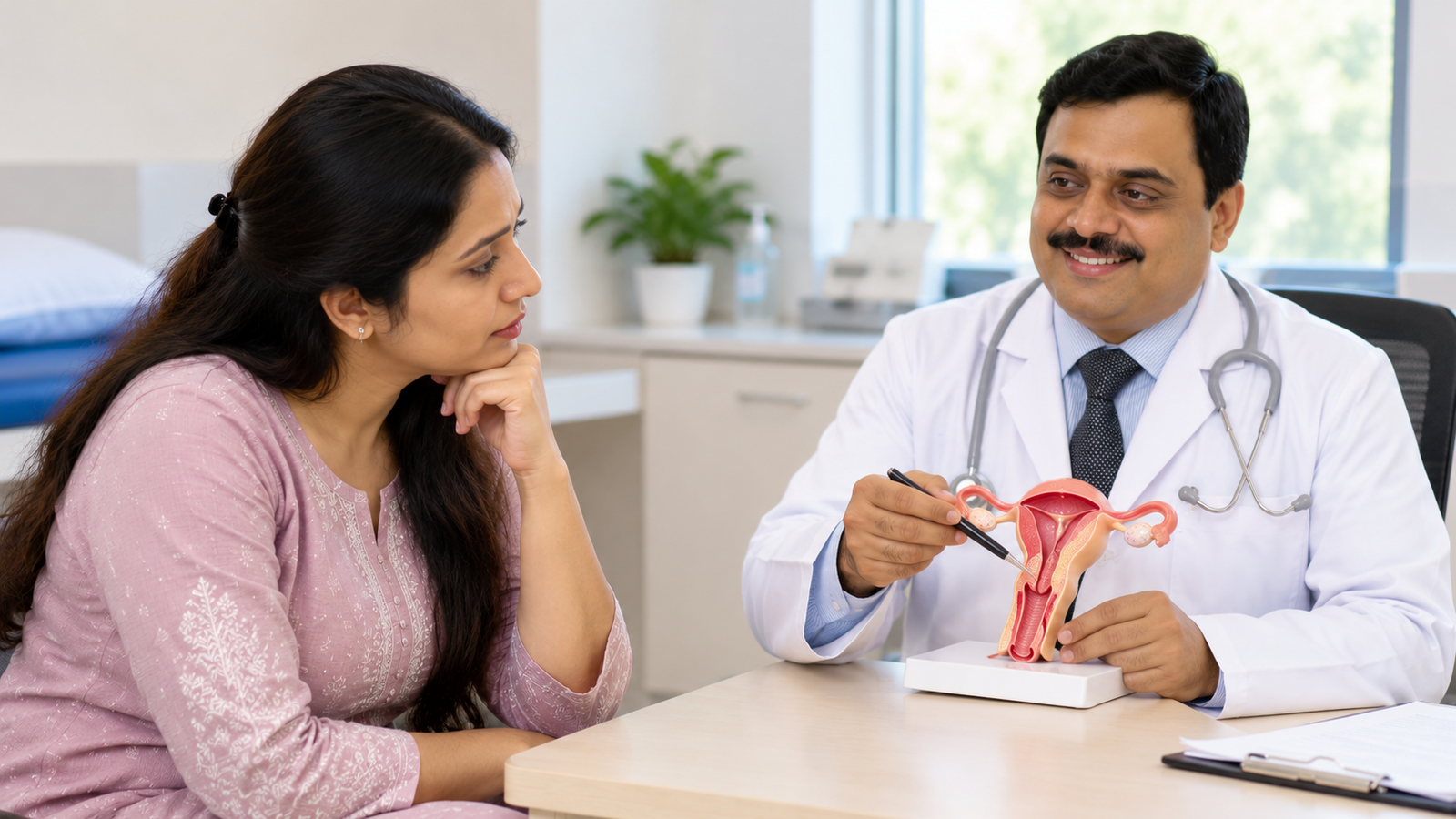
Pain or a too-tight feeling after vaginal tightening surgery usually comes from swelling, scar tightness at the entrance or a repair made narrower than needed. Most early tightness eases by eight to twelve weeks with healing, gentle dilator use and pelvic floor relaxation. Persistent pain needs examination, and a small scar release is occasionally required.
Pain or a too-tight feeling after vaginal tightening surgery usually comes from swelling, scar tightness at the entrance or a repair made narrower than needed. Most early tightness eases by eight to twelve weeks with healing, gentle dilator use and pelvic floor relaxation. Persistent pain needs examination, and a small scar release is occasionally required.
Vaginal tightening surgery side effects can include swelling, temporary discomfort, scar tightness, pelvic-floor muscle spasms and pain during intercourse. Some women experience a feeling of excessive tightness after surgery. While early symptoms may improve as tissues heal, persistent pain or difficulty with penetration requires medical assessment. Treatment depends on whether swelling, scarring, muscle tension or surgical over-correction is responsible.
Vaginal tightening surgery, sometimes called surgical vaginoplasty or vaginal reconstruction depending on the procedure, aims to address selected anatomical or functional concerns.
However, successful surgery should not be defined by making the vaginal opening as narrow as possible.
Comfort, normal function, tissue health and patient satisfaction are more important than excessive tightness.
What Does "Too Tight" Actually Mean After Vaginal Tightening Surgery?
A sensation of excessive tightness does not always mean the surgeon has removed too much tissue.
Several different conditions can produce similar symptoms.
1. Postoperative Swelling
Swelling is common after surgery because tissues react to the operation.
During early healing, swelling can temporarily make the vaginal entrance feel narrower or more sensitive.
As inflammation decreases, this sensation may improve.
However, severe or worsening pain should not automatically be attributed to normal swelling.
2. Scar Tightness
Surgical incisions heal by forming scar tissue.
In some patients, the scar may become firm, sensitive or less flexible.
If a scar forms near the vaginal entrance, it can cause pulling, burning or discomfort during stretching.
Scar-related tightness may become more noticeable when attempting intercourse after healing.
3. Pelvic-Floor Muscle Spasm
The pelvic-floor muscles support the pelvic organs and contribute to bladder, bowel and sexual function.
After a painful experience or surgery, these muscles may tighten involuntarily.
This can make penetration uncomfortable even when the vaginal opening is anatomically adequate.
Patients experiencing muscle-related pain may benefit from understanding Vaginismus explained.
4. Excessive Surgical Narrowing
In some cases, the vaginal opening or repaired tissues may be narrower than is comfortable or functionally appropriate.
This may occur when excessive tissue is removed or the repair creates too much tension.
True anatomical over-correction requires examination and should not be diagnosed from symptoms alone.
How Is the Right Width Planned Before Surgery?
The goal of vaginal tightening surgery should be to address a clearly identified concern while preserving comfortable function.
There is no single ideal vaginal width that applies to every woman.
The appropriate surgical plan depends on anatomy, previous childbirth injuries, pelvic-floor function, existing scars and symptoms.
Before considering Surgical vaginal tightening, patients should discuss their expectations and the potential for painful intercourse.
Pre-Surgery Planning Checklist
- Explain the main reason for considering surgery.
-
Discuss previous vaginal deliveries and perineal injuries.
-
Report any existing pain during intercourse.
-
Discuss previous vaginismus or pelvic-floor muscle spasm.
-
Identify existing scars or tissue damage.
-
Ask how the surgeon will preserve comfortable vaginal function.
-
Discuss the intended degree of tissue repair or narrowing.
-
Agree on an individualized surgical plan after examination.
-
Understand possible complications, including painful intercourse.
-
Discuss non-surgical alternatives and expected recovery.
Why Is Surgical Calibration Important?
Surgical planning may include assessment of the vaginal opening, tissue flexibility and the extent of any required repair.
The surgeon should avoid excessive narrowing and tension.
Any intraoperative calibration method should follow the surgeon's established clinical protocol and the patient's individual anatomy.
A specific width or instrument size should never be presented as universally correct for every patient.
The aim is to preserve function, not to achieve an arbitrary measurement.
Which Early Symptoms Are Normal and Which Are Not?
Some discomfort is expected after vaginal surgery, but the intensity and duration vary.
Patients may experience temporary swelling, bruising, tenderness or sensitivity around the incision.
These symptoms should generally improve during healing.
However, increasing pain, fever, heavy bleeding or unusual discharge may indicate a complication.
Recovery and Symptom Timeline
| Recovery Period | Possible Expected Sensation | Not Expected — Contact the Clinic | What May Help |
|---|---|---|---|
| Week 1 | Swelling, tenderness, mild discomfort | Severe worsening pain, heavy bleeding, fever | Rest, prescribed medication, appropriate wound care |
| Week 2 | Gradually reducing swelling and sensitivity | Increasing redness, foul-smelling discharge, wound separation | Gentle hygiene and scheduled follow-up |
| Weeks 3–4 | Improving comfort, possible scar firmness | Persistent severe pain, worsening swelling, urinary difficulty | Medical review and activity guidance |
| Weeks 5–6 | Continued healing and improving mobility | Significant pain with gentle movement or persistent wound problems | Examination before resuming intercourse |
| Weeks 7–12 | Further scar softening and improved comfort may occur | Persistent penetration difficulty, burning or severe tightness | Assessment for scar problems or pelvic-floor spasm |
| After 3 Months | Ongoing scar maturation | Persistent painful intercourse or significant functional restriction | Specialist evaluation and individualized treatment |
This timeline is illustrative. Recovery varies by procedure and patient, and some symptoms require assessment earlier than the periods shown.
How Long Does Tightness Usually Last?
Early postoperative tightness may improve over several weeks as swelling decreases.
Scar tissue can continue changing for months.
However, eight to twelve weeks is not a guaranteed recovery period.
Persistent pain should not be ignored simply because the patient has not reached a particular postoperative milestone.
How Do Vaginal Dilators and Pelvic-Floor Relaxation Help?
When discomfort results from pelvic-floor muscle spasm or selected scar-related restrictions, conservative treatment may help.
However, treatment should begin only after a qualified clinician identifies the cause and confirms that the surgical tissues have healed sufficiently.
Vaginal Dilator Therapy
Vaginal dilators are medical devices available in graduated sizes.
Under professional guidance, they may help selected patients gradually improve tolerance to vaginal insertion and reduce fear-related muscle guarding.
Dilator therapy should not involve forcing a device through pain.
Patients should never begin dilator use on a fresh surgical wound or attempt to stretch a painful repair without medical clearance.
A clinician should determine whether dilators are appropriate, when to introduce them and how to progress safely.
Pelvic-Floor Physiotherapy
Pelvic-floor physiotherapy may help when muscles remain excessively tense or painful.
Treatment can include:
-
Breathing and relaxation exercises
-
Awareness of pelvic-floor muscle activity
-
Gentle muscle down-training
-
Pain education
-
Supervised stretching when appropriate
-
Gradual return to comfortable activities
Patients can learn more about the Pelvic floor programme.
Should You Perform Kegel Exercises?
Not automatically.
Kegel exercises strengthen pelvic-floor muscles, but strengthening is not always appropriate when the muscles are already overactive or unable to relax.
In such cases, relaxation-focused physiotherapy may be more suitable.
A pelvic-floor assessment helps determine the correct approach.
Vaginal Tightening Near Ghod Dod Road Surat: When Should You Seek Medical Advice?
Patients researching vaginal tightening near ghod dod road surat should understand the potential for postoperative pain and excessive tightness before deciding on surgery.
At Elegance Intimate Wellness, patients considering consultation with Dr. Ashutosh Shah can discuss their symptoms, previous surgery, healing concerns and possible management options.
A medical examination may help identify whether discomfort comes from swelling, scar contraction, pelvic-floor muscle spasm or anatomical narrowing.
Symptoms That Need Prompt Assessment
Contact a qualified clinician if you experience:
-
Severe or increasing pain
-
Fever or chills
-
Heavy bleeding
-
Foul-smelling discharge
-
Wound separation
-
Difficulty passing urine
-
Increasing swelling or redness
-
Persistent burning or unusual sensitivity
-
Significant difficulty with penetration after healing
Patients experiencing persistent symptoms can also read about Pain during intercourse.
Pain should never be dismissed as proof that the surgery has achieved the desired tightness.
When Is Revision Surgery or Scar Release Needed?
Most early postoperative discomfort does not automatically require another operation.
The first step is identifying the cause.
If symptoms result mainly from swelling or pelvic-floor muscle tension, conservative treatment may be appropriate.
However, persistent anatomical narrowing or a painful, restrictive scar may require surgical assessment.
Scar Release
Scar release may be considered when a localized scar restricts tissue movement or causes persistent pain.
The surgeon may release or revise the scar and reconstruct the area to reduce tension.
However, scar release creates another wound and carries its own risks.
Revision Surgery
Revision surgery may be considered when the original repair causes significant anatomical restriction or persistent functional difficulty.
The procedure depends on the location and extent of narrowing, tissue condition and previous surgical technique.
Possible limitations include:
-
Additional scarring
-
Infection
-
Wound-healing problems
-
Persistent discomfort
-
Altered sensation
-
Incomplete improvement
-
Need for further treatment
Revision cannot guarantee complete restoration of the previous anatomy or elimination of pain.
When Should Revision Be Planned?
Elective revision is often considered after sufficient tissue healing and scar maturation.
However, there is no universal waiting period.
Urgent complications may require earlier treatment, while stable scar-related concerns may benefit from additional healing time.
Can Vaginismus Develop After Vaginal Tightening Surgery?
Yes, involuntary pelvic-floor muscle guarding can develop or worsen after a painful surgical or sexual experience.
Vaginismus is commonly associated with difficulty tolerating vaginal penetration because of involuntary muscle contraction, fear, pain or a combination of factors.
However, not every case of postoperative penetration pain is vaginismus.
Other causes include:
-
Scar-related restriction
-
Infection
-
Vaginal dryness
-
Inflammation
-
Pelvic-floor muscle overactivity
-
Excessive surgical narrowing
-
Nerve-related pain
A careful examination helps distinguish these causes.
Treatment may involve pelvic-floor physiotherapy, pain management, psychological support when appropriate or treatment of a structural problem.
What Does ACOG Say About Vaginal Cosmetic Surgery Risks?
The American College of Obstetricians and Gynecologists (ACOG) discusses elective female genital cosmetic procedures in Committee Opinion No. 795.
ACOG notes that high-quality evidence supporting the safety and effectiveness of many elective genital cosmetic procedures is limited.
The guidance identifies possible complications such as:
-
Pain
-
Bleeding
-
Infection
-
Scarring
-
Altered sensation
-
Painful intercourse (dyspareunia)
-
Need for additional surgery
These concerns are particularly important when evaluating vaginal tightening surgery side effects.
Patients should receive balanced counselling about expected benefits, limitations, alternatives and possible long-term consequences.
Surgery should never be promoted as necessary simply because of normal anatomical differences or external expectations about sexual function.
How Can Excessive Tightening Be Prevented?
Prevention begins with appropriate patient selection and careful surgical planning.
1. Identify the Actual Problem
Not every sensation of vaginal looseness results from excess tissue.
Some symptoms may involve pelvic-floor weakness, childbirth injury or pelvic organ prolapse.
Each condition requires a different treatment approach.
2. Assess Existing Pain
Women who already experience painful intercourse should undergo assessment before considering tightening surgery.
Operating without identifying the cause of pain may worsen symptoms.
3. Preserve Functional Anatomy
The surgeon should avoid excessive tissue removal and unnecessary tension.
Comfortable function should remain a central surgical goal.
4. Discuss Realistic Expectations
No operation can guarantee improved sexual satisfaction or a particular sensation during intercourse.
The patient should understand the possibility of postoperative pain and scarring.
5. Arrange Follow-Up
Postoperative reviews help identify wound problems, excessive scar formation and persistent pain.
Early assessment can prevent patients from attempting inappropriate self-treatment.
Have a Private Question?
Every concern deserves an honest answer. Book a confidential consultation with Dr. Ashutosh Shah at Elegance Clinic, Surat, for guidance made just for you.

About the Author
Dr. Ashutosh Shah is a cosmetic gynecologist and plastic surgeon with over 22 years of experience. At Elegance Clinic in Surat, he is known for safe, honest and completely confidential intimate and aesthetic care.
How long does pain after vaginal tightening last?
Mild postoperative discomfort may improve over days to weeks, while scar maturation can continue for several months. Severe, worsening or persistent pain requires medical assessment. The exact recovery period depends on the procedure and individual healing.
Is it normal to bleed during first intercourse after surgery?
Bleeding should not be considered an expected or desirable part of intercourse. Minor spotting can have several causes, but bleeding or pain after surgery should prompt stopping intercourse and contacting a clinician, particularly if bleeding is heavy or persistent.
Can vaginismus start after tightening surgery?
Yes. Pain, fear of penetration or pelvic-floor muscle guarding may contribute to vaginismus-like symptoms after surgery. However, structural narrowing and scar problems must also be considered before making a diagnosis.
Should my partner be involved in recovery planning?
Partner involvement can be helpful if the patient wants support with recovery and communication. However, the patient's comfort, privacy and consent must remain central. A partner should never pressure someone to resume intercourse before they feel ready or receive medical clearance.
Can over-tightening be reversed?
Some causes of tightness improve with healing, physiotherapy or clinician-guided dilator therapy. True anatomical narrowing may require scar release or revision surgery. Patients considering vaginal tightening near ghod dod road surat should seek an individual assessment because complete reversal cannot be guaranteed.
Does laser cause the same problem?
Vaginal laser procedures do not surgically remove or stitch tissue in the same way as tightening surgery. However, energy-based treatments can cause burns, scarring, irritation or persistent pain. They should not be assumed to be risk-free alternatives, and evidence for many promoted vaginal rejuvenation indications remains limited.