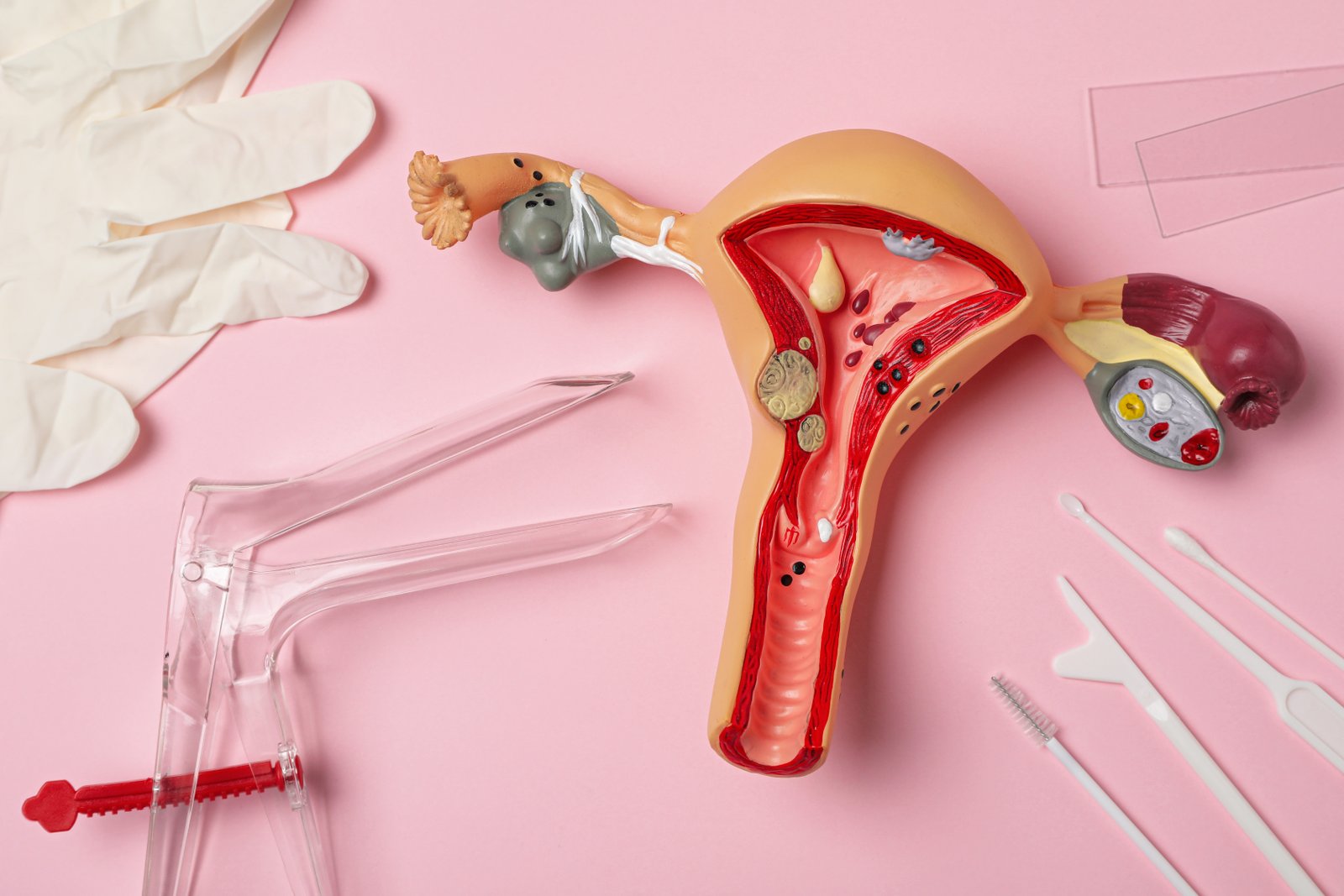

What is Surgical Vaginal Tightening?
Surgical Vaginal Tightening is an operation, usually called vaginoplasty, that narrows the vaginal canal and repairs the muscle layer behind it. Therefore it is not a cream, a device, or a quick clinic session. Instead, the surgeon removes a measured strip of stretched lining and brings the deeper muscles back together with stitches. Because the repair reaches muscle and not only surface tissue, the change is structural. Above all, the plan is built around your own anatomy after a proper examination.
You will find the full overview of the operation on our vaginoplasty page. However, this page deals only with the surgical route, and with what honestly separates it from the energy based treatments many clinics advertise.
Why do women consider the surgical route?
Women choose surgery mainly because the looseness they feel comes from real tissue and muscle separation, which no device can reverse. Childbirth, especially a long second stage or an assisted delivery, stretches the vaginal walls and the perineal muscles. Consequently the canal can feel wider, friction during intercourse may drop, and some women notice air escaping or a heavy dragging feeling. Ageing and falling oestrogen add to the picture. In short, an anatomical problem usually needs an anatomical repair.
What are the signs that surgery may help?
Surgery tends to help when the change is physical, visible on examination, and stable over many months. Your gynaecologist will assess the vaginal opening, the tone of the pelvic floor, and the width of the canal itself. Typical signs include the following.
- Reduced friction and sensation during intercourse, for you, your partner, or both.
- A sense that the vaginal opening sits wider than it once did.
- Air entering and escaping from the vagina, sometimes during exercise or yoga.
- A perineum that feels thin or flat after an earlier tear or episiotomy.
- Little change despite several months of committed pelvic floor exercise.
By contrast, if your main complaint is dryness, burning, or pain, an operation is rarely the first answer. Therefore we investigate those symptoms properly before surgery is even discussed.
How does surgery differ from laser and radiofrequency?
Surgery physically removes and rebuilds tissue, whereas laser and radiofrequency only heat the lining to encourage collagen. Consequently the two approaches suit very different problems. Devices can genuinely help mild surface laxity, dryness, and early changes around menopause. However, they cannot bring separated muscles back together, and they cannot narrow a canal that has truly widened. Our non surgical rejuvenation page covers those options, and we will say plainly if that route suits you better than an operation.
| Point of comparison | Surgery | Laser or radiofrequency |
|---|---|---|
| What it changes | Lining and muscle layer | Surface lining only |
| Anaesthesia | Spinal or general | Usually none or topical |
| Time away from routine | About one to two weeks | Little or none |
| Sessions needed | Usually one operation | Often three or more |
| Best suited to | Moderate to marked laxity | Mild surface complaints |
Who is a good candidate for this operation?
A good candidate is a healthy adult woman who has completed her family and holds realistic expectations. Because pregnancy and vaginal delivery can undo a repair, we usually advise waiting until you are certain about family planning. Smoking, uncontrolled diabetes, and any active infection must be addressed first. Importantly, the wish should be your own and not something asked of you by anybody else. During consultation Dr. Ashutosh Shah will say clearly whether the operation is likely to give what you are hoping for.
How is the operation actually done?
The surgeon removes a wedge of stretched lining from the back wall of the vagina, then stitches the underlying muscles together in layers. Marking is planned before anaesthesia, so that the repair matches what you actually feel and describe. Afterwards the lining is closed with dissolving stitches that need no removal. Sometimes the perineum is rebuilt in the same sitting, a step known as perineoplasty. Meanwhile the opening is checked repeatedly during the operation, so that narrowing is sufficient yet never excessive.
What anaesthesia is used and how long does it take?
Most repairs are carried out under spinal or general anaesthesia and take roughly one to two hours. An anaesthetist reviews your health beforehand and selects the safest option for you. Many women return home the same day, although an overnight stay is arranged when the repair has been extensive. Because comfort matters from the very first hour, pain relief is planned before you wake rather than afterwards.
What is recovery like after surgery?
Recovery is usually steady, with most women back at desk work inside a week and into normal routine within two to three weeks. Swelling and bruising peak in the first few days, then settle. Simple painkillers, cool packs, and loose cotton clothing help considerably. However, intercourse and tampons must wait about six weeks, because the internal repair needs that time to gain strength. Meanwhile gentle walking is encouraged from the first day.
- Keep the area clean and dry, and pat rather than rub after washing.
- Avoid heavy lifting, gym work, and long journeys for the first fortnight.
- Eat fibre and drink water, since straining at stool stresses the repair.
- Attend every review appointment, even when you feel completely fine.
What results should I expect?
Expect a narrower and better supported canal, and for most women improved friction and confidence during intimacy. Results settle across three to six months as oedema clears and scars soften. Sensation, however, depends on hormones, arousal, and pelvic floor function as much as on width. Therefore physiotherapy is often combined with the operation. Above all, no honest surgeon can guarantee a particular outcome, and we will never promise one.
What are the risks?
Main risks include bleeding, infection, delayed healing, scar tightness, and pain during intercourse if the canal is narrowed too much. Serious complications are uncommon in experienced hands, yet they are never zero. Occasionally a small part of the stitch line opens and needs extra time or a minor revision. Numbness near the scar may linger for some months. Because early problems are far easier to manage, we review you at set intervals and ask you to call sooner if anything worries you.
What does it cost in India?
Cost in India depends on the extent of the repair, the anaesthesia chosen, the theatre used, and whether a perineal repair is added. Fees are quoted in rupees and follow your examination findings, so no honest figure can be given over the phone. At Elegance Clinic you receive a clear written estimate after examination, listing surgeon, anaesthesia, theatre, and review visits. Therefore later surprises are avoided. By contrast, a very low headline price often hides missing items, so read any estimate line by line.
What are the common myths?
The largest myth is that this operation is pure vanity with no functional benefit at all. In reality most women come for comfort, confidence, and intimacy rather than appearance. Another belief is that a laser can do the same work in fifteen minutes, which is simply untrue, because light cannot reach the muscle layer. Some women also fear losing sensation, whereas the nerves that matter are not the target of the repair. Finally, this is not an operation only for older women, since many patients are in their thirties.
Why choose Elegance Clinic in Surat?
Elegance Clinic brings cosmetic gynaecology together under one roof, with a surgeon who performs this work regularly and a team trained to protect your privacy. Consultations are unhurried, private, and never pushed towards a package. If the outer tissues also trouble you, our page on vulvar lift may be worth reading. Because Surgical Vaginal Tightening is a personal decision, you are given written information, time to think, and a second appointment whenever you want one.
Should you be considering surgery, a private consultation with Dr. Ashutosh Shah in Surat is a calm place to begin. You will receive a straight assessment, the options that genuinely fit your anatomy, and no pressure to book on the day.
Note: This page is for general information and is not a substitute for a medical consultation.
Ready to Talk, Privately?
Book a confidential consultation with Dr. Ashutosh Shah. There is no pressure, only clear and honest guidance.