What is posterior vaginal wall repair?
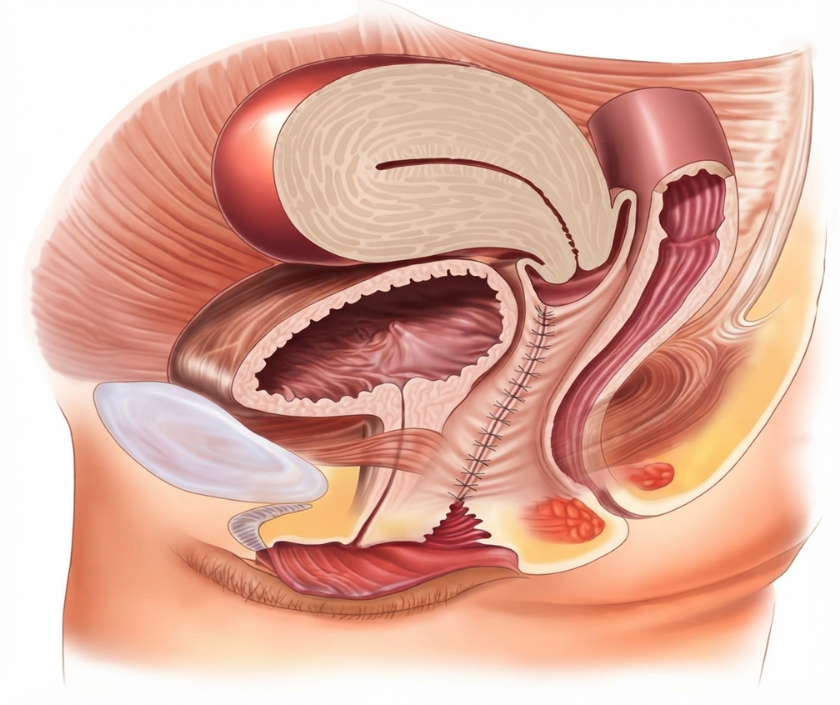
Posterior Vaginal Wall Repair is surgery that restores support to the back wall of the vagina when it sags or bulges. Doctors call this bulge a rectocele, because the rectum pushes forward against the loosened wall. During the operation, the stretched supporting tissue is tightened so the bowel sits back where it belongs. Because your own tissue is used, the repair aims to feel natural. This page explains the condition, the choices, and what recovery really involves.
Which symptoms suggest I may need it?
Common symptoms include a soft bulge at the back of the vagina and a dragging feeling of pressure. Often there is difficulty emptying the bowel, so some women press on the vagina to help. Sometimes intimacy feels different or uncomfortable. Because these signs overlap with other conditions, a proper examination matters. Therefore any new bulge or bowel change deserves a calm, private assessment first.
Are there non surgical options I should try first?
Yes, conservative care is usually offered before surgery, in keeping with mainstream gynaecology. Pelvic floor physiotherapy can strengthen support and ease mild symptoms. Meanwhile, softer stools from fluids, fibre, and good toilet habits reduce straining. A vaginal pessary may hold the wall up without an operation. Because many women improve with these steps, surgery is reserved for troublesome or persistent bulges.
How does Dr. Ashutosh Shah assess me?
Assessment begins with a gentle history and a pelvic examination to grade the bulge. Because bowel habits matter here, questions about emptying and straining are important. Sometimes a further bowel assessment is arranged. Privacy is respected throughout, so you can speak openly. After the review, you receive a clear written estimate following examination, and the plan is matched to your needs.
How is posterior vaginal wall repair performed?
The surgeon makes a small opening in the back vaginal wall to reach the loosened tissue. Next, the supporting layer over the rectum is folded and stitched to rebuild firm support. When the perineal body is weak, it is restored to strengthen the opening. After that, the lining is closed with dissolving sutures. Because native tissue is used, mesh is generally avoided for a first repair.
What anaesthesia and hospital stay are involved?
The procedure is usually done under spinal or general anaesthesia, chosen with the anaesthetist. Most women stay in hospital for one or two nights. A soft pack may be used briefly to protect healing. Because comfortable bowel motions matter, gentle laxatives are often advised for the first weeks. Meanwhile, pain is managed with simple medicines and rest.
What are the real risks and complications?
This is generally safe surgery, yet honest risks exist and we name them plainly.
- Bleeding, bruising, or infection
- Pain or altered sensation during sex
- Narrowing or tightness of the vagina
- Ongoing or new bowel emptying trouble
- Scar tissue at the repair
- Return of the bulge over time
Because scars are permanent where they form, we discuss each risk beforehand. If the repair is complex, a colorectal or urogynaecology colleague may be involved.
What results can I realistically expect?
Most women feel real relief from pressure and the bulge after healing settles. However, no operation guarantees a perfect or permanent result. Because the tissues that weakened once can weaken again, some bulge may return over the years. Realistically, the goal is comfortable daily life and easier bowel emptying, not perfection. Therefore we set honest expectations together before you decide.
What does recovery look like?
Early recovery focuses on rest, gentle walking, and soft, easy bowel motions. For the first six weeks, heavy lifting, straining, and intercourse are avoided so stitches can heal. Meanwhile, constipation is prevented with fluids and fibre, since straining stresses the repair. Most women return to light routines within two to three weeks. Because everyone heals differently, the team guides your pace at each review.
Will it affect sex and sensation?
Intimacy usually improves once the bulge and pressure are corrected, though patience is needed. Because tissue is healing, intercourse is paused for about six weeks. Occasionally the vagina feels tighter, or sensation changes for a while. Honestly, most changes settle, yet we cannot promise a specific outcome. If dryness is an issue, local oestrogen or lubricant often helps comfort.
Could my prolapse come back?
Recurrence is possible, because the same factors that caused the bulge can persist. Chronic straining, heavy lifting, cough, and further childbirth all add strain. Therefore pelvic floor exercises and healthy bowel habits protect your Posterior Vaginal Wall Repair over time. If a bulge does return, further options exist, sometimes with specialist input. Meanwhile, regular reviews help catch small changes early.
How does this compare with anterior wall repair?
Back wall repair treats a bowel bulge, while front wall repair treats a bladder bulge. The table below sets out the difference simply. Some women have both walls repaired together during one operation.
| Feature | Posterior repair | Anterior repair |
|---|---|---|
| Wall treated | Back | Front |
| Organ supported | Rectum | Bladder |
| Main symptom | Bowel bulge | Bladder bulge |
To learn about the front wall, see our page on anterior vaginal wall repair. For a strengthened opening, read about vaginal introitus correction.
How do I begin at Elegance Clinic?
Start with a private, unhurried consultation with Dr. Ashutosh Shah in Surat. During that meeting, he examines you, explains whether a Posterior Vaginal Wall Repair suits you, and answers every question. You also receive a clear written estimate after examination. To explore related care, visit our hub for Cosmetic Gynecology Surgery, then contact the clinic for a confidential appointment.
Note: This page is for general information and is not a substitute for a medical consultation. Gynaecological and reconstructive care is individual, carries real risks and sometimes needs more than one procedure. Dr. Ashutosh Shah and the team will advise honestly what is right for you.
Ready to Talk, Privately?
Book a confidential consultation with Dr. Ashutosh Shah. There is no pressure, only clear and honest guidance.