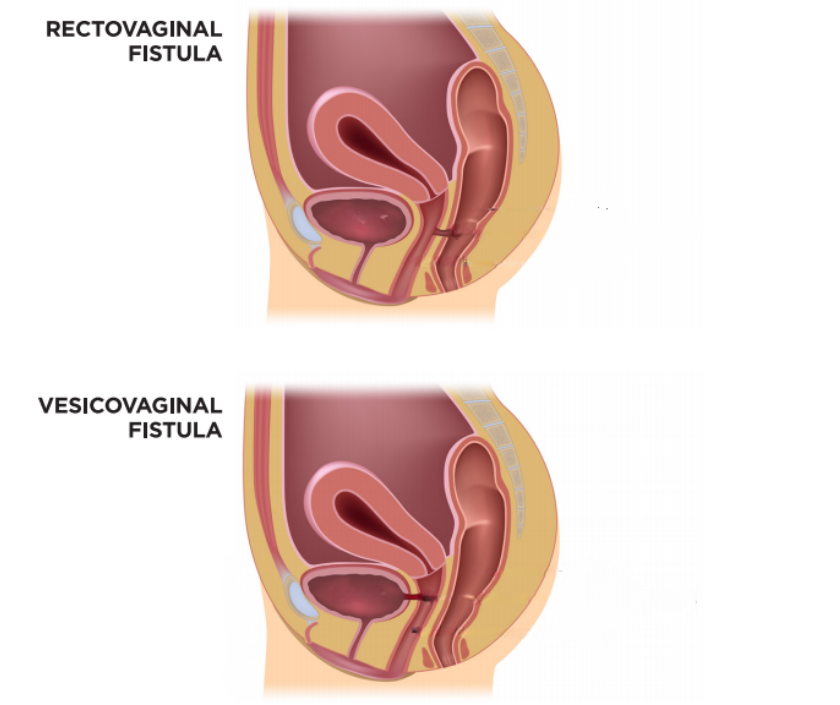
What is rectovaginal and vesicovaginal fistula repair?
Rectovaginal and Vesicovaginal Fistula Repair is surgery to close an abnormal opening between the vagina and a neighbouring organ. A rectovaginal fistula connects the vagina to the bowel, while a vesicovaginal fistula connects it to the bladder. Because these openings let stool, wind, or urine leak into the vagina, they cause hygiene problems and distress. The aim of repair is to close the track and restore normal function. This page explains the causes, options, and realistic outcomes.
What causes these fistulas?
Fistulas form when tissue between two organs breaks down and an opening develops. Common causes include difficult or prolonged childbirth, pelvic surgery, radiation for cancer, and inflammatory bowel disease. Sometimes infection or injury is responsible. Because the cause affects the plan and timing, it is identified carefully. Therefore honest assessment, without any blame, guides the safest approach.
Which symptoms suggest I have a fistula?
Typical symptoms include leaking of urine, stool, or wind through the vagina, which can be constant or intermittent. Often there is a bad smell, irritation, or repeated infections. Sometimes pain or discharge is present. Because these symptoms are upsetting and affect confidence, they deserve a gentle, private assessment. Therefore any suspected leak between organs should be raised early, so testing can begin.
How is a fistula diagnosed?
Diagnosis begins with a careful history and a gentle examination to find the opening. Because small tracks can be hard to see, dye tests, imaging, or a camera examination are often used. Sometimes the bladder or bowel is checked directly. Privacy is respected throughout, so you can speak openly. After the review, you receive a clear written estimate following examination and a plan for timing.
Why does timing of surgery matter?
Timing matters because tissues must be healthy and free of infection before repair. If a fistula is new or inflamed, waiting allows swelling and infection to settle first. Meanwhile, good nutrition and skin care protect the area. Because rushing a repair raises the risk of failure, patience often improves success. Therefore the team plans the operation for when your tissues are at their best.
How is the repair performed?
In a Rectovaginal and Vesicovaginal Fistula Repair, the surgeon removes the scarred track and closes the openings in careful layers. Often a piece of healthy tissue is placed between the organs to support healing and reduce recurrence. Access may be through the vagina or, for higher fistulas, through the abdomen. Because the work is delicate, it may involve colorectal or urogynaecology colleagues. Throughout, nearby structures are protected.
What anaesthesia and hospital stay are involved?
The repair is done under spinal or general anaesthesia, chosen with the anaesthetist. The hospital stay depends on the fistula and approach, from a few days to longer for complex cases. A urinary catheter is often kept in place to rest a bladder repair, or bowel rest is used for a bowel repair. Because early healing is crucial, aftercare is followed closely. Meanwhile, pain relief keeps you comfortable.
What are the real risks and complications?
This is complex surgery, so we name the real risks plainly.
- Bleeding, infection, or delayed healing
- Failure of the repair, with the fistula reopening
- Scar tissue and narrowing
- Bladder or bowel dysfunction
- Injury to nearby structures, which is uncommon
- The need for a further, sometimes staged, operation
Because scars are permanent and outcomes vary, we discuss each risk with you first. Recurrence is not a failure of effort and can be managed.
What results can I realistically expect?
Many fistulas close successfully, giving real relief and better hygiene. However, success is never guaranteed, because scarred or irradiated tissue can heal poorly. Because some fistulas reopen, a second repair is occasionally needed. Realistically, the goal is a closed, comfortable result, achieved in one or more steps. Therefore honest expectations are set together before you decide.
What does recovery look like?
Early recovery focuses on rest, wound care, and protecting the repair with a catheter or bowel rest. For several weeks, intercourse, heavy lifting, and straining are avoided so healing can settle. Meanwhile, fluids, fibre, and gentle walking support recovery. Return to normal routines is gradual and guided by your progress. Because everyone heals differently, the team reviews you closely early on.
Will this affect continence and intimacy?
A successful repair usually restores continence and makes intimacy comfortable again. However, some women have lingering bladder or bowel symptoms that need further care. Because nerves and tissue take time, sensation may change for a while. Honestly, we cannot promise a specific outcome, yet most women improve markedly. If needed, physiotherapy and specialist support help continence.
How do the two fistula types compare?
Both types are abnormal openings, but they involve different organs and symptoms. The table below compares them simply.
| Feature | Rectovaginal | Vesicovaginal |
|---|---|---|
| Connects to | Bowel | Bladder |
| Main leak | Stool or wind | Urine |
| Common aftercare | Bowel rest | Catheter drainage |
For related repairs, see our pages on obstetric anal sphincter repair and post cancer vaginal reconstruction.
How do I begin at Elegance Clinic?
Start with a private, unhurried consultation with Dr. Ashutosh Shah in Surat. During that meeting, he examines you, arranges the right tests, and explains the plan honestly. You also receive a clear written estimate after examination. To explore related care, visit our hub for Cosmetic Gynecology Surgery, then contact the clinic for a confidential appointment.
Note: This page is for general information and is not a substitute for a medical consultation. Gynaecological and reconstructive care is individual, carries real risks and sometimes needs more than one procedure. Dr. Ashutosh Shah and the team will advise honestly what is right for you.
Ready to Talk, Privately?
Book a confidential consultation with Dr. Ashutosh Shah. There is no pressure, only clear and honest guidance.