What is post cancer vaginal reconstruction?
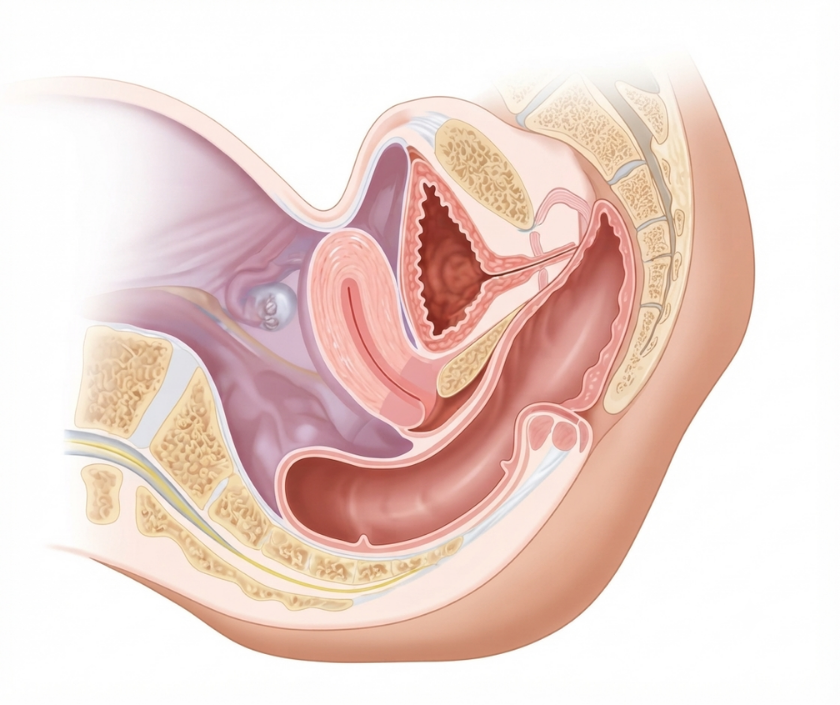
Post Cancer Vaginal Reconstruction is surgery to rebuild or restore the vagina after treatment for pelvic cancer. Cancer surgery or radiation can shorten, narrow, or remove part of the vagina, which affects comfort and intimacy. Because these changes can be distressing, reconstruction aims to restore function and confidence. It is planned carefully with your cancer team, once treatment allows. This page explains the timing, options, and realistic results with honesty.
Why is reconstruction sometimes needed after cancer?
Reconstruction may be needed because cancer treatment changes the vaginal tissue. Surgery to remove a tumour can take part of the vagina, while radiation can scar, narrow, and stiffen it. Sometimes both treatments are used, adding to the effect. Because these changes make intimacy or even examinations difficult, restoring the canal helps. Therefore reconstruction is offered as part of whole person recovery, not just cancer cure.
When is the right time for surgery?
Timing is important, and reconstruction is planned only when it is safe. Because tissues must recover from previous treatment, waiting is often wise, especially after radiation. Your cancer team's clearance comes first, confirming that treatment is complete and healing is settled. Sometimes reconstruction is done at the same time as cancer surgery, when suitable. Therefore the plan is always made jointly with your oncology team.
How does Dr. Ashutosh Shah assess me?
Assessment is thorough, because reconstruction after cancer is complex. A careful history, examination, and review of your treatment guide the plan. Because tissue quality affects which technique is safe, this is assessed closely, particularly after radiation. Your general health, goals, and support needs are also considered. Privacy is respected throughout, and you receive a clear written estimate following examination.
What reconstructive options are there?
Several techniques exist, and the right one depends on the defect and your tissue. These are the main options, chosen with you.
- Local tissue repair for smaller defects
- A skin graft to line a shortened or narrowed canal
- A flap of skin, or skin and muscle, from nearby to rebuild a canal
- Dilation based care where surgery is not the first choice
Because each option has trade offs, the team explains them honestly so you can choose with clear information.
How is post cancer vaginal reconstruction performed?
The surgery depends on the technique chosen for your situation. In Post Cancer Vaginal Reconstruction, the surgeon may use local tissue, a skin graft, or a flap of tissue from the thigh, abdomen, or buttock to line or rebuild the canal. After that, a soft mould supports the new space while it heals. Because these operations can be lengthy, they are carefully planned. Throughout, the surgeon protects nearby organs.
What anaesthesia and hospital stay are involved?
Reconstruction is done under general anaesthesia, chosen with the anaesthetist. Because flap surgery is major, the hospital stay is usually several days, sometimes longer. A soft mould or dilator often stays in place for a period to protect the canal. Because early aftercare is crucial, teaching begins before you go home. Meanwhile, pain relief and close monitoring support your recovery.
What are the real risks and complications?
This is complex surgery, especially after radiation, so we name the real risks plainly.
- Bleeding, infection, or delayed healing
- A graft or flap not taking fully
- Narrowing of the canal without dilation
- Scar tissue and altered sensation
- Wound problems at the donor site
- The need for a further, sometimes staged, operation
Because irradiated tissue heals less predictably, we set honest expectations. Complex cases may involve reconstructive and oncology colleagues together.
Why is dilation important afterwards?
Dilation matters because a reconstructed canal tends to narrow without gentle, regular stretching. This is especially true after radiation, which stiffens tissue. At first the routine is frequent, and then it eases to maintenance. Because a lubricant makes this comfortable, one is used each time. Although the routine sounds demanding, most women settle into it. In the long run, steady dilation protects the result.
What results can I realistically expect?
Many women regain a functional canal and more comfortable intimacy after healing. However, outcomes vary and depend heavily on previous treatment. Because irradiated tissue can heal slowly, results are less predictable and no exact measurement is promised. Realistically, the goal is restored function, comfort, and confidence, sometimes in more than one step. Therefore honest expectations are set together from the start.
How does this fit with my cancer follow up?
Reconstruction fits alongside, not instead of, your cancer follow up. Because ongoing cancer surveillance remains essential, it continues as your oncology team advises. Meanwhile, reconstruction reviews check healing, depth, and comfort. The two teams share information so your care is joined up. Therefore you are supported for both recovery and long term health at the same time.
How does it compare with dilation alone?
Dilation alone may maintain a shortened canal, while surgery rebuilds a canal that treatment has removed or severely narrowed. The table below compares the approaches simply.
| Feature | Dilation based care | Reconstructive surgery |
|---|---|---|
| Best for | Mild shortening or narrowing | Removed or severely scarred canal |
| Recovery | Gradual, at home | Weeks, with follow up |
| Ongoing dilation | Yes | Yes |
For related care, see our pages on vaginal stenosis correction and reconstruction after genital cutting.
How do I begin at Elegance Clinic?
Start with a private, unhurried consultation with Dr. Ashutosh Shah in Surat. During that meeting, he reviews your treatment, examines you, and works with your cancer team to plan the safest option. You also receive a clear written estimate after examination. To explore related care, visit our hub for Cosmetic Gynecology Surgery, then contact the clinic for a confidential appointment.
Note: This page is for general information and is not a substitute for a medical consultation. Gynaecological and reconstructive care is individual, carries real risks and sometimes needs more than one procedure. Dr. Ashutosh Shah and the team will advise honestly what is right for you.
Ready to Talk, Privately?
Book a confidential consultation with Dr. Ashutosh Shah. There is no pressure, only clear and honest guidance.