What is reconstruction after genital cutting?
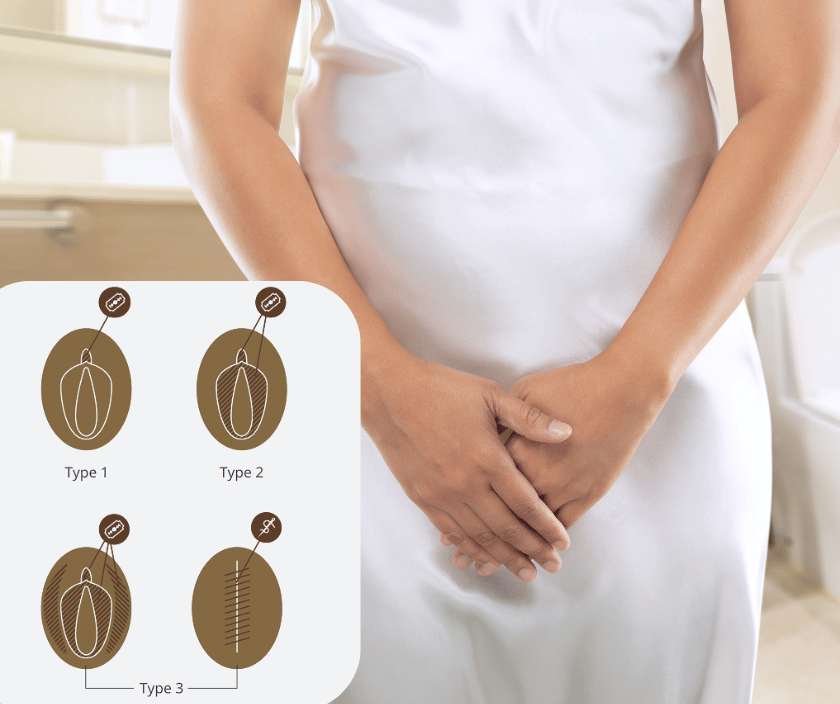
Reconstruction After Genital Cutting is respectful, individualised care for women who have experienced female genital cutting, often called FGM. Depending on your wishes, it may relieve symptoms, open a narrowed area, or restore anatomy and comfort. Because every woman's experience and goals are different, care is never one size fits all. Above all, your autonomy and wellbeing guide every decision. This page explains the options plainly and without judgement.
Is my care confidential and non judgemental?
Yes, your care is completely confidential and free of judgement, and this is stated from the very start. Because trust matters deeply here, your privacy is protected throughout. You are welcome to bring someone you trust, or to attend alone. Meanwhile, questions are answered honestly and gently. Therefore you can share as much or as little as you wish, at your own pace.
Which symptoms can this care address?
Care can address a range of physical and emotional concerns, depending on your situation. Common physical symptoms include a narrowed opening, difficulty passing urine, painful periods, discomfort during intimacy, and recurring infections. Meanwhile, some women seek help with scarring or the appearance of the area. Because emotional wellbeing matters too, counselling is offered alongside physical care. Therefore the plan reflects what matters most to you.
What are the main options?
Several options exist, and you are never pushed towards any of them. These are the main approaches, chosen with you.
- Deinfibulation, which opens a narrowed or closed area to ease urination, periods, and intimacy
- Release of scar tissue to reduce pain and improve comfort
- Clitoral and vulval reconstruction, where appropriate, to restore anatomy
- Non surgical support, including counselling and physiotherapy
Because your goals lead, some women choose one step, others choose more, and some choose none.
How does deinfibulation help?
Deinfibulation gently opens an area that was narrowed or closed, which many women find greatly eases daily life. Because it can improve passing urine, menstrual flow, and comfort during intimacy, it is often the first step considered. It is usually a smaller procedure than full reconstruction. Meanwhile, it can be done before childbirth when helpful. Therefore it is discussed carefully as part of your options.
How is reconstruction performed?
When reconstruction is chosen, the surgery is tailored to your anatomy and goals. In Reconstruction After Genital Cutting, scar tissue may be released, and where suitable, clitoral tissue beneath the surface is brought forward and reshaped. The labia may also be restored. Because techniques vary and evidence continues to develop, honest discussion of what is realistic comes first. Throughout, the surgeon works gently to protect sensitive tissue.
What anaesthesia and setting are used?
The type of anaesthesia depends on the procedure and is chosen with the anaesthetist for your comfort. Smaller procedures such as deinfibulation may be day care, while reconstruction may need a short stay. Because privacy is respected, arrangements are made discreetly. Meanwhile, pain relief and clear aftercare are provided. Therefore the practical side is handled sensitively and calmly.
What are the real risks and limitations?
This is reconstructive care, so we are honest about risks and limitations.
- Bleeding, infection, or delayed healing
- Scarring, which is permanent where it forms
- Changes in sensation, which may improve or vary
- Results that may not fully match expectations
- The possible need for more than one procedure
Because sensation and appearance cannot be guaranteed, we set honest expectations. Realistic, respectful discussion always comes before any decision.
Will sensation and comfort improve?
Many women report improved comfort, easier daily life, and, for some, better sensation over time. However, outcomes vary between people, and change can take months. Because nerves and tissue heal slowly, patience is often rewarded. Honestly, we cannot promise a specific level of sensation or a perfect appearance. Therefore the aim is meaningful improvement and your own sense of wholeness, defined by you.
What emotional support is available?
Emotional support is a central part of this care, not an afterthought. Because experiences of cutting can carry difficult feelings, confidential counselling is offered throughout. You can access support before deciding, during treatment, and afterwards. Meanwhile, some women find that talking helps as much as surgery. Therefore your emotional wellbeing is cared for alongside your physical health, always at your pace.
What does recovery look like?
Recovery depends on the procedure, and the team guides you at each step. After smaller procedures, healing is often quick, within a couple of weeks. After reconstruction, gentle care continues for several weeks, and intimacy is paused while tissue heals. Meanwhile, warm water hygiene and rest support recovery. Because everyone heals differently, reviews check progress and answer questions calmly.
How do surgical and non surgical options compare?
Both surgical and non surgical paths are valid, and the choice is entirely yours. The table below compares them simply.
| Feature | Surgical options | Non surgical support |
|---|---|---|
| Aim | Open, release, or restore | Comfort and wellbeing |
| Includes | Deinfibulation, reconstruction | Counselling, physiotherapy |
| Recovery | Weeks | Ongoing, gentle |
For related care, see our pages on vaginal introitus correction and symptomatic clitoral adhesions treatment.
How do I begin at Elegance Clinic?
Start with a private, unhurried, and confidential consultation with Dr. Ashutosh Shah in Surat. During that meeting, he listens to your history and goals, explains the options honestly, and never pressures you. You also receive a clear written estimate after examination. To explore related care, visit our hub for Cosmetic Gynecology Surgery, then contact the clinic for a confidential appointment.
Note: This page is for general information and is not a substitute for a medical consultation. Gynaecological and reconstructive care is individual, carries real risks and sometimes needs more than one procedure. Dr. Ashutosh Shah and the team will advise honestly what is right for you.
Ready to Talk, Privately?
Book a confidential consultation with Dr. Ashutosh Shah. There is no pressure, only clear and honest guidance.