What is symptomatic clitoral adhesions treatment?
Symptomatic Clitoral Adhesions Treatment gently releases tissue when the clitoris has become stuck to the hood that covers it. Adhesions are bands where these surfaces adhere, sometimes trapping natural debris beneath. Because many adhesions cause no trouble at all, treatment is offered only when they cause symptoms. When they do cause pain or reduced sensation, careful release can help. This page explains the condition, the options, and realistic outcomes.
What are clitoral adhesions?
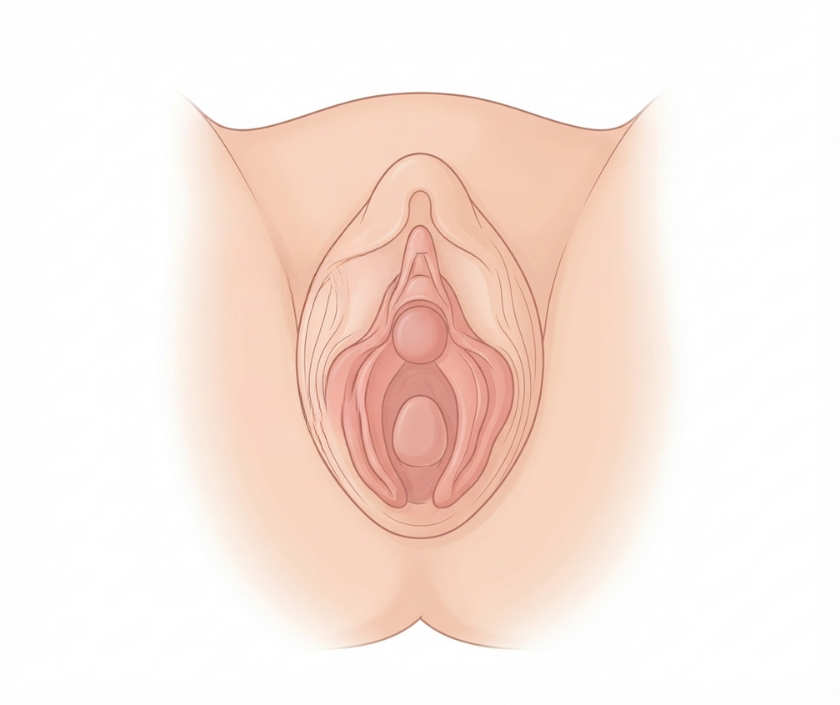
Clitoral adhesions are areas where the clitoral hood sticks to the clitoris underneath. Normally the hood moves freely over the clitoris. When the surfaces adhere, a pocket can form where skin cells and oils collect. Sometimes these form small firm collections called keratin pearls. Because the process is gradual, many women do not notice it. Therefore adhesions are common and often harmless.
What causes them to form?
Adhesions form when the delicate skin of the hood and clitoris becomes irritated or inflamed and then heals stuck together. Common contributors include skin conditions such as lichen sclerosus, low oestrogen, recurrent irritation, and previous trauma or surgery. Sometimes no clear cause is found. Because an underlying skin condition can drive them, identifying it matters. Therefore assessment looks beyond the adhesion itself.
Which symptoms suggest treatment is needed?
Treatment is considered only when adhesions cause real symptoms. These include pain or tenderness at the clitoris, a gritty feeling, or trapped debris that becomes sore. Often there is discomfort with touch or intimacy, and sometimes reduced sensation. Because these symptoms have several possible causes, a gentle assessment is important. Therefore we treat symptomatic adhesions, not simply their appearance.
Are there non surgical options first?
Yes, conservative care is usually tried first, in line with careful practice. Treating any underlying skin condition can soften and prevent adhesions. Meanwhile, topical oestrogen or steroid cream, when prescribed, may help the tissue and reduce sticking. Gentle skin care and, sometimes, careful home retraction are advised. Because many mild cases improve this way, a small procedure is reserved for troublesome adhesions.
How does Dr. Ashutosh Shah assess me?
Assessment begins with a gentle history and a careful, respectful examination. Because clitoral pain has several causes, this step avoids treating the wrong problem. Sometimes a skin condition is found that needs medical care first. Privacy is respected throughout, so you can speak openly about intimate symptoms. After the review, you receive a clear written estimate following examination.
How is the release performed?
The procedure is small and usually gentle. In Symptomatic Clitoral Adhesions Treatment, the area is first numbed, and then the surgeon carefully separates the stuck surfaces. Any trapped debris or keratin pearls are removed at the same time. After that, the area is left to heal, and barrier ointment helps reduce resticking. Because the tissue is delicate and sensation matters, the surgeon works precisely and gently.
What anaesthesia and setting are used?
Many releases can be done with local anaesthesia in a clinic setting. For more extensive adhesions, or if you prefer, sedation or a short general anaesthetic may be used, chosen with the anaesthetist. Most cases are day care, so you go home the same day. Because comfort matters, pain relief and clear aftercare are provided. Meanwhile, gentle hygiene supports healing.
What are the real risks and complications?
This is a minor procedure, yet honest risks exist and we name them plainly.
- Minor bleeding, bruising, or infection
- Resticking of the adhesions over time
- Temporary tenderness or altered sensation
- Scarring, which is permanent where it forms
- Symptoms not fully resolving
Because adhesions can reform, we set honest expectations. Treating any underlying skin condition improves the chance of a lasting result.
Could the adhesions come back?
Resticking is possible, because the surfaces can adhere again while they heal. This is more likely if an underlying skin condition is not controlled. Therefore barrier ointment, good skin care, and sometimes gentle home retraction are advised afterwards. Because catching resticking early makes it easier to manage, a review checks progress. Meanwhile, treating the root cause protects the result.
What results can I realistically expect?
Many women feel real relief from pain and the gritty sensation after healing. Some notice improved comfort with touch, though sensation changes vary between people. However, we cannot promise a specific result, and adhesions can reform. Realistically, the goal is comfort and easier daily life, supported by ongoing skin care. Therefore honest expectations are set together before you decide.
How does this compare with leaving them alone?
Leaving harmless adhesions alone is perfectly reasonable, while treatment suits those causing symptoms. The table below compares the two simply.
| Feature | Leaving alone | Release treatment |
|---|---|---|
| Best for | No symptoms | Pain or trapped debris |
| Main aim | Reassurance | Relief of symptoms |
| Aftercare | Skin care | Barrier care and skin care |
For related care, see our pages on vulval biopsy of suspicious lesions and vaginal introitus correction.
How do I begin at Elegance Clinic?
Start with a private, unhurried consultation with Dr. Ashutosh Shah in Surat. During that meeting, he examines gently, explains whether your adhesions need treatment, and recommends the kindest effective option. You also receive a clear written estimate after examination. To explore related care, visit our hub for Cosmetic Gynecology Surgery, then contact the clinic for a confidential appointment.
Note: This page is for general information and is not a substitute for a medical consultation. Gynaecological and reconstructive care is individual, carries real risks and sometimes needs more than one procedure. Dr. Ashutosh Shah and the team will advise honestly what is right for you.
Ready to Talk, Privately?
Book a confidential consultation with Dr. Ashutosh Shah. There is no pressure, only clear and honest guidance.