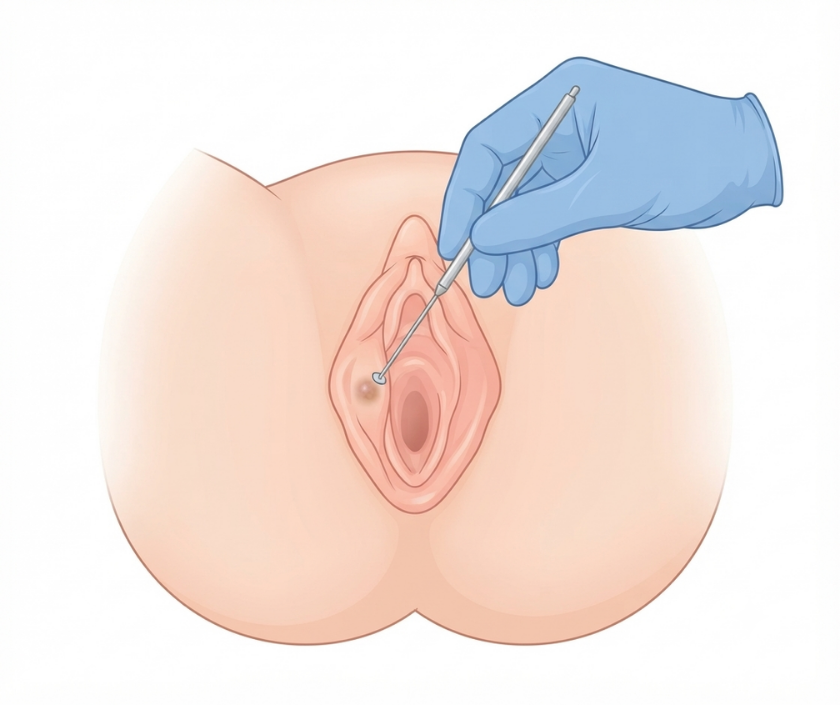
What is a vulval biopsy of suspicious lesions?
Vulval Biopsy of Suspicious Lesions is a small test that removes a piece of skin from an unusual area on the vulva. The sample is then examined under a microscope to find the exact cause. Because many vulval changes look similar to the eye, a biopsy gives a clear, reliable diagnosis. It is usually quick, done with local anaesthesia, and stigma free. This page explains why it is done and what to expect.
Why might I need a vulval biopsy?
A biopsy is advised when a lump, ulcer, patch, or colour change does not have an obvious cause. Because some skin conditions and, rarely, early cancers can look alike, sampling settles the question. It is also used when a treatment has not worked as expected. Sometimes it confirms a long term skin condition so the right care can start. Therefore a biopsy protects your health by removing uncertainty.
Which vulval changes should be checked?
Several changes deserve a gentle, private assessment rather than waiting. These include a new lump, a sore or ulcer that does not heal, and a thickened or discoloured patch. Meanwhile, persistent itching, bleeding, or a mole that alters warrants review. Because most such changes turn out to be harmless, checking brings reassurance more often than not. Therefore any lasting change is worth showing to a doctor.
How should I prepare for the biopsy?
Preparation is simple, and most women need very little. Because certain blood thinning medicines increase bleeding, these are reviewed beforehand. You can usually eat and drink normally, since only local anaesthesia is used. It also helps to wear comfortable clothing on the day. Before the sample is taken, the reason and the plan are explained clearly, and your consent is taken.
How is the biopsy performed?
The area is first numbed with local anaesthetic, so the test is comfortable. Next, a small sample is taken using a punch tool or a small blade, and only the needed amount of skin is removed. After that, one or two dissolving stitches may close the site, or a simple dressing is applied. Because a Vulval Biopsy of Suspicious Lesions is small, it usually takes only a few minutes. The sample then goes to the laboratory.
Does the biopsy hurt?
The numbing injection causes a brief sting, and after that the area feels numb. Because the anaesthetic works quickly, most women feel only pressure during the sample. Afterwards, mild soreness is common as the numbness wears off, and simple pain relief helps. Meanwhile, the discomfort usually settles within a day or two. Therefore most women find the test far easier than they expected.
What are the risks of a vulval biopsy?
This is a minor test, yet honest risks exist and we name them plainly.
- Minor bleeding or bruising
- Infection at the site, which is uncommon
- Mild soreness during healing
- A small scar or slight change in appearance
- Rarely, the need for a repeat sample
Because complications are few and usually minor, the test is generally very safe. Clear aftercare instructions reduce the small risks further.
How do I care for the site afterwards?
Aftercare is straightforward and centres on gentle hygiene. Keeping the area clean and dry helps healing, and warm water is used for washing. Meanwhile, loose cotton underwear reduces rubbing. Because stitches dissolve on their own, they do not need removing. Intercourse and swimming are usually paused for a short time. Therefore most women continue daily life with only minor adjustments.
When will I get the results?
Results usually take several days, because the sample is carefully examined in the laboratory. A review is then arranged to discuss the findings clearly and calmly. Because waiting can feel anxious, we explain the likely timeline in advance. Once the report is ready, a plan is made together, whether that means reassurance, treatment, or further steps. Therefore you are never left without guidance.
What might the results mean?
Most biopsies show a benign, treatable condition, which brings reassurance. Sometimes the result confirms a long term skin condition, so tailored care can begin. Occasionally it detects a precancerous change or, rarely, an early cancer, when prompt treatment matters most. Because the meaning varies, the findings are always explained in plain language. Therefore you understand exactly what the result means for you.
How does a biopsy compare with just watching?
Watching may suit an obviously harmless spot, while a biopsy is chosen when the cause is unclear. The table below compares the two approaches simply.
| Feature | Watching | Biopsy |
|---|---|---|
| Best for | Clearly harmless changes | Uncertain or persistent lesions |
| Certainty | Limited | High |
| Guides treatment | Sometimes | Yes |
For related concerns, see our pages on Bartholin cyst and abscess treatment and symptomatic clitoral adhesions treatment.
How do I begin at Elegance Clinic?
Start with a private, unhurried consultation with Dr. Ashutosh Shah in Surat. During that meeting, he examines the area, explains whether a biopsy is needed, and takes your consent gently. You also receive a clear written estimate after examination. To explore related care, visit our hub for Cosmetic Gynecology Surgery, then contact the clinic for a confidential appointment.
Note: This page is for general information and is not a substitute for a medical consultation. Gynaecological and reconstructive care is individual, carries real risks and sometimes needs more than one procedure. Dr. Ashutosh Shah and the team will advise honestly what is right for you.
Ready to Talk, Privately?
Book a confidential consultation with Dr. Ashutosh Shah. There is no pressure, only clear and honest guidance.