What is bartholin cyst and abscess treatment?
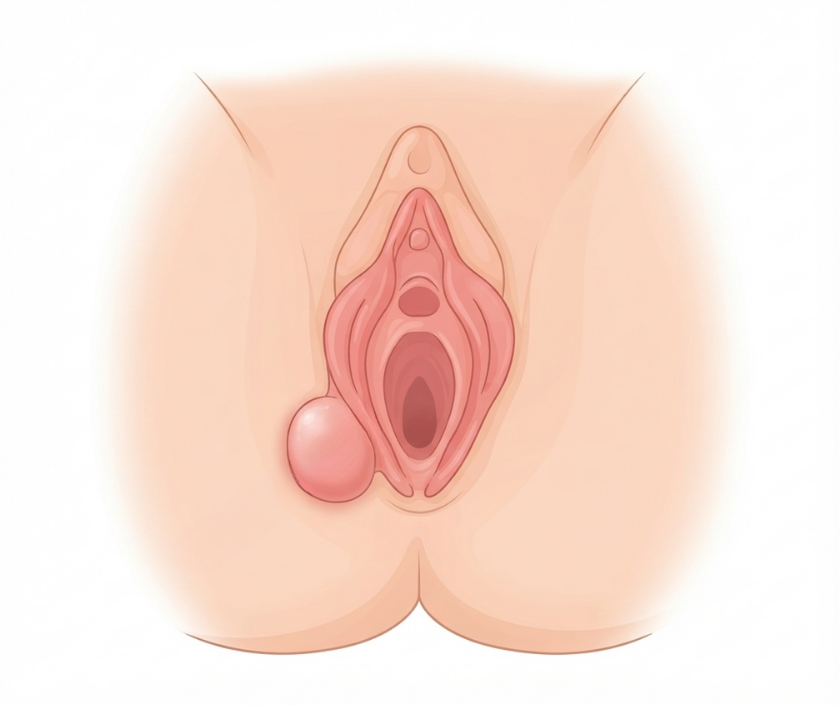
Bartholin Cyst and Abscess Treatment relieves a swelling of the small gland near the opening of the vagina. The Bartholin glands make fluid that keeps the area moist, and each has a tiny duct. When a duct blocks, fluid builds up and forms a cyst, which may become infected and turn into a painful abscess. Because comfort and drainage matter, treatment ranges from simple measures to a small operation. This page explains the choices calmly.
What causes a Bartholin cyst or abscess?
A cyst forms when the gland duct becomes blocked and fluid cannot escape. Sometimes the trapped fluid becomes infected, and then an abscess develops with pain and swelling. Because a mix of skin bacteria is usually involved, this is not a sign of poor hygiene. Occasionally a sexually transmitted infection contributes, so testing may be offered without judgement. Therefore assessment focuses on care, not blame.
Which symptoms should I look out for?
A small cyst may cause no symptoms and is found by chance. As it grows, you may feel a soft lump on one side of the vaginal opening. When infection sets in, the area becomes red, hot, and very tender, and walking or sitting can hurt. Sometimes a fever develops. Because a painful abscess needs prompt drainage, early assessment brings quicker relief.
Are there simple options before surgery?
Yes, a small, painless cyst often needs no treatment at all, only reassurance. Warm baths, called sitz baths, can ease discomfort and sometimes help a cyst drain on its own. Meanwhile, simple pain relief helps you stay comfortable. When infection is present, antibiotics may be prescribed after examination. Because many cysts settle with these measures, surgery is reserved for large, painful, or repeated swellings.
How is a Bartholin abscess drained?
When drainage is needed, a small cut is made to release the trapped fluid and relieve pressure. In many cases, a tiny balloon catheter is placed and left for some weeks, so a new drainage channel forms as it heals. Because simple incision alone often lets the cyst return, this technique lowers the chance of recurrence. After that, warm baths and gentle hygiene support healing. Throughout, comfort is a priority.
What is marsupialisation?
Marsupialisation is a small operation that creates a lasting opening for the gland to drain. The surgeon opens the cyst and stitches its edges to the surrounding skin, so a permanent channel stays open. Because this keeps the duct from blocking again, it reduces the chance of another cyst. As part of Bartholin Cyst and Abscess Treatment, it is often chosen for repeated or troublesome cysts. Healing usually takes a few weeks.
What anaesthesia and setting are used?
Simple drainage can often be done with local anaesthesia in a clinic setting. Marsupialisation or gland removal is usually done under spinal or general anaesthesia, chosen with the anaesthetist. Most procedures are day care, so you go home the same day. Because comfort matters, pain relief and clear aftercare are provided. Meanwhile, warm baths help soothe the area during healing.
What are the real risks and complications?
These are generally minor procedures, yet honest risks exist and we name them plainly.
- Bleeding, bruising, or infection
- Recurrence of the cyst or abscess
- Scarring or a small change in appearance
- Discomfort during healing
- Rarely, injury to nearby tissue
Because a cyst can return even after good treatment, we set honest expectations. In older women or with unusual features, a biopsy is taken to exclude other causes.
Could it come back after treatment?
Recurrence is possible, because the gland can block again even after drainage. Simple incision has the highest chance of return, while marsupialisation and catheter drainage lower it. Because a repeatedly troublesome gland may need removal, that option is discussed for stubborn cases. Meanwhile, warm baths and prompt care help at the first sign. Therefore reporting a new swelling early makes treatment simpler.
When is a biopsy needed?
A biopsy is advised when a swelling looks unusual or occurs after menopause. Because a small number of masses in this area are not simple cysts, sampling tissue makes the diagnosis clear. This is a straightforward, stigma free step that protects your health. If everything is benign, it offers reassurance. Therefore we never ignore an atypical lump, and testing is offered kindly.
What does recovery look like?
Recovery is usually quick, with most women back to light routines within a few days. Warm baths several times a day soothe the area and support drainage. Meanwhile, gentle hygiene and loose clothing keep you comfortable. Intercourse is paused until healing is complete, often a few weeks. Because everyone heals differently, the team advises when normal activity is safe.
How do the options compare?
The best option depends on whether the swelling is a cyst or abscess and how often it returns. The table below compares the common choices simply.
| Option | Best for | Recurrence chance |
|---|---|---|
| Sitz baths | Small, painless cyst | Variable |
| Catheter drainage | Abscess or larger cyst | Lower |
| Marsupialisation | Repeated cysts | Low |
For other vulval concerns, see our pages on vulval biopsy of suspicious lesions and bacterial vaginosis and vaginal discharge.
How do I begin at Elegance Clinic?
Start with a private, unhurried consultation with Dr. Ashutosh Shah in Surat. During that meeting, he examines you, explains the diagnosis, and recommends the gentlest effective option. You also receive a clear written estimate after examination. To explore related care, visit our hub for Cosmetic Gynecology Surgery, then contact the clinic for a confidential appointment.
Note: This page is for general information and is not a substitute for a medical consultation. Gynaecological and reconstructive care is individual, carries real risks and sometimes needs more than one procedure. Dr. Ashutosh Shah and the team will advise honestly what is right for you.
Ready to Talk, Privately?
Book a confidential consultation with Dr. Ashutosh Shah. There is no pressure, only clear and honest guidance.