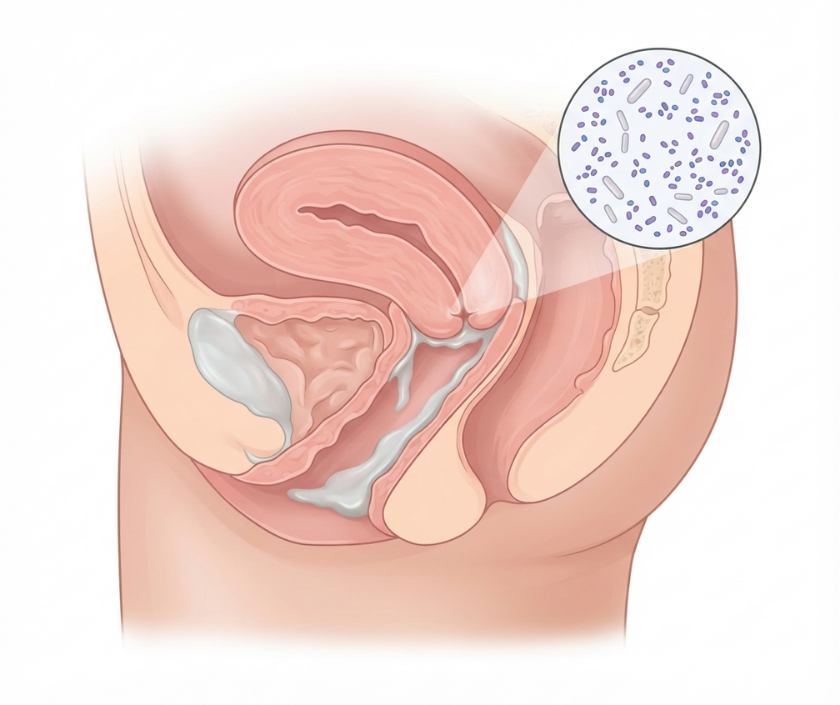
What is bacterial vaginosis and vaginal discharge care?
Bacterial Vaginosis and Vaginal Discharge care treats a common change in the natural balance of bacteria in the vagina. The vagina normally holds protective bacteria, and when these reduce, other bacteria increase. This shift can cause a thin, greyish discharge and a noticeable odour. Because many conditions can change discharge, accurate diagnosis matters before treatment. This page explains the causes, testing, and treatment in a calm, stigma free way.
What causes bacterial vaginosis?
Bacterial vaginosis develops when the protective bacteria in the vagina fall and other bacteria take over. This is not caused by poor hygiene, and it is not the same as a sexually transmitted infection. Things that upset the balance include douching, scented washes, and hormonal change. Sometimes no clear trigger is found. Because it reflects a natural balance shifting, it is treated without any judgement.
Which symptoms are typical?
The classic symptom is a thin, greyish discharge with a fishy odour, often stronger after intercourse. Many women, however, have no symptoms at all. Because bacterial vaginosis usually does not cause itching or soreness, marked irritation may point to another cause. Sometimes there is mild discomfort. Therefore any new or persistent change in discharge deserves a gentle, private assessment rather than guesswork.
How is the diagnosis made?
Diagnosis begins with a confidential history and a gentle examination. Because different infections need different treatment, a swab or a simple bedside test is usually taken. This checks the balance of bacteria and rules out other causes such as thrush or a sexually transmitted infection. Privacy is respected throughout. After the review, treatment is tailored to what the tests show, not assumed.
What other causes of discharge are there?
Many conditions can change vaginal discharge, so we consider them carefully. Thrush, a yeast infection, causes itching and a thick white discharge. Meanwhile, sexually transmitted infections such as chlamydia or trichomonas need specific tests and treatment. Sometimes a retained tampon or a skin condition is responsible. Because the right treatment depends on the cause, testing prevents unnecessary or wrong medication.
How is bacterial vaginosis treated?
Treatment is with prescribed antibiotics, given by mouth or used inside the vagina, as directed after examination. Because the correct choice and course depend on your situation, medication is always prescribed rather than guessed, and we do not list doses here. As part of Bacterial Vaginosis and Vaginal Discharge care, gentle advice helps the natural balance recover. Symptoms usually settle within a few days of starting treatment. If they do not, a review is arranged.
Can I treat it without antibiotics?
Mild cases sometimes settle on their own, and simple measures support recovery. Avoiding douching, scented soaps, and harsh washes helps the natural balance return. Meanwhile, using plain water for washing is gentler on the area. However, over the counter remedies do not suit everyone, and the wrong product can worsen symptoms. Because accurate diagnosis guides safe care, a check is wise before self treating.
Is it a sexually transmitted infection?
No, bacterial vaginosis is not classed as a sexually transmitted infection, and it is not passed on like one. However, it is more common in people who are sexually active, and testing for other infections is often sensibly offered. Because partners usually do not need treatment for bacterial vaginosis, routine partner treatment is not standard. Therefore we explain clearly what does and does not require attention.
Why does it sometimes return?
Recurrence is common, because the natural balance can shift again after treatment. Some women have repeated episodes despite doing everything right. Because this is frustrating rather than a sign of harm, a longer or repeated course is sometimes advised. Meanwhile, avoiding triggers like douching reduces the chance of return. Therefore ongoing gentle care, not blame, is the sensible approach.
Does it matter in pregnancy?
Bacterial vaginosis can matter more in pregnancy, so it is assessed with extra care. Because it has been linked with some pregnancy complications, testing and treatment are offered when symptoms occur. Medication is chosen to be safe in pregnancy and is always prescribed by a doctor. Therefore any new discharge in pregnancy should be checked promptly. Reassurance and careful follow up are provided throughout.
What results can I realistically expect?
Most women feel clear improvement within a few days of starting treatment, with odour and discharge settling. However, no treatment guarantees the balance will stay stable, and recurrence is common. Because triggers vary, gentle care helps maintain the result. Realistically, the goal is comfort and control of symptoms rather than a permanent cure. Therefore honest expectations are set from the start.
How does bacterial vaginosis compare with thrush?
Both cause abnormal discharge, but they differ in symptoms and treatment. The table below compares them simply, though only testing confirms which you have.
| Feature | Bacterial vaginosis | Thrush |
|---|---|---|
| Discharge | Thin, greyish | Thick, white |
| Odour | Fishy | Usually none |
| Itching | Uncommon | Common |
For related concerns, see our pages on vulval biopsy of suspicious lesions and Bartholin cyst and abscess treatment.
How do I begin at Elegance Clinic?
Start with a private, unhurried consultation with Dr. Ashutosh Shah in Surat. During that meeting, he takes a confidential history, examines you gently, and arranges the right tests before any treatment. You also receive a clear written estimate after examination. To explore related care, visit our hub for Cosmetic Gynecology Surgery, then contact the clinic for a confidential appointment.
Note: This page is for general information and is not a substitute for a medical consultation. Gynaecological and reconstructive care is individual, carries real risks and sometimes needs more than one procedure. Dr. Ashutosh Shah and the team will advise honestly what is right for you.
Ready to Talk, Privately?
Book a confidential consultation with Dr. Ashutosh Shah. There is no pressure, only clear and honest guidance.