
Vulvodynia: Persistent Vulvar Pain Without an Obvious Infection
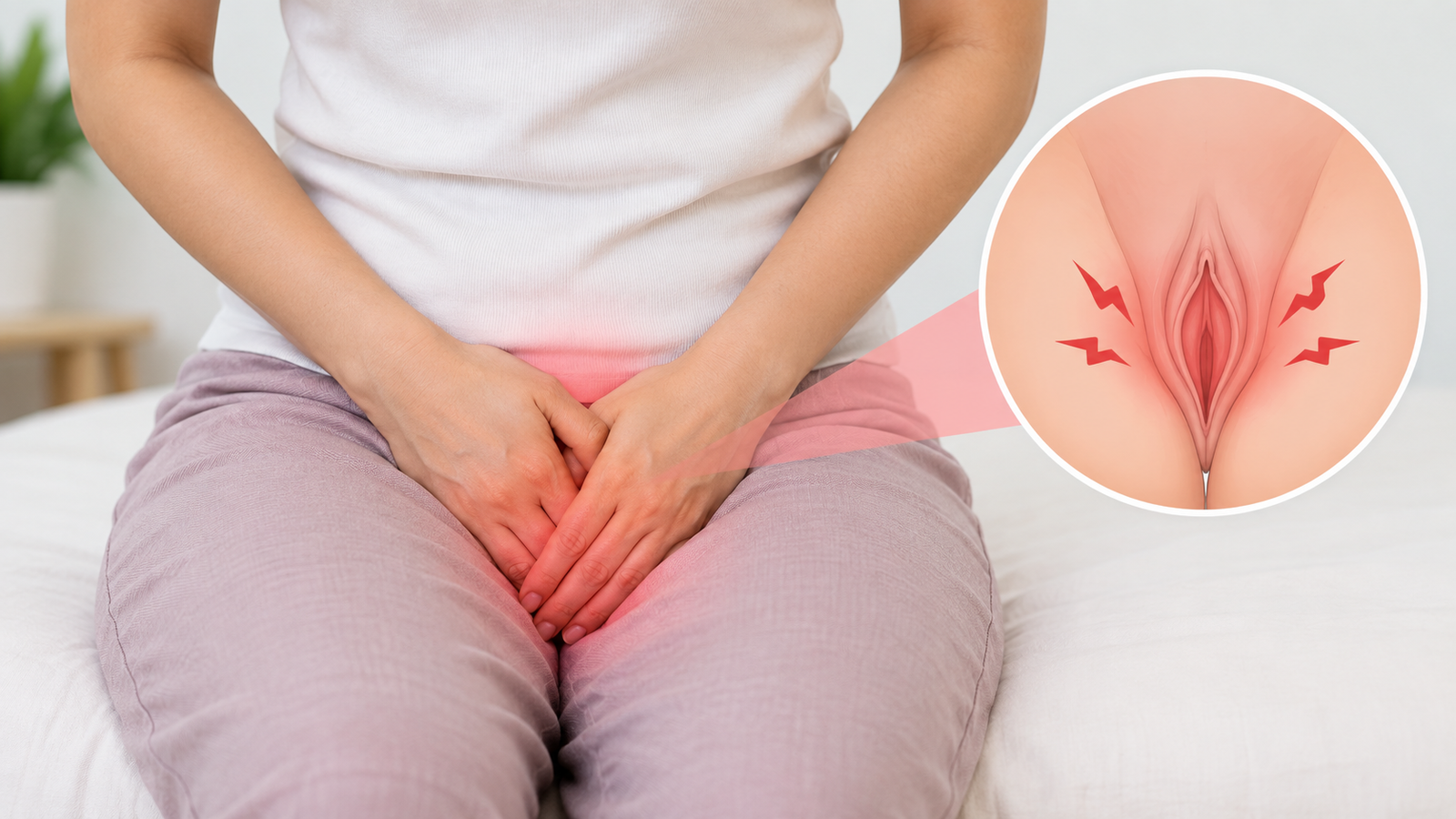
Vulvodynia is persistent vulvar pain lasting three months or more without a clearly identifiable cause such as an active infection or specific skin disease. Effective vulvodynia treatment begins by identifying where the pain occurs, what triggers it and whether pelvic floor muscles contribute. Treatment may combine local care, medicines, pelvic floor physiotherapy and other measures according to the individual pain pattern.
Vulvodynia is persistent vulvar pain lasting three months or more without a clearly identifiable cause such as an active infection or specific skin disease. Effective vulvodynia treatment begins by identifying where the pain occurs, what triggers it and whether pelvic floor muscles contribute. Treatment may combine local care, medicines, pelvic floor physiotherapy, and other measures according to the individual pain pattern.
For many patients, the most confusing part is having burning, stinging, or tenderness even though repeated swabs or routine tests are normal. This does not mean the symptoms are imaginary. It means the evaluation needs to look beyond infection.
What Is Vulvodynia, and How Is It Distinguished From Infection?
Vulvodynia describes chronic pain affecting the vulva when another identifiable condition does not adequately explain the symptoms.
The discomfort may be described as
- Burning
- Stinging
- Rawness
- Soreness
- Irritation
- Tenderness
- Sharp pain
- Pain with touch or pressure
Some people experience discomfort throughout much of the day, while others mainly develop symptoms after a specific trigger.
What Is Provoked Vestibulodynia?
Provoked vestibulodynia refers to pain around the vulvar vestibule, usually triggered by touch or pressure.
For example, discomfort may occur with intercourse, insertion of a tampon, tight clothing or examination.
Other patients experience unprovoked pain without an obvious physical trigger, while some have a combination of both patterns.
Why Can It Feel Like an Infection?
Burning and irritation are symptoms that can also occur with vaginal or vulvar infections.
That is why many patients initially assume they have thrush or another infection.
However, when symptoms repeatedly return despite appropriate treatment and tests do not identify an infection, the diagnosis needs to be reconsidered.
How Is Vulvodynia Different From an Infection?
An infection generally has an identifiable infectious cause that can be investigated and treated appropriately.
Vulvodynia is considered after evaluation has not identified another condition that sufficiently explains the persistent pain.
The assessment may therefore consider:
- Infection
- Vulvar skin conditions
- Hormonal factors
- Irritation or contact reactions
- Neurological causes
- Pelvic floor dysfunction
- Previous injury or procedures
- Other causes of persistent vulvar pain
The objective is not simply to label unexplained pain as vulvodynia. Other relevant causes should first be considered and addressed.
If pain occurs particularly during intimacy, see discomfort during intimacy.
Which Examination Steps Map Where the Pain Actually Sits?
A useful assessment does more than ask, "Does it hurt?"
The clinician needs to understand exactly where the pain occurs, what triggers it and what the surrounding tissues are doing.
This information can influence the choice of vulvodynia treatment.
Step 1: Detailed Pain History
The consultation may explore:
- When symptoms began
- Exact pain location
- Whether pain is superficial or feels deeper
- Whether it is constant or intermittent
- Activities that trigger symptoms
- Whether touch causes pain
- Previous infections
- Treatments already attempted
- Response to previous treatments
- Menstrual or hormonal associations
- Pain during intercourse
- Urinary or bowel symptoms
A clear history can reveal patterns that a single laboratory test cannot.
Step 2: Visual Examination
The clinician may inspect the vulvar skin for visible changes that could suggest another diagnosis.
The purpose is to look for causes such as inflammation, lesions, skin disorders, trauma or other abnormalities.
A normal-looking vulva does not automatically mean there is no genuine pain.
Step 3: Pain Mapping
Gentle examination can help determine exactly where touch produces discomfort.
A clinician may systematically assess different points around the vulva and vaginal opening and ask the patient to describe the intensity and character of the sensation.
This can help distinguish more localised pain from a broader pain pattern.
Step 4: Pelvic Floor Assessment
Some people with vulvodynia have increased pelvic floor muscle tension or tenderness.
Muscles may tighten in response to anticipated pain. Over time, this guarding can itself contribute to discomfort.
When appropriate and tolerated, pelvic floor assessment can therefore be an important part of evaluation.
Vulvodynia Assessment Checklist
| Assessment Point | What Should Be Recorded |
|---|---|
| Pain location | Vestibule, one side, general vulvar area, deeper pelvic region or multiple sites |
| Trigger | Touch, intercourse, insertion, sitting, exercise, clothing or no obvious trigger |
| Duration | When symptoms started, frequency and whether pain is constant or intermittent |
| Prior treatments tried | Antifungals, antibiotics, topical products, pain medicines, physiotherapy or other treatments |
| Examination findings | Skin appearance, areas of tenderness, pain mapping and pelvic floor findings when assessed |
| Next step | Further investigation, local care, medication, physiotherapy, follow-up or specialist referral |
Recording the same features at follow-up can help determine whether treatment is improving the actual pain pattern.
Why Does Repeated Antifungal Treatment Often Not Help?
A common history among patients with persistent vulvar burning is repeated treatment for presumed fungal infection.
Antifungal medication is appropriate when a fungal infection is actually present and treatment is indicated.
But pain without infection requires a different approach.
Similar Symptoms Do Not Mean the Same Diagnosis
Thrush and vulvodynia can both cause symptoms described as burning, irritation or soreness.
The underlying problems, however, are different.
If repeated testing does not support fungal infection, continually treating the symptoms as thrush may not address the real source of pain.
Unnecessary Products May Further Irritate Sensitive Skin
Repeated use of multiple creams, washes, fragrances or self-treatment products may irritate sensitive vulvar tissue in some people.
This can make an already painful area more uncomfortable.
A careful review of everything being applied to the vulva can therefore be useful.
Negative Swabs Are Useful Information
Repeated negative swabs do not prove vulvodynia by themselves.
However, they are important information when considered alongside symptoms, examination and the exclusion of other possible causes.
Instead of repeatedly asking, "Which infection is being missed?" the assessment may need to ask, "Could this pain be coming from another mechanism?"
Which Treatment Options Exist, From Topical to Pelvic Floor Therapy?
There is no single vulvodynia treatment that works for every patient.
Management is usually individualised according to the location of pain, triggers, pelvic floor findings, previous treatment response and other contributing factors.
Treatment may involve more than one approach.
Vulvar Skin Care
Reducing unnecessary irritation can be an important starting point.
Depending on individual circumstances, advice may include avoiding products that trigger irritation and using gentle vulvar care.
The goal is to minimise additional irritation while other causes of pain are addressed.
Topical Treatment
Selected topical treatments may be considered in certain patients depending on the type and location of pain.
The specific treatment should be chosen after assessment rather than trying multiple over-the-counter products without a diagnosis.
Medicines for Persistent Pain
When the pain has neuropathic characteristics, clinicians may consider medicines used in chronic or neuropathic pain management.
These medications are not being prescribed because the pain is psychological.
They may be used because persistent pain can involve altered signalling within the nervous system.
Choice of medication depends on the individual, other health conditions, potential side effects and response to treatment.
Pelvic Floor Physiotherapy
Pelvic floor physiotherapy can be particularly relevant when examination identifies muscle overactivity, tenderness or guarding.
Treatment may focus on:
- Relaxation of overactive muscles
- Improving pelvic floor coordination
- Reducing guarding
- Breathing and relaxation strategies
- Gradual desensitisation where appropriate
- Advice about movement and function
Importantly, pelvic floor treatment for pain is not simply about strengthening muscles.
If the muscles are already excessively tense, repeatedly performing strengthening exercises without assessment may not address the problem.
Learn more about the pelvic floor programme.
Managing Vaginal Dryness When Present
Dryness can sometimes contribute to friction and discomfort, although it is not synonymous with vulvodynia.
When dryness is present, it should be assessed as part of the broader picture.
Read about vaginal dryness treatment.
Psychological Support as Part of Pain Care
Persistent pain can affect sleep, relationships, intimacy, mood and quality of life.
Psychological or psychosexual support may therefore form part of multidisciplinary pain management.
This does not mean the pain is "all in the mind."
The purpose is to address the broader effects of living with persistent pain and help reduce fear, distress or pain-related avoidance when these are contributing to the problem.
Does Surgery Treat Vulvodynia?
Surgery is not the routine treatment for all vulvodynia.
For carefully selected patients with specific localised pain patterns who have not improved with appropriate conservative treatment, specialist teams may discuss additional options. Such decisions require detailed assessment and should not be generalised to every patient with vulvar pain.
At Elegance Clinic, Dr. Ashutosh Shah and the clinical team assess persistent intimate-area symptoms with attention to the pain pattern, examination findings, previous treatments and possible contributing factors before discussing an individual management plan.
How Are Pain Patterns Tracked Between Reviews?
Because vulvodynia treatment may take time and involve several approaches, follow-up should assess more than whether the patient is simply "better" or "not better."
Tracking specific symptoms can show whether meaningful progress is occurring.
Keep a Simple Pain Record
Useful information can include:
- Pain intensity
- Pain location
- Number of painful days
- Triggers
- Duration of pain after a trigger
- Ability to sit comfortably
- Response to clothing
- Tolerance of examination or insertion
- Pain during intimacy
- Treatments being used
- Side effects
The purpose is not to make someone constantly focus on pain.
Instead, a concise record can help identify patterns and treatment response.
Function Matters as Much as the Pain Score
Improvement does not always mean pain immediately falls to zero.
Progress might mean:
- Sitting comfortably for longer
- Wearing previously uncomfortable clothing
- Less burning during the day
- Reduced pelvic floor guarding
- Improved tolerance of touch
- Reduced pain after intercourse
- Fewer flare-ups
These functional improvements can help determine whether the treatment plan is moving in the right direction.
Treatment Can Be Adjusted
At follow-up, clinicians can review which measures helped, which did not and whether side effects occurred.
The plan can then be modified rather than continuing an ineffective treatment indefinitely.
When Is Referral for Multidisciplinary Care Appropriate?
Persistent vulvar pain can involve several overlapping factors.
For some patients, combining expertise from different healthcare professionals is more useful than repeatedly pursuing one treatment.
Referral May Be Considered When:
- Pain remains significant despite initial management
- The diagnosis remains uncertain
- Pelvic floor dysfunction is prominent
- Neuropathic pain is suspected
- Symptoms significantly affect intimacy
- Pain substantially affects daily function
- Several previous treatments have failed
- Another vulvar condition needs specialist assessment
- Broader chronic pain symptoms are present
Depending on the individual situation, multidisciplinary care may involve gynaecology, vulvar specialists, pelvic floor physiotherapy, pain medicine, dermatology, psychosexual therapy or other relevant disciplines.
When Should You Seek Another Specialist Opinion?
A different specialist opinion may be useful when symptoms remain unexplained, treatment is repeatedly ineffective or the diagnosis is uncertain.
It can also be appropriate when new skin changes, bleeding, lesions or other symptoms develop that require reassessment.
For broader support around intimate health, see sexual wellness treatment.
Conclusion
Vulvodynia treatment begins with recognising that persistent vulvar pain can exist even when infection tests are normal and the skin appears relatively normal.
The next step is not simply to repeat antifungal treatment. A careful assessment should establish where the pain occurs, what triggers it, whether pelvic floor muscles contribute and whether another condition could explain the symptoms.
Treatment may combine gentle local care, selected topical or medical therapies, pelvic floor physiotherapy and management of other contributing factors. Complex or persistent cases may benefit from multidisciplinary care.
Most importantly, normal swabs do not mean that persistent burning or pain should be dismissed. When vulvar pain has continued for months, proper pain mapping and an individualised assessment can help identify a more appropriate path forward.
Have a Private Question?
Every concern deserves an honest answer. Book a confidential consultation with Dr. Ashutosh Shah at Elegance Clinic, Surat, for guidance made just for you.

About the Author
Dr. Ashutosh Shah is a cosmetic gynecologist and plastic surgeon with over 22 years of experience. At Elegance Clinic in Surat, he is known for safe, honest and completely confidential intimate and aesthetic care.
Why do my swabs keep coming back negative?
Because vulvodynia can cause pain without an infection, so infection tests may remain negative.
Is vulvodynia a psychological problem?
No. Vulvodynia is a recognised chronic pain condition, although persistent pain can also affect emotional wellbeing.
How long does vulvodynia treatment usually take to help?
It varies. Some people improve gradually over weeks or months, depending on the cause of pain and treatment used.
Can pelvic floor physiotherapy reduce the pain?
Yes. It can help when tight, overactive or tender pelvic floor muscles are contributing to vulvar pain.
Does intercourse have to be avoided during treatment?
Not always. However, activities that cause significant pain may need to be reduced or modified while symptoms are being treated.
When is a different specialist opinion needed?
Seek another specialist opinion if the diagnosis is unclear, treatment is not helping, symptoms worsen, or new vulvar changes develop.