
Pregnancy and Delivery After Intimate Surgery: Timing and What Changes
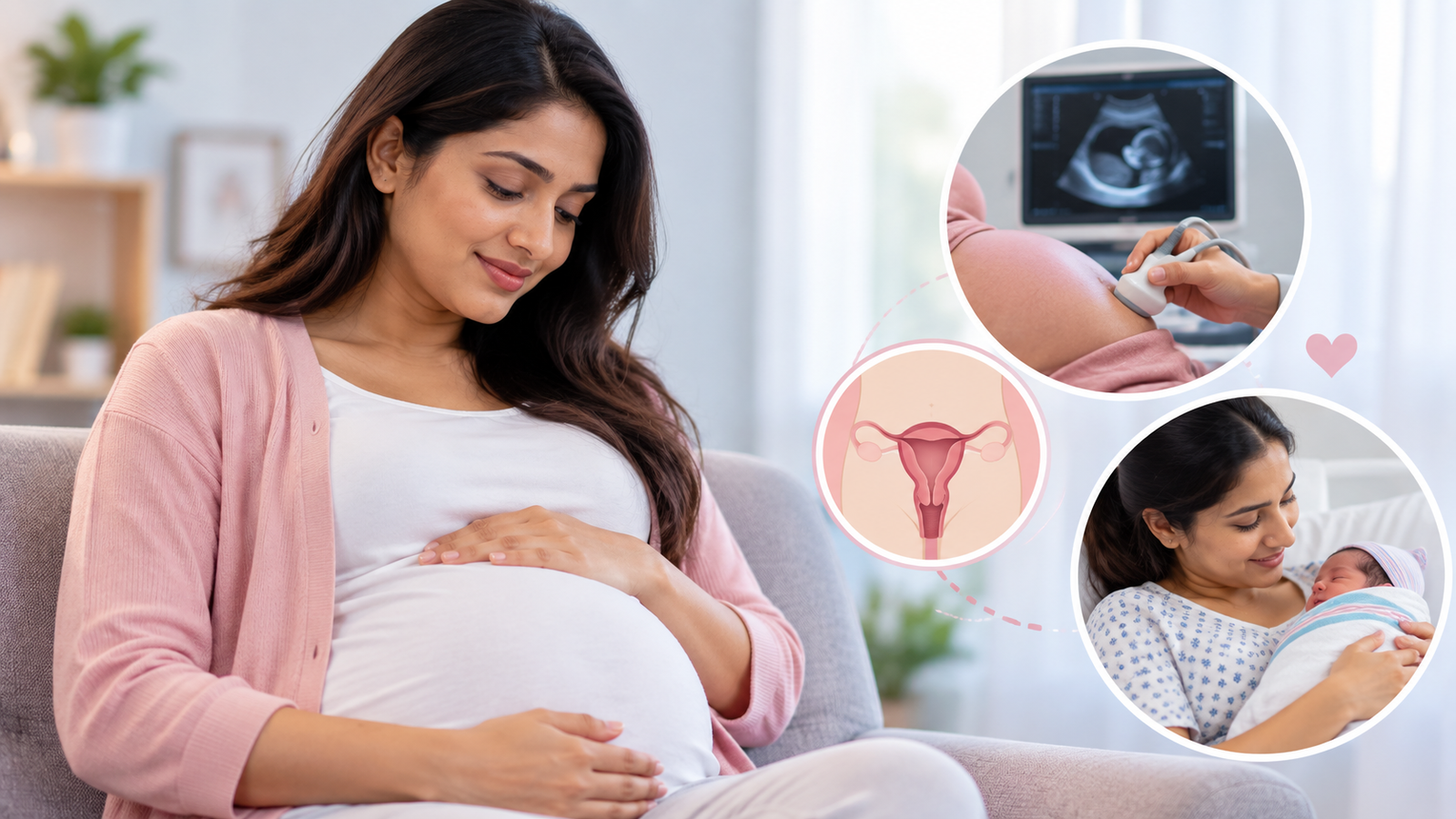
A previous labiaplasty does not prevent a normal delivery, while vaginal tightening results can be undone by a subsequent vaginal birth, which is why structural procedures are usually advised once family planning is complete.
One of the main concerns for patients considering intimate surgery is whether they can safely become pregnant or give birth afterward.
Pregnancy after vaginal tightening does not usually prevent someone from having a future pregnancy. However, pregnancy and especially vaginal childbirth can place considerable stretching forces on the vaginal walls, pelvic floor and perineal tissues.
If vaginal tightening involved structural repair, another vaginal birth may stretch those tissues again and reduce some of the improvement achieved by surgery.
For this reason, patients planning another pregnancy are often advised to discuss whether structural vaginal tightening should wait until family planning is complete.
How Do Pregnancy and Delivery Affect Previously Operated Tissue?
Pregnancy causes hormonal and physical changes in the pelvic floor, vulva, vaginal tissues and perineum. During vaginal delivery, these tissues stretch further to allow childbirth.
Previously operated tissues can therefore change again.
How much change occurs depends on several factors, including:
- Type of previous intimate procedure
- Extent of the original repair
- Tissue elasticity
- Baby's size and position
- Circumstances of labour
- Previous or new perineal tears
- Whether an episiotomy is required
The effect of delivery on surgical results also varies according to the procedure. Structural vaginal tightening may be more affected by childbirth than a procedure limited mainly to the external labial tissues.
Read more about Vaginal laxity after delivery.
Which Procedures Should Usually Wait Until Family Planning Is Complete?
Whether intimate surgery should wait depends on the procedure and the reason it is being considered.
With pregnancy after vaginal tightening, the main concern is that a subsequent vaginal delivery may stretch repaired tissues. Structural vaginal tightening is therefore often better planned once family planning is complete.
Labiaplasty is different because it primarily reshapes external labial tissue. A future pregnancy does not automatically mean labiaplasty cannot be performed, although pregnancy and delivery can still alter the surrounding tissues.
Perineoplasty and episiotomy scar repair also require individual consideration because another vaginal birth may affect the same perineal tissues.
Patients considering treatment after pregnancy can also read about Postpartum intimate rejuvenation.
Pregnancy After Vaginal Tightening and Other Procedures: Planning Table
| Procedure | Possible Effect of Future Pregnancy/Delivery | Usual Timing Consideration | What to Tell Your Obstetric Team | Revision Consideration |
|---|---|---|---|---|
| Vaginal tightening | Vaginal birth may stretch previously tightened tissues | Often considered after family planning is complete | Type and extent of previous repair | Reassess after postpartum recovery |
| Labiaplasty | Pregnancy may change surrounding tissues | Depends on symptoms and future pregnancy plans | Previous labial surgery and any significant scarring | Consider only if persistent changes cause concern |
| Perineoplasty | Delivery may stretch or injure repaired tissue | Individual planning is important | Details of previous perineal repair | Reassess after complete healing |
| Episiotomy scar repair | New tears or episiotomy may affect the repaired area | Consider future pregnancy plans | Previous episiotomy and scar repair | Further scar treatment may occasionally be considered |
What Should I Tell My Obstetric Team?
Anyone experiencing pregnancy after vaginal tightening, labiaplasty, perineoplasty or another intimate procedure should inform their obstetric team about the previous surgery.
Tell them:
- Which procedure was performed
- When it was performed
- Which area was treated
- Whether deeper vaginal or perineal tissues were repaired
- Whether there were healing complications
- Whether you have persistent pain, tightness or scar sensitivity
- Whether you previously experienced an episiotomy or significant perineal tear
If available, previous surgical records may also be useful.
Ideally, discuss the previous procedure during pregnancy rather than waiting until labour.
For further guidance about treatment at different stages of life, see the Life stages education hub.
How Does a Previous Repair Influence Episiotomy and Perineal Decisions?
A previous vaginal or perineal repair does not automatically mean an episiotomy will be necessary during a future delivery.
The obstetric team makes this decision according to the circumstances of labour and delivery.
However, episiotomy after previous intimate surgery deserves individual consideration when the earlier procedure involved the perineum. The obstetric team should know about previous scars, repairs, persistent tightness or discomfort.
This information allows the team to consider the previously operated area as part of delivery planning.
More information is available in Perineoplasty and scar repair.
Will Pregnancy After Vaginal Tightening Affect the Results?
It can.
The results of structural vaginal tightening may change after another vaginal delivery because the repaired tissues can stretch again.
However, this does not mean that every patient will lose the entire result or automatically require another operation.
The amount of change varies according to pregnancy, labour, delivery and individual tissue characteristics.
After childbirth, assessment should focus on whether there are persistent symptoms such as:
- Recurrent vaginal laxity
- Perineal discomfort
- Scar-related pain
- Pelvic floor weakness
- Changes in previously repaired tissue
Treatment should be based on symptoms and examination rather than assuming revision is necessary.
Can I Have a Normal Delivery After Labiaplasty?
In many cases, yes.
A previous labiaplasty does not normally prevent vaginal delivery because the operation primarily reshapes external labial tissue rather than the uterus or birth canal.
However, pregnancy and childbirth can still change the vulvar and perineal tissues.
Patients should tell their obstetrician about previous labiaplasty, particularly if there is significant scarring, persistent discomfort or a history of healing difficulties.
The appropriate method of delivery should be determined by obstetric circumstances rather than the history of labiaplasty alone.
Should Intimate Surgery Wait Until After Childbirth?
For patients planning future pregnancies, the timing of intimate surgery should be considered carefully.
This is particularly important with pregnancy after vaginal tightening, because vaginal childbirth may stretch the same tissues that surgery was intended to tighten.
Waiting until family planning is complete may therefore help reduce the possibility of needing another procedure because of childbirth-related changes.
However, not every procedure needs to be postponed automatically. Treatment required for significant functional symptoms may have different considerations.
The decision should take into account:
- Current symptoms
- Procedure being considered
- Future pregnancy plans
- Expected timing of pregnancy
- Functional versus elective reasons for treatment
- Possibility of childbirth changing the result
When Can Revision Be Considered After Childbirth?
Revision should generally not be planned immediately after delivery.
Swelling, hormonal changes and stretched tissues need time to recover. Pelvic floor recovery also continues during the postpartum period.
Once healing has progressed sufficiently, a clinical assessment can determine whether symptoms are caused by structural laxity, pelvic floor weakness, scar tissue or another postpartum change.
The exact timing of revision therefore depends on individual recovery rather than a single fixed timeframe.
Conclusion
Pregnancy after vaginal tightening is possible, but a subsequent vaginal delivery may stretch previously tightened tissues and change the result. Structural procedures are therefore commonly planned once family planning is complete when circumstances allow.
A previous labiaplasty does not generally prevent a normal vaginal delivery. Patients should nevertheless tell their obstetric team about any previous labial, vaginal or perineal surgery.
Previous perineal repair does not automatically mean an episiotomy will be necessary. Delivery decisions should be based on obstetric circumstances.
After childbirth, allow adequate healing before assessing whether a previous surgical result has changed. Revision should be based on persistent symptoms and examination rather than early postpartum appearance alone.
Have a Private Question?
Every concern deserves an honest answer. Book a confidential consultation with Dr. Ashutosh Shah at Elegance Clinic, Surat, for guidance made just for you.

About the Author
Dr. Ashutosh Shah is a cosmetic gynecologist and plastic surgeon with over 22 years of experience. At Elegance Clinic in Surat, he is known for safe, honest and completely confidential intimate and aesthetic care.
Should I delay intimate surgery until after having children?
For structural procedures such as vaginal tightening, waiting until family planning is complete is often advised because future childbirth may stretch the repaired tissues.
Does a previous repair prevent a normal delivery?
Usually, no. Previous intimate or perineal repair does not automatically prevent vaginal delivery. Delivery planning depends on individual obstetric circumstances.
What should I tell my obstetrician about earlier surgery?
Tell your obstetrician what procedure you had, when it was performed, the area treated, and whether you experienced complications, scarring, pain, or tightness.
Will results be lost after another delivery?
Not necessarily. However, vaginal childbirth can stretch previously tightened or repaired tissues, so some of the original improvement may change after delivery.
How long after childbirth can a revision be considered?
Revision is usually considered only after postpartum swelling and tissue changes have settled. The exact timing depends on healing, symptoms, and individual circumstances.
Does labiaplasty affect delivery at all?
Labiaplasty generally does not prevent vaginal delivery. However, your obstetric team should know about previous surgery, particularly if there is significant scarring or discomfort.