
Labia Majora Filler or Fat Transfer: Which Lasts Longer and Which Is Safer for You?
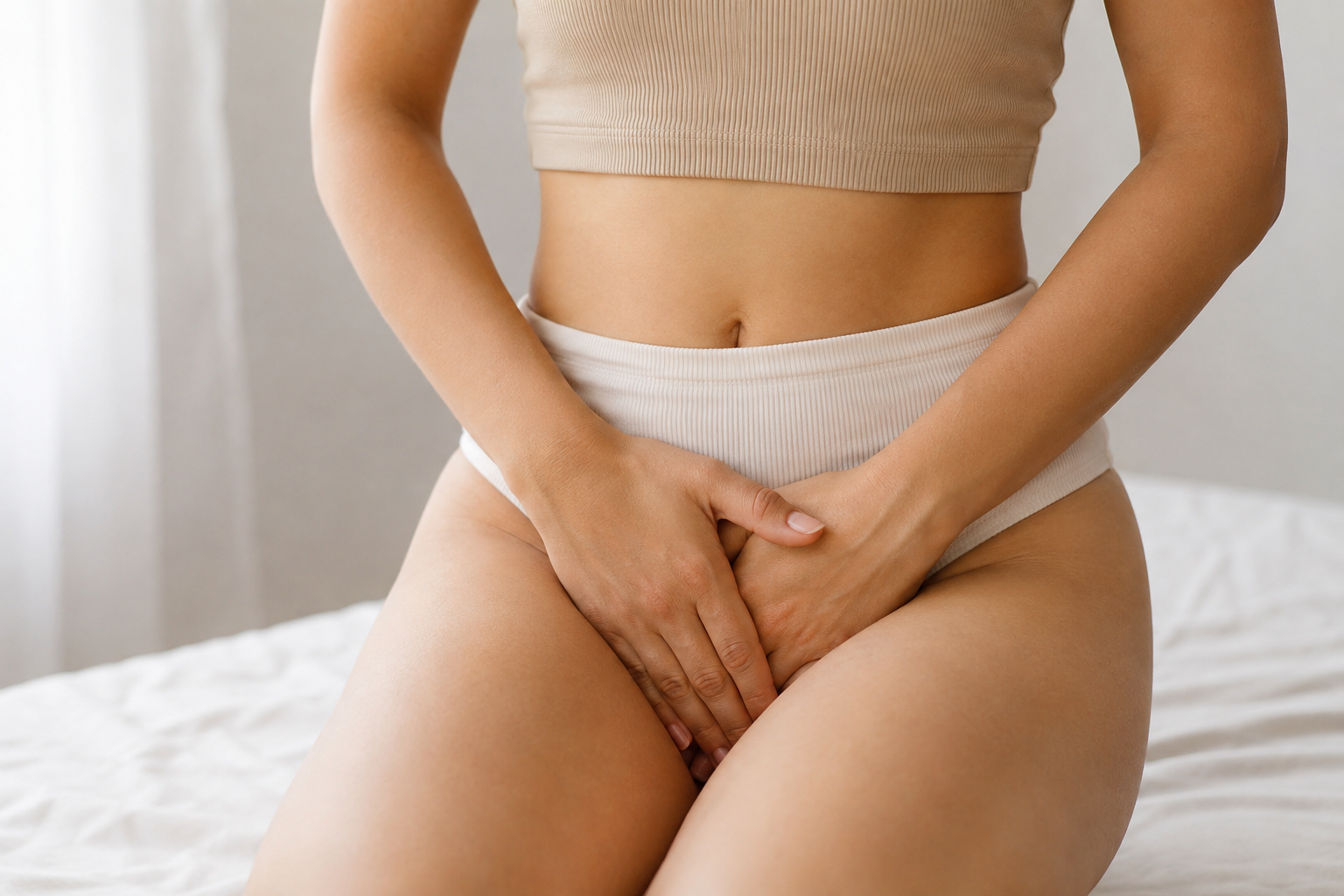
Hyaluronic acid filler restores labia majora volume in one short session with little downtime, but it usually needs repeating within one to two years. Fat transfer takes fat from your own body and needs minor liposuction; part of it is absorbed, but the fat that survives the first few months tends to last. Filler suits a trial.
<style type="text/css"> </style> Hyaluronic acid filler restores labia majora volume in one short session with little downtime, but it usually needs repeating within one to two years. Fat transfer takes fat from your own body and needs minor liposuction; part of it is absorbed, but the fat that survives the first few months tends to last. Filler suits a trial.
The labia majora are the outer folds of the vulva. They contain fatty tissue that provides natural fullness and cushioning.
Some women notice changes in labial volume after weight loss, ageing or pregnancy. Others naturally have less prominent outer labia.
These differences are usually normal and do not automatically require treatment.
For women considering cosmetic volume restoration, understanding the differences between hyaluronic acid fillers and fat transfer can support informed decisions.
Why Do the Outer Labia Lose Volume?
The appearance of the labia majora changes naturally throughout adulthood.
Several factors can influence fatty tissue, skin elasticity and overall contour.
1. Ageing and Skin Elasticity
As the body ages, skin elasticity and subcutaneous fat distribution may change.
Some women notice:
-
Reduced outer labial fullness
-
More visible skin folds
-
Wrinkling or loose skin
-
Changes in symmetry
-
Less prominent natural cushioning
Volume restoration may address selected concerns, but it does not necessarily correct significant skin laxity.
2. Significant Weight Loss
Weight loss can reduce fatty tissue in different areas of the body, including the labia majora.
When fat volume decreases, the skin may appear less supported.
However, the amount of labial volume change varies considerably.
3. Pregnancy and Childbirth
Pregnancy causes hormonal and circulatory changes that can temporarily alter vulvar tissues.
After delivery, some women notice changes in skin texture or fullness.
These changes do not always represent permanent volume loss.
Patients experiencing postpartum concerns can read about Postpartum intimate rejuvenation.
4. Genetics and Natural Anatomy
Some women naturally have flatter or less prominent labia majora.
This is a normal anatomical variation.
Treatment should never be considered medically necessary solely because of appearance.
Labial Fat Grafting vs Fillers: How Do the Procedures Differ?
The main difference in labial fat grafting vs fillers is the material used to restore volume.
Hyaluronic acid fillers use an injectable gel, while fat grafting transfers the patient's own fatty tissue.
What Are Hyaluronic Acid Fillers?
Hyaluronic acid is a substance naturally present in human tissues.
HA-based dermal fillers are manufactured injectable gels designed to provide volume.
In selected cosmetic procedures, clinicians may discuss HA fillers for labia majora augmentation.
However, patients should understand that a filler approved for one anatomical location is not automatically approved for genital use.
The regulatory status and supporting evidence for the specific product must be explained.
How Does the Procedure Work?
The clinician evaluates the anatomy and identifies the proposed treatment area.
After discussing consent, anaesthesia and potential risks, a suitable filler may be injected using an appropriate medical technique.
The treatment generally does not require liposuction or a separate donor site.
Patients can explore HA fillers for labia majora for additional information.
What Is Labia Majora Fat Grafting?
Labia majora fat grafting uses fat harvested from another area of the patient's body.
The procedure typically includes:
-
Assessing the donor and recipient areas.
-
Harvesting fat through a liposuction technique.
-
Processing the collected fatty tissue.
-
Transferring suitable fat into the planned recipient area.
-
Monitoring healing and changes in volume.
Some transferred fat is absorbed during healing.
The surviving fat may establish a blood supply and provide longer-lasting volume.
However, fat survival varies, and a specific final volume cannot be guaranteed.
Read more about Female genital fat transfer.
HA Fillers vs Fat Transfer: Side-by-Side Comparison
| Comparison Factor | HA Fillers | Fat Transfer |
|---|---|---|
| Procedure time | Often a shorter outpatient procedure | Longer because fat harvesting and processing are needed |
| Anaesthesia | Often local anaesthesia | Local anaesthesia with or without sedation, or general anaesthesia |
| Donor site | Not required | Required |
| Downtime | Usually shorter initial recovery | Recovery at donor and recipient sites |
| Longevity | Temporary; varies by product and patient | Surviving fat may persist for years |
| Reversibility | HA may be dissolved with hyaluronidase | Not readily reversible |
| Repeat sessions | May be needed as filler breaks down | May be needed if fat retention is inadequate |
| Three-year cost pattern | Initial injection plus possible repeat treatments | Higher initial procedural cost plus possible additional grafting |
| Main risks | Infection, nodules, asymmetry, vascular occlusion | Fat necrosis, irregularities, infection, donor-site complications |
Neither treatment is universally safer or more effective for every patient.
How Long Do Labia Majora Fillers Last?
Hyaluronic acid fillers are gradually broken down by the body.
Their duration depends on:
-
Product formulation
-
Amount of filler used
-
Individual metabolism
-
Tissue characteristics
-
Injection placement
-
Changes in body weight
-
Subsequent treatment
Some reports describe improvements lasting many months or longer, but strong evidence establishing a predictable duration specifically for labia majora augmentation remains limited.
A duration of one to two years should therefore be treated as an estimate, not a guarantee.
Will Fillers Need Repeating?
Repeat injections may be considered when the visible effect decreases.
However, treatment should be based on reassessment rather than an automatic annual schedule.
Repeated filler procedures increase cumulative costs and involve additional exposure to procedural risks.
How Long Does Labia Majora Fat Transfer Last?
Fat transfer has a different longevity pattern.
Some transferred fat is naturally absorbed during the first few months.
Fat cells that survive and establish an adequate blood supply may remain for years.
However, the amount of surviving fat varies.
What Affects Fat Survival?
Possible factors include:
-
Harvesting technique
-
Fat processing
-
Recipient tissue blood supply
-
Surgical technique
-
Individual healing
-
Weight fluctuations
-
Postoperative complications
The final appearance may differ from the immediate postoperative result because early swelling and fat absorption affect volume.
Is Fat Transfer Permanent?
Surviving fat can provide long-lasting volume, but the outcome is not necessarily permanent in appearance.
Weight changes, ageing and tissue changes can affect the result over time.
Some patients may require another fat-transfer procedure.
Labial Fat Grafting vs Fillers: Which Costs Less Over Three Years?
The cost comparison should include more than the first appointment.
HA filler may have a lower initial treatment cost because it does not require surgical fat harvesting.
Fat transfer usually involves additional expenses for liposuction, fat processing, anaesthesia and surgical facilities.
However, temporary fillers may require repeat treatment.
Three-Year Cost Comparison
| Cost Component | HA Fillers | Fat Transfer |
|---|---|---|
| Initial treatment | ₹[verified figure] | ₹[verified figure] |
| Anaesthesia | ₹[verified figure, if applicable] | ₹[verified figure] |
| Donor-site treatment | Not applicable | Included or separately charged |
| Repeat procedure | ₹[verified figure] per session, if needed | ₹[verified figure] if additional grafting is required |
| Follow-up | ₹[verified figure] | ₹[verified figure] |
| Estimated three-year total | ₹[verified total] | ₹[verified total] |
These placeholders must be replaced with verified clinic pricing before publication.
There is no reliable universal three-year cost estimate because the number of repeat procedures varies.
A patient should request an itemized quotation and discuss whether additional treatment might be necessary.
What Are the Risks of Labia Majora Fillers?
Although HA fillers do not require fat harvesting, they remain medical procedures with potential complications.
Possible risks include:
-
Swelling
-
Bruising
-
Tenderness
-
Infection
-
Asymmetry
-
Palpable nodules
-
Uneven filler distribution
-
Inflammatory reactions
-
Persistent discomfort
-
Unsatisfactory cosmetic results
Can Fillers Cause Vascular Complications?
Yes.
Accidental injection into a blood vessel or compression of a vessel can compromise circulation.
A vascular occlusion may cause tissue injury and, in severe cases, necrosis.
Possible warning signs include sudden severe pain, unusual blanching, dusky discoloration or rapidly worsening skin changes.
These symptoms require urgent medical attention.
Although vascular complications are recognized risks of dermal fillers, the exact incidence in labia majora augmentation is not well established.
Patients should ask whether the clinician has appropriate training and an emergency management protocol.
What Are the Risks of Labia Majora Fat Grafting?
Potential labial fat grafting side effects involve both the fat-harvesting area and the recipient site.
Possible complications include:
-
Bleeding or haematoma
-
Infection
-
Swelling and bruising
-
Fat necrosis
-
Oil cyst formation
-
Uneven fat survival
-
Asymmetry
-
Contour irregularities
-
Donor-site scarring
-
Persistent tenderness
-
Anaesthesia-related complications
Rare serious complications involving vascular injury or fat embolism are recognized in fat-transfer surgery, although risks vary considerably by anatomical site and technique.
Can Fat Grafting Create Lumps?
Yes.
Areas of fat necrosis, uneven fat distribution or localized scarring may create palpable lumps.
Some changes settle with time, while others require assessment or treatment.
Patients should report any persistent, painful or enlarging lump.
Labia Majora Filler Near Bhatar Surat: What Should You Discuss With a Surgeon?
Women researching labia majora filler near bhatar surat should begin with a consultation to determine whether volume restoration is appropriate.
At Elegance Intimate Wellness, patients considering consultation with Dr. Ashutosh Shah can discuss their concerns, medical history, anatomical findings and the potential benefits and risks of filler or fat transfer.
Important consultation questions include:
-
Is the concern volume loss, loose skin or both?
-
Is treatment medically necessary?
-
Is the proposed filler approved for this use?
-
What evidence supports the expected outcome?
-
How long might results last?
-
What are the risks of vascular complications?
-
How would complications be managed?
-
Could fat grafting produce an uneven result?
-
What are the expected recovery restrictions?
-
What is the estimated total treatment cost?
The final decision should follow individual assessment and informed consent.
Which Option Suits You: HA Filler or Fat Transfer?
There is no single best procedure for everyone.
The choice depends on anatomy, treatment goals, medical suitability and willingness to accept different risks.
HA Fillers May Be Considered When
-
A relatively limited volume change is desired.
-
The patient prefers to avoid fat harvesting.
-
Shorter initial recovery is important.
-
Temporary results are acceptable.
-
The patient understands the product's regulatory status and risks.
HA fillers should not be described as a risk-free trial because complications can occur even after a single injection.
Fat Transfer May Be Considered When
-
The patient prefers augmentation using their own tissue.
-
A suitable donor site is available.
-
A larger volume change is being considered.
-
Surgical recovery is acceptable.
-
Longer-lasting volume is a priority.
-
The patient understands that some fat will be absorbed.
When Neither Procedure May Be Appropriate
Neither procedure may be suitable when:
-
The concern is mainly excess loose skin.
-
There is an active infection.
-
A new lump requires investigation.
-
Medical conditions increase procedural risks.
-
Expectations are unrealistic.
-
The patient does not wish to accept the risks.
For broader information about available approaches, visit Labia majora augmentation.
What Is Labia Majora Fat Transfer Recovery Like?
Labia majora fat transfer recovery involves healing at the donor site and the recipient area.
Recovery depends on the amount of fat harvested, the surgical technique and individual healing.
First 48–72 Hours
Swelling, bruising and tenderness may occur.
Patients should follow instructions about hygiene, medication, activity and wound care.
Week 1
Some patients can resume light daily activities when comfortable.
However, donor-site discomfort and recipient-area swelling may continue.
Weeks 2–3
Swelling and bruising often begin to improve.
Patients may gradually increase activity according to their surgeon's instructions.
Weeks 4–6
Many patients experience further recovery.
Return to strenuous exercise and intercourse should depend on healing and medical clearance.
Following Months
Swelling continues to settle, and some transferred fat may be absorbed.
The final volume should not be assessed immediately after surgery.
Persistent pain, fever, worsening redness or unusual swelling requires medical attention.
Can Labia Majora Volume Be Restored After Childbirth?
Some women notice changes in vulvar appearance following pregnancy and childbirth.
However, these changes may involve skin elasticity, hormones, body weight or temporary tissue changes rather than true volume loss.
Women should allow adequate postpartum recovery before considering elective cosmetic procedures.
Breastfeeding, ongoing healing and pelvic-floor symptoms may also influence treatment decisions.
An examination helps determine whether augmentation, another treatment or no intervention is appropriate.
Have a Private Question?
Every concern deserves an honest answer. Book a confidential consultation with Dr. Ashutosh Shah at Elegance Clinic, Surat, for guidance made just for you.

About the Author
Dr. Ashutosh Shah is a cosmetic gynecologist and plastic surgeon with over 22 years of experience. At Elegance Clinic in Surat, he is known for safe, honest and completely confidential intimate and aesthetic care.
Can filler in the labia be dissolved?
Hyaluronic acid fillers may be treated with hyaluronidase, an enzyme that breaks down HA. However, dissolving filler is a medical procedure and may not guarantee complete reversal. The response depends on the product, amount and location.
Does fat transfer need a second session?
Not always. Some patients achieve an acceptable result after one procedure, while others may consider additional grafting if significant fat is absorbed. The need for another session is assessed after healing.
Is there downtime after labia filler?
Temporary swelling, bruising and tenderness may occur. Some patients resume light activities relatively quickly, but strenuous exercise, friction and intercourse may need to be restricted according to medical advice.
Can fat grafting be done with labiaplasty?
In selected patients, fat grafting and labiaplasty may be performed together. However, combining procedures increases the extent of treatment and may affect recovery. The surgeon must assess tissue condition, blood supply and overall surgical risks.
Does weight change affect grafted fat?
Yes. Surviving transferred fat behaves like living fatty tissue and may change in volume with weight fluctuations. Significant weight changes can therefore affect the long-term appearance.
Is labia volume loss after delivery permanent?
Not necessarily. Some postpartum changes improve as swelling, hormones and body weight stabilize. Women considering labia majora filler near bhatar surat should undergo assessment after adequate recovery to determine whether treatment is appropriate.