
How Can You Maintain Intimate Skin Pigmentation Results?
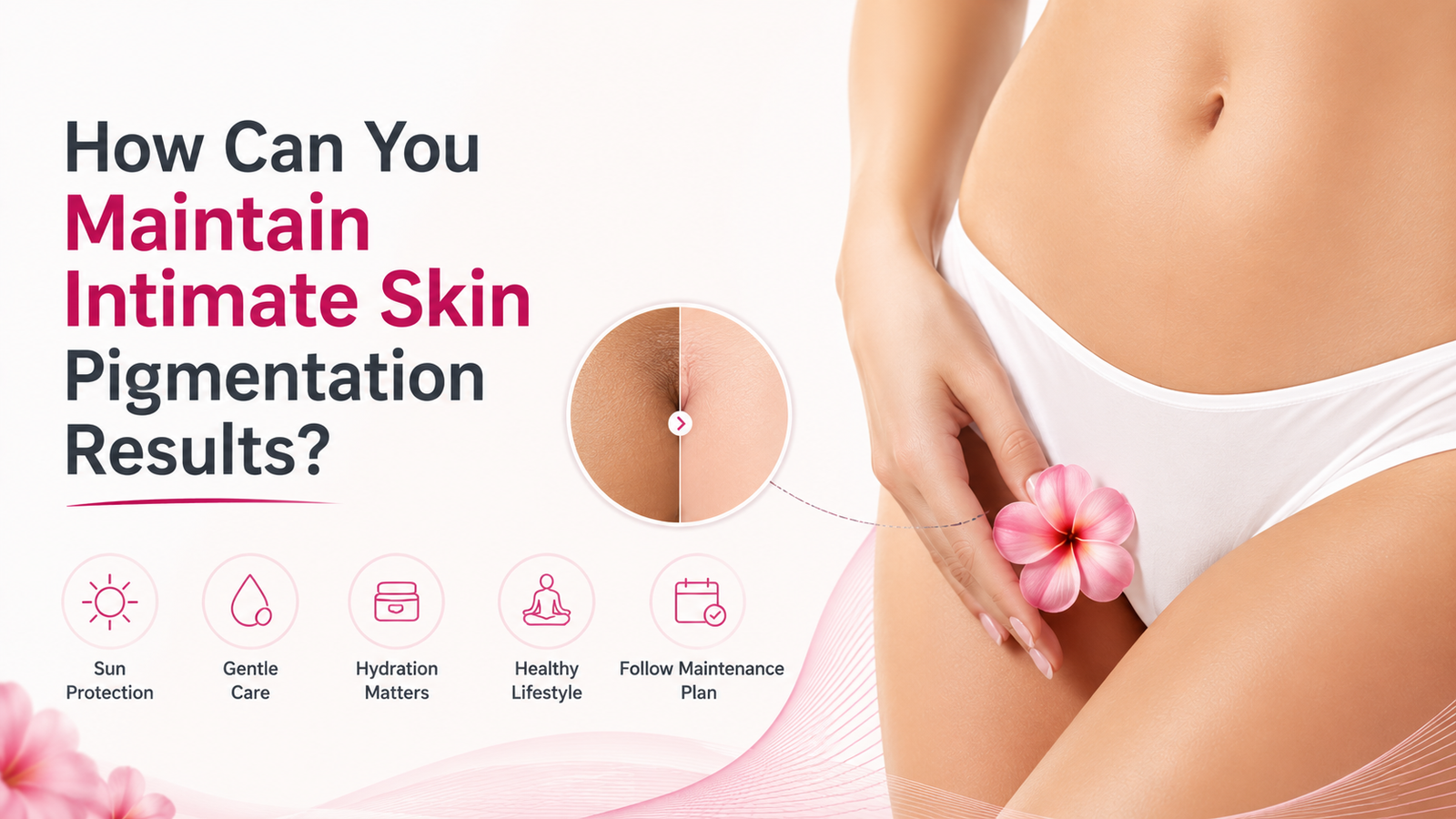
Intimate skin pigmentation can improve with the right approach, but maintaining those results requires more than completing a single treatment. Everyday factors such as friction, shaving, waxing, hormonal fluctuations, sweating, and irritation can gradually contribute to uneven-looking intimate skin again.
How Can You Maintain Intimate Skin Pigmentation Results?
Intimate skin pigmentation can improve with the right approach, but maintaining those results requires more than completing a single treatment. Everyday factors such as friction, shaving, waxing, hormonal fluctuations, sweating, and irritation can gradually contribute to uneven-looking intimate skin again.
Intimate pigmentation maintenance in Surat focuses on protecting the skin after pigmentation concerns have been addressed and building a consistent routine that supports healthier-looking, more even-toned skin.
The goal is not to make intimate skin unnaturally light. Instead, maintenance focuses on supporting skin health, reducing avoidable irritation, and preserving improvements achieved through appropriate care.
What Is Intimate Pigmentation Maintenance?
Intimate pigmentation maintenance is the ongoing care used after an initial pigmentation-focused treatment or skincare plan.
It may involve:
- Following a personalized skincare routine
- Reducing repeated friction and irritation
- Choosing gentle products suitable for sensitive skin
- Managing shaving or waxing habits
- Protecting the skin barrier
- Addressing factors that may contribute to recurring pigmentation
- Returning for professional assessment when pigmentation changes again
The exact maintenance plan can vary because intimate pigmentation does not have one universal cause.
Why Can Intimate Pigmentation Return?
One of the most important parts of maintenance is understanding why pigmentation may become noticeable again.
The intimate area is exposed to repeated mechanical and environmental factors. For some people, frequent friction from tight clothing or physical activity may contribute to irritation. Hair removal can also cause repeated inflammation, particularly when shaving or waxing leads to razor bumps or irritation.
Other possible contributors include:
1. Friction
Repeated rubbing can irritate sensitive skin. Tight clothing, synthetic fabrics, prolonged sweating, and regular physical activity may increase friction in the groin or bikini area.
Reducing unnecessary friction can therefore become an important part of a long-term pigmentation maintenance routine.
2. Hair Removal
Shaving and waxing can sometimes trigger irritation or inflammation. Repeated irritation may contribute to uneven-looking pigmentation in susceptible skin.
Using an appropriate hair-removal technique and avoiding aggressive methods may help minimize unnecessary skin trauma.
3. Hormonal Changes
Hormonal fluctuations can influence pigmentation in some individuals. Changes associated with pregnancy, menstrual cycles, or other hormonal conditions may affect how pigmentation develops or responds to treatment.
This is one reason why pigmentation may not always behave in exactly the same way over time.
4. Harsh Skincare Products
The intimate area requires a more cautious approach than many other parts of the body. Strong exfoliants, fragranced products, or unsuitable bleaching products may cause irritation rather than improving the appearance of the skin.
A maintenance routine should prioritize skin tolerance and barrier health.
7 Ways to Support Long-Term Pigmentation Maintenance
Maintaining results doesn't necessarily mean adding more products. In many cases, it means making your routine simpler and more consistent.
1. Follow a Personalized Maintenance Routine
After pigmentation treatment, continuing an appropriate skincare routine can help support the appearance of the treated area.
However, products should be selected according to the skin's sensitivity and the location being treated. What works for facial pigmentation may not be appropriate for intimate skin.
A professional evaluation can help determine which ingredients and treatments are suitable.
2. Minimize Repeated Friction
If friction is contributing to irritation, consider practical changes such as:
- Choosing breathable underwear
- Avoiding excessively tight clothing
- Changing out of sweaty clothes promptly
- Keeping the area comfortably dry
- Using appropriate clothing during exercise
These simple measures can help reduce repeated irritation.
3. Be Careful With Shaving and Waxing
Frequent hair removal can sometimes cause bumps, inflammation, or minor skin injury.
If pigmentation tends to appear after hair removal, discuss alternative methods with a qualified professional rather than repeatedly treating the pigmentation without addressing the trigger.
The aim is to reduce the cycle of:
Hair removal → irritation → inflammation → pigmentation.
4. Avoid DIY Bleaching Remedies
Lemon juice, baking soda, strong acids, or unregulated lightening products are not appropriate solutions for sensitive intimate skin.
They can cause irritation or chemical burns, potentially making pigmentation more noticeable.
Professional pigmentation care should focus on controlled, skin-appropriate treatment rather than aggressive lightening.
5. Don't Over-Exfoliate
Exfoliation is often promoted as a way to improve dark skin, but excessive exfoliation can damage the skin barrier.
If pigmentation maintenance involves exfoliating ingredients, their frequency and strength should be appropriate for the individual's skin.
More treatment does not automatically mean better results.
6. Pay Attention to New Changes
If pigmentation suddenly becomes darker, develops alongside itching or inflammation, or changes despite following a maintenance routine, it may be worth getting the area professionally evaluated.
Pigmentation can sometimes be associated with an underlying skin condition, so maintenance should not simply focus on lightening the skin.
7. Continue Professional Follow-Up When Recommended
Some people may benefit from periodic professional assessment rather than repeatedly starting treatments whenever pigmentation becomes noticeable.
At Elegance Clinic, Dr. Ashutosh Shah can assess the skin, consider possible contributing factors, and help determine an appropriate approach for maintaining pigmentation-related improvements.
What Should You Avoid After Pigmentation Treatment?
A maintenance routine can be undermined by everyday habits that repeatedly irritate the skin.
Try to avoid:
- Harsh scrubbing
- Frequent aggressive exfoliation
- Unsupervised bleaching creams
- Fragranced products that cause irritation
- Picking or scratching irritated skin
- Tight clothing that causes persistent rubbing
- Repeated hair-removal irritation
- Using facial pigmentation products on intimate skin without professional advice
The objective is healthy-looking, comfortable skin—not aggressive skin lightening.
Can Skincare Alone Maintain Intimate Pigmentation Results?
Sometimes, but not always.
Skincare may help maintain improvements when pigmentation is mild and the contributing factors are manageable. However, persistent or recurring pigmentation may require professional evaluation.
The right approach depends on factors such as:
- Skin type
- Degree of pigmentation
- Previous treatments
- Sensitivity or irritation
- Hair-removal habits
- Hormonal influences
- Possible underlying skin conditions
Therefore, there is no single maintenance cream or routine that is suitable for everyone.
When Should You Consider Professional Intimate Pigmentation Maintenance in Surat?
Consider professional advice if:
- Pigmentation keeps returning
- The skin becomes irritated after hair removal
- Home remedies have made the area more sensitive
- You have tried multiple products without improvement
- Pigmentation is accompanied by itching, scaling, pain, or inflammation
- You want to understand the cause before starting another treatment
- You want a structured plan for maintaining previous results
A professional assessment can help distinguish between simple cosmetic pigmentation and pigmentation that may need medical evaluation.
Intimate Pigmentation Maintenance in Surat: What Makes a Good Routine?
A good maintenance plan should be:
Gentle - avoid unnecessary irritation.
Consistent - occasional aggressive treatment is usually less useful than appropriate ongoing care.
Personalized - intimate skin differs from facial or body skin.
Cause-focused - recurring triggers should be identified where possible.
Realistic - natural variation in intimate skin tone is normal.
This approach is particularly important when the goal is long-term skin health rather than achieving an unrealistic standard of skin color.
A Simple Maintenance Framework
Think of intimate pigmentation maintenance as a four-step cycle:
Assess
Understand why pigmentation developed or returned.
Treat
Use an appropriate professional or skincare approach when needed.
Protect
Reduce friction, irritation, and unsuitable hair-removal practices.
Maintain
Continue the recommended routine and monitor changes over time.
This Assess → Treat → Protect → Maintain approach can make pigmentation care more sustainable than repeatedly looking for a quick-fix lightening treatment.
Is Intimate Pigmentation Normal?
Yes. Some degree of darker pigmentation in intimate areas is completely normal.
Intimate skin can naturally be darker than surrounding skin because of normal differences in pigmentation, hormones, genetics, friction, and other factors.
Treatment is therefore not medically necessary simply because the intimate area is darker.
If someone chooses treatment for cosmetic reasons, the objective should be healthy, even-looking skin while respecting natural skin characteristics, rather than trying to achieve a specific unrealistic shade.
Conclusion: How Can You Maintain Intimate Skin Pigmentation Results?
Maintaining intimate pigmentation results is primarily about consistency and prevention of repeated irritation.
A suitable routine may include gentle skincare, reducing friction, reviewing hair-removal practices, avoiding harsh DIY remedies, and following professional recommendations. If pigmentation repeatedly returns, identifying the contributing factor can be more useful than simply repeating a lightening treatment.
For individuals looking for Intimate Pigmentation Maintenance in Surat, a professional consultation can help create a personalized approach based on skin condition, pigmentation pattern, previous treatment, and individual concerns.
Want to know what may be contributing to recurring intimate pigmentation?
Book a consultation at Elegance Clinic in Surat to discuss your skin concerns and explore a personalized pigmentation maintenance approach. Professional guidance can help you choose suitable care while minimizing unnecessary irritation.
Have a Private Question?
Every concern deserves an honest answer. Book a confidential consultation with Dr. Ashutosh Shah at Elegance Clinic, Surat, for guidance made just for you.

About the Author
Dr. Ashutosh Shah is a cosmetic gynecologist and plastic surgeon with over 22 years of experience. At Elegance Clinic in Surat, he is known for safe, honest and completely confidential intimate and aesthetic care.
How can I maintain intimate pigmentation treatment results?
Maintain results by following a suitable skincare routine, reducing friction and irritation, avoiding harsh products, and following your professional's maintenance recommendations.
Can intimate pigmentation come back after treatment?
Yes. Intimate pigmentation can become noticeable again when factors such as friction, irritation, hair removal, hormonal changes, or other triggers continue.
How long do intimate pigmentation treatment results last?
There is no fixed duration. Results vary depending on skin type, pigmentation causes, lifestyle factors, treatment used, and ongoing maintenance.
Does shaving cause intimate pigmentation?
Shaving may contribute indirectly. Repeated shaving can cause irritation, razor bumps, or inflammation, which may contribute to pigmentation in susceptible skin.
Can waxing make intimate pigmentation darker?
It can in some people. Repeated waxing-related irritation or inflammation may contribute to post-inflammatory pigmentation.