
Why Shaving Can Cause Ingrown Hairs and What to Do
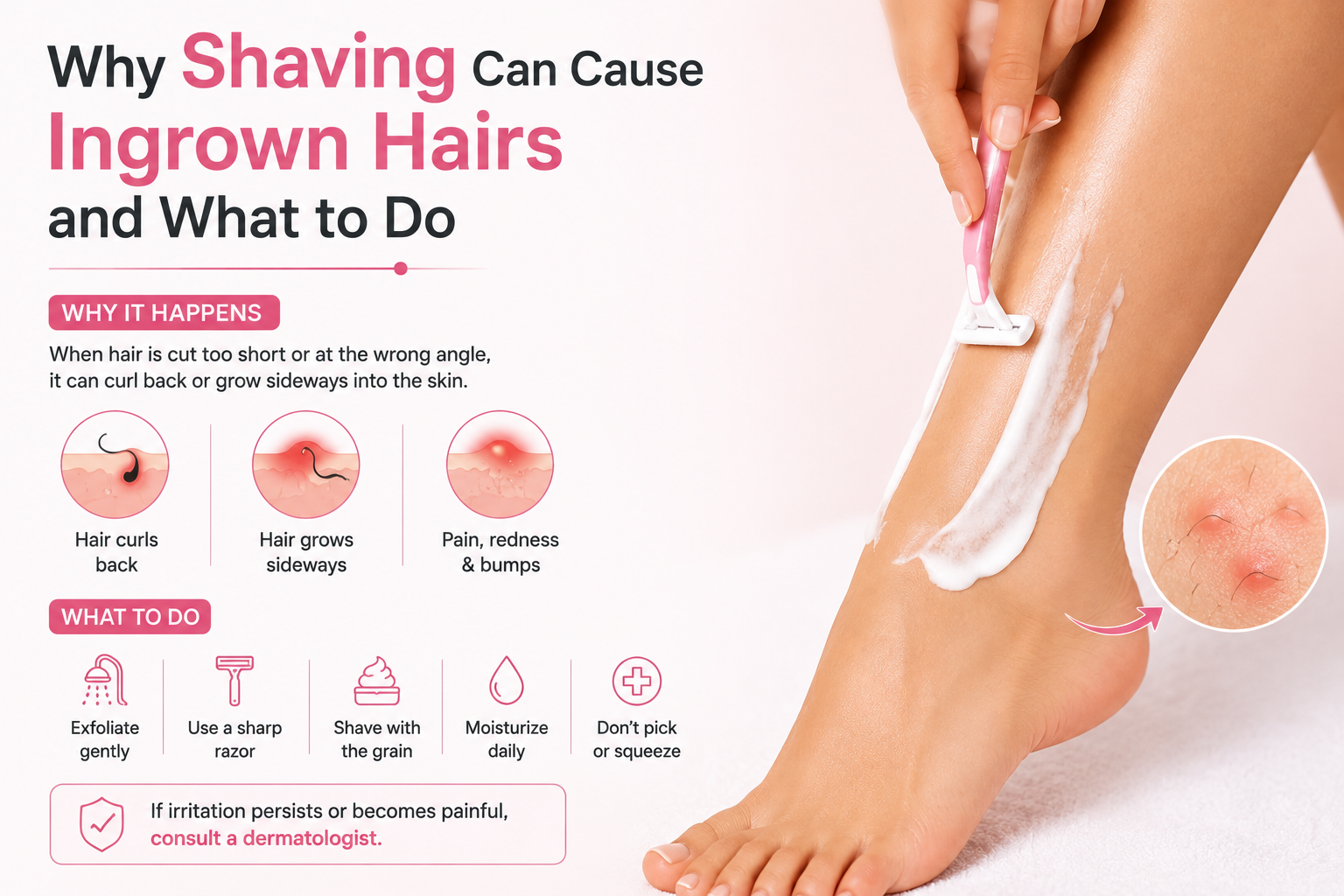
Shaving can leave the skin feeling smooth, but sometimes the result is red bumps, itching, tenderness, or small inflamed spots. One common reason is an ingrown hair. This happens when a shaved hair grows back into the skin instead of growing outward.
Shaving can leave the skin feeling smooth, but sometimes the result is red bumps, itching, tenderness, or small inflamed spots. One common reason is an ingrown hair. This happens when a shaved hair grows back into the skin instead of growing outward.
Ingrown hairs can occur anywhere hair is removed, including the bikini and intimate areas. If the problem keeps returning after shaving or waxing, professional Ingrown Hair Treatment in Surat may help identify the cause and manage recurring irritation.
What Causes an Ingrown Hair After Shaving?
Think of shaving as changing the way a hair grows back.
When hair is cut very close to the skin, the newly growing hair may become trapped beneath the surface. Instead of passing through the follicle opening normally, it can curve back toward the skin.
Common contributing factors include:
- Shaving too closely
- Shaving against the direction of hair growth
- Using a dull or unsuitable razor
- Repeated shaving over the same area
- Naturally coarse or curly hair
- Friction from tight clothing
- Waxing or other hair-removal methods
- Dead skin cells blocking the follicle opening
This can be particularly noticeable in the pubic and bikini areas, where hair may be thicker and the skin can experience frequent friction.
How Can You Tell If It Is an Ingrown Hair?
An ingrown hair may appear as a small red or skin-coloured bump around a hair follicle. Some people experience itching or tenderness, while others notice a darker spot where the hair has become trapped.
In some cases, inflammation can develop and the area may look similar to folliculitis.
Common signs include:
Small bump → irritation → tenderness → visible trapped hair
However, not every bump after shaving is an ingrown hair. Razor irritation, folliculitis, acne-like lesions, and other skin conditions can look similar. A professional assessment can help determine what is actually causing the problem.
Why Do Ingrown Hairs Keep Coming Back?
Treating one bump does not necessarily prevent another from developing.
If the same hair-removal habits continue, new hairs may repeatedly become trapped. This is why recurring ingrown hairs are often linked to the hair-removal technique, hair type, skin sensitivity, and repeated friction.
For people who frequently experience bikini-area bumps after shaving or waxing, simply removing each visible hair may not address the underlying problem.
What Should You Do About an Ingrown Hair?
If an ingrown hair is mild, avoid trying to dig it out with a needle or repeatedly squeezing the area.
Instead:
- Stop shaving the affected area temporarily if possible.
- Keep the skin clean and avoid unnecessary friction.
- Avoid tight clothing that repeatedly rubs against the area.
- Do not pick, squeeze, or scratch the bump.
- Avoid aggressive scrubbing that can further irritate the skin.
- Seek professional advice if the bumps are painful, recurrent, spreading, or associated with significant inflammation.
The right approach depends on whether the problem is actually an ingrown hair, folliculitis, or another skin condition.
What About Ingrown Hairs in the Bikini or Intimate Area?
The intimate area requires extra care because the skin can be sensitive and is frequently exposed to shaving, waxing, friction, and moisture.
Trying to aggressively remove a trapped hair can cause:
- Increased irritation
- Skin damage
- Dark marks
- Scarring
- Secondary infection
For persistent intimate-area bumps, Ingrown Hair Treatment in Surat can provide a more appropriate approach based on the individual's skin and hair-removal history.
How Can You Reduce Future Ingrown Hairs?
Prevention begins with changing the factors that repeatedly irritate the follicle.
Before hair removal
Use a gentle cleansing routine and avoid shaving irritated or already inflamed skin.
During shaving
Use an appropriate shaving product, avoid excessive pressure, and avoid repeatedly passing the razor over the same area.
After shaving
Reduce friction and avoid immediately wearing clothing that causes significant rubbing.
If the problem keeps returning
Consider discussing alternative hair-removal strategies and professional treatment options with a qualified provider.
When Should You Consider Professional Treatment?
Occasional ingrown hairs may settle with appropriate skin care. However, professional evaluation becomes more useful when you experience repeated bumps, persistent inflammation, pigmentation, discomfort, or frequent ingrown hairs after shaving or waxing.
At Elegance Clinic in Surat, the focus can be on understanding why the ingrown hairs are occurring and selecting an appropriate approach for intimate and bikini-area concerns.
Professional Guidance for Ingrown Hair Treatment in Surat
If ingrown hairs repeatedly occur after shaving or waxing, professional assessment can help determine whether the problem is caused by ingrown hairs, folliculitis, irritation, or another skin concern.
At Elegance Clinic in Surat, Dr. Ashutosh Shah, Director and board-certified plastic, reconstructive and cosmetic surgeon, leads the clinic's aesthetic care. His experience allows patients to discuss intimate-area concerns confidentially and understand suitable treatment options based on their individual skin and hair characteristics.
For patients seeking Ingrown Hair Treatment in Surat, a consultation can help identify recurring triggers and establish an appropriate treatment and prevention approach.
Ingrown Hair Treatment in Surat: What to Expect
A professional consultation generally starts by assessing the affected area and understanding factors such as:
- How frequently you shave or wax
- Where the bumps appear
- Whether the problem is recurring
- Your hair type and growth pattern
- Previous treatments
- Any associated inflammation or skin changes
The treatment plan should be individualized rather than relying on one solution for everyone.
Conclusion
Shaving does not automatically cause ingrown hairs, but close shaving, repeated irritation, curly or coarse hair, and friction can increase the likelihood of developing them. If you frequently notice bumps in the bikini or intimate area after shaving or waxing, repeatedly squeezing or picking at them can make the problem worse.
For recurring concerns, Ingrown Hair Treatment in Surat can help you understand the underlying cause and explore suitable treatment and prevention options.
Book a Consultation
Dealing with recurring ingrown hairs after shaving or waxing? Consult Dr. Ashutosh Shah at Elegance Clinic, Surat, to discuss your concerns and explore suitable options for intimate skin care and ingrown hair treatment. Consultations are available at the clinic's Adajan and Vesu locations in Surat.
Have a Private Question?
Every concern deserves an honest answer. Book a confidential consultation with Dr. Ashutosh Shah at Elegance Clinic, Surat, for guidance made just for you.

About the Author
Dr. Ashutosh Shah is a cosmetic gynecologist and plastic surgeon with over 22 years of experience. At Elegance Clinic in Surat, he is known for safe, honest and completely confidential intimate and aesthetic care.
How do you get rid of an ingrown hair?
Avoid shaving, waxing, picking, or squeezing the area and seek professional treatment if the ingrown hair persists or repeatedly returns.
Why does shaving cause ingrown hairs?
Shaving can cut hair very close to the skin, allowing the growing hair to curl back into the skin instead of growing outward.
How can I prevent ingrown hairs after shaving?
Shave in the direction of hair growth, avoid very close shaving, use a clean sharp razor, and avoid repeatedly shaving the same area.
Are ingrown hairs common in the bikini area?
Yes, the bikini area can be prone to ingrown hairs because of coarse or curly hair, frequent hair removal, and skin friction.
Should I squeeze an ingrown hair?
No, squeezing or digging at an ingrown hair can worsen inflammation and increase the risk of infection, pigmentation, or scarring.