
Why Intimate Fungal Infections Return When You Least Expect Them
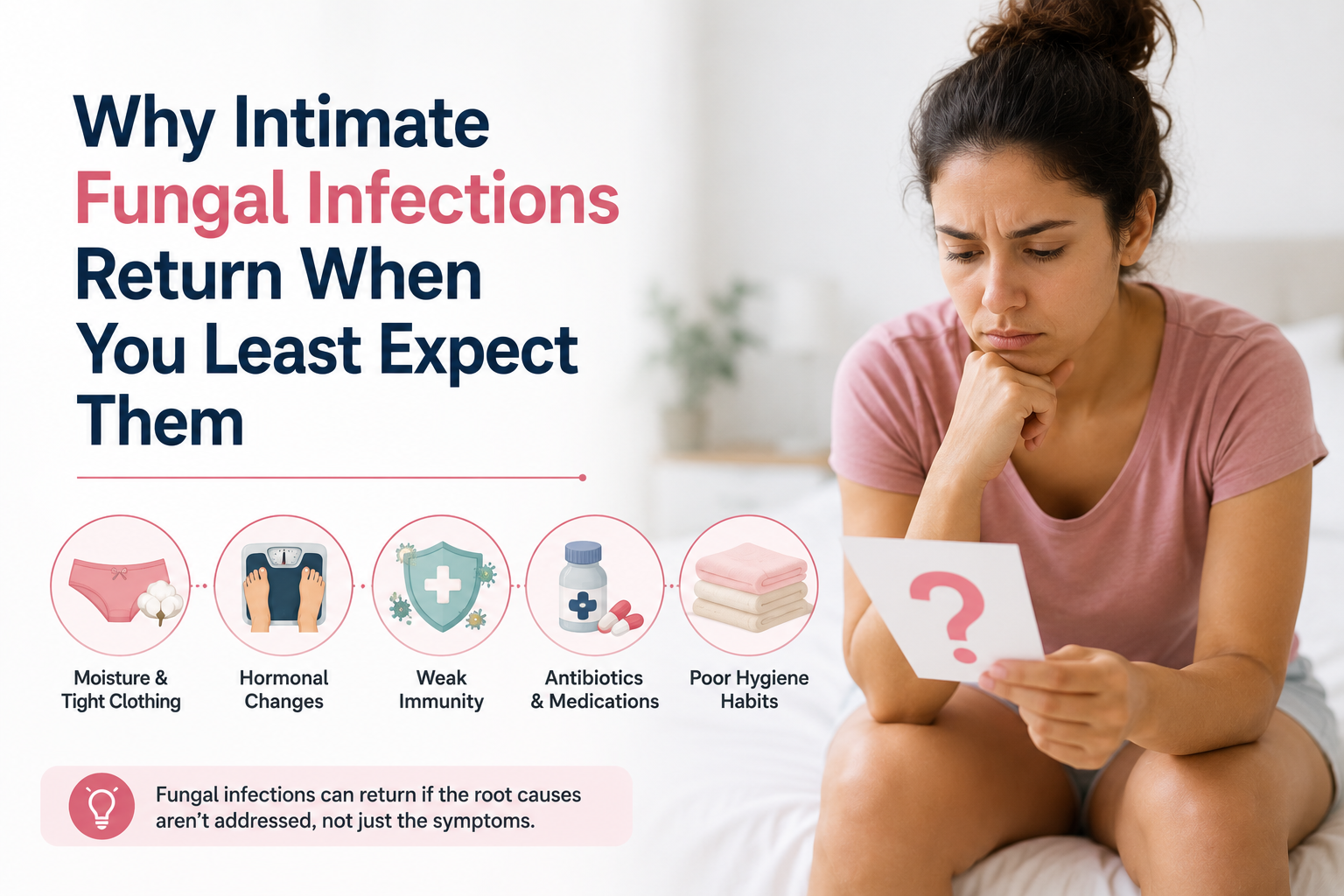
Intimate fungal infections can be uncomfortable, frustrating, and sometimes surprisingly persistent. Even after symptoms such as itching, redness, burning, or unusual discharge improve, the infection may return later. This can happen when the underlying trigger has not been identified or when the condition is mistaken for another type of intimate skin problem.
Intimate fungal infections can be uncomfortable, frustrating, and sometimes surprisingly persistent. Even after symptoms such as itching, redness, burning, or unusual discharge improve, the infection may return later. This can happen when the underlying trigger has not been identified or when the condition is mistaken for another type of intimate skin problem.
For people looking for Fungal Infection Treatment in Surat, understanding why these infections recur is an important first step toward choosing appropriate care.
Why Do Intimate Fungal Infections Keep Coming Back?
A fungal infection does not always return simply because the previous treatment “did not work.” In some cases, the environment that allowed the infection to develop in the first place remains unchanged.
1. Excess Moisture Can Create a Favourable Environment
Fungi tend to thrive in warm and moist areas. The intimate region can naturally retain heat and moisture, particularly during hot and humid weather.
Sweating, staying in wet clothes for long periods, or not changing damp underwear promptly may create conditions that favour fungal growth.
This is particularly relevant in Surat's warm and humid climate, where sweating can become more noticeable during much of the year.
2. The Infection May Not Be Completely Cleared
Symptoms can improve before the underlying infection has fully resolved. Stopping treatment early or using an unsuitable product may allow symptoms to return.
However, recurrent symptoms should not automatically be assumed to be another fungal infection. A healthcare professional may need to determine whether the original diagnosis was correct.
3. Antibiotics Can Sometimes Contribute
Antibiotics are useful for treating bacterial infections, but they can also alter the normal balance of microorganisms in the body.
In some people, this change may allow Candida yeast to multiply excessively, potentially leading to symptoms of a yeast infection.
This is one reason why recurrent symptoms following antibiotic use deserve proper evaluation rather than repeated self-medication.
4. Blood Sugar May Play a Role
People with poorly controlled diabetes can be more susceptible to certain fungal infections.
Persistently elevated blood glucose can create an environment that makes fungal overgrowth more likely and may contribute to repeated episodes.
If intimate fungal infections occur frequently, a healthcare professional may consider whether underlying factors such as blood sugar control need attention.
5. Tight or Non-Breathable Clothing May Increase Irritation
Very tight clothing can trap heat and moisture while increasing friction around sensitive skin.
Wearing breathable underwear, changing out of sweaty clothing, and keeping the area comfortably dry can help reduce moisture-related irritation.
6. The Problem May Not Actually Be a Fungal Infection
This is one of the most important points people often overlook.
Itching, redness, burning, irritation, or discharge do not automatically mean a fungal infection.
Similar symptoms may occur with:
- Bacterial infections
- Contact dermatitis
- Allergic reactions
- Eczema
- Certain sexually transmitted infections
- Other inflammatory skin conditions
- Irritation caused by soaps, washes, fragrances, or topical products
When symptoms keep returning despite treatment, reassessing the diagnosis becomes important.
Why Self-Treatment May Not Solve Recurrent Symptoms
Over-the-counter antifungal products may seem like an easy solution, particularly when symptoms resemble a previous infection. But repeatedly treating yourself without confirming the cause can create problems.
If the condition is not fungal, an antifungal product may not address the actual problem. Similarly, using multiple intimate products can sometimes increase irritation and make symptoms harder to interpret.
A better approach is to identify what is causing the recurring symptoms and then choose treatment accordingly.
What Does Fungal Infection Treatment in Surat Involve?
The appropriate treatment depends on the location, severity, recurrence, suspected organism, medical history, and whether another condition could be responsible.
Depending on the clinical assessment, treatment may involve:
- Appropriate antifungal medication
- Topical treatment for localized infections
- Oral medication when medically appropriate
- Management of contributing factors
- Advice on intimate hygiene and moisture control
- Evaluation for recurrent or underlying conditions
Treatment should be individualized rather than based solely on symptoms found in an online search.
How Can You Reduce the Risk of Recurrence?
Simple daily habits can support intimate skin health:
Keep the Area Dry
After bathing or sweating, gently dry the area rather than leaving it damp.
Choose Breathable Clothing
Cotton or other breathable fabrics may help reduce excessive moisture and friction.
Change Out of Wet Clothes
Do not remain in sweaty workout clothing or wet swimwear for prolonged periods.
Avoid Harsh Intimate Products
Strong fragrances, unnecessary antiseptics, and harsh soaps can irritate sensitive skin.
Avoid Unnecessary Antibiotics
Antibiotics should only be used when prescribed for an appropriate bacterial infection.
Do Not Repeatedly Self-Medicate
If symptoms keep returning, professional evaluation is more useful than repeatedly trying different creams.
When Should You Seek Medical Care?
Consider professional evaluation if:
- Symptoms keep returning.
- Itching or burning is severe.
- There is significant redness, swelling, or pain.
- Symptoms do not improve with appropriate treatment.
- There is unusual or foul-smelling discharge.
- You develop sores, blisters, or bleeding.
- You are unsure whether the symptoms are caused by a fungal infection.
- You have other health factors that may increase infection risk.
For persistent intimate symptoms, an accurate diagnosis can prevent unnecessary treatment and help identify the right management approach.
At Elegance Clinic, Dr. Ashutosh Shah and the clinical team can assess intimate skin concerns and recommend an appropriate treatment approach based on individual symptoms and needs.
Fungal Infection Treatment in Surat: Why Diagnosis Matters
When an intimate fungal infection keeps returning, the goal should not simply be to suppress the symptoms temporarily. The more useful question is why the symptoms are recurring in the first place.
Identifying potential triggers such as moisture, irritation, medication use, underlying health factors, or an incorrect initial diagnosis can help guide better management.
If you are searching for Fungal Infection Treatment in Surat, choosing professional evaluation can be especially important when symptoms are persistent or recurrent.
Conclusion
Recurring intimate fungal infections can have several possible causes, and repeated symptoms do not always mean that the same infection has returned. Moisture, sweating, antibiotics, blood sugar problems, irritation, and incorrect diagnosis can all play a role.
If intimate itching, redness, burning, or discomfort keeps coming back, do not rely only on repeated self-treatment. Professional assessment can help determine whether the problem is actually fungal and what treatment may be appropriate.
Looking for Fungal Infection Treatment in Surat?
If you are experiencing recurring intimate itching, irritation, redness, or suspected fungal infection, contact Elegance Clinic for a professional evaluation. Dr. Ashutosh Shah can help assess your symptoms and guide you toward an appropriate treatment plan based on your individual condition.
Book a consultation today to understand the cause of recurring intimate symptoms and explore suitable treatment options.
Have a Private Question?
Every concern deserves an honest answer. Book a confidential consultation with Dr. Ashutosh Shah at Elegance Clinic, Surat, for guidance made just for you.

About the Author
Dr. Ashutosh Shah is a cosmetic gynecologist and plastic surgeon with over 22 years of experience. At Elegance Clinic in Surat, he is known for safe, honest and completely confidential intimate and aesthetic care.
What is the most common reason intimate fungal infections keep coming back?
Recurring infections may be associated with moisture, sweating, antibiotic use, diabetes, irritation, or an underlying condition that has not been properly diagnosed.
Can fungal infections in intimate areas be treated?
Yes. Appropriate antifungal treatment can help manage fungal infections, but the treatment depends on the specific diagnosis and severity.
Can poor hygiene cause intimate fungal infections?
Fungal infections are not simply caused by being “unclean.” Excess moisture, sweating, irritation, and other factors can contribute to fungal overgrowth.
Can antibiotics cause a fungal infection?
Antibiotics can sometimes alter the normal microbial balance, which may allow Candida yeast to overgrow in susceptible individuals.
Is intimate itching always caused by a fungal infection?
No. Intimate itching can also result from dermatitis, allergies, bacterial infections, irritation, and other skin or genital conditions.