
What Makes Exosome Therapy a Regenerative Approach to Vaginal Rejuvenation?
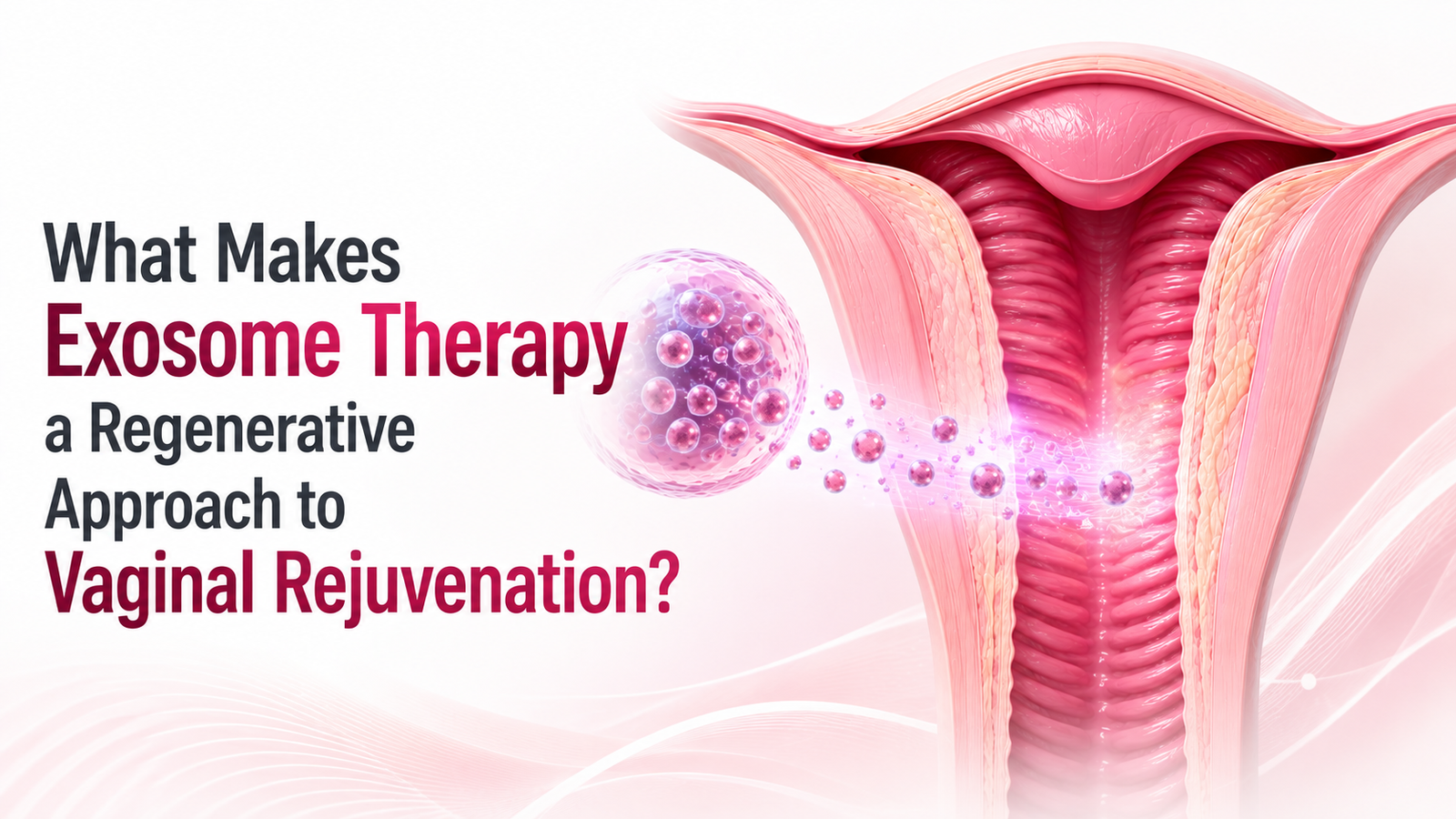
When women experience changes in vaginal tissue, dryness, reduced elasticity, discomfort or other intimate concerns, the solution does not always have to begin with surgery. Advances in regenerative medicine have introduced newer approaches that focus on supporting the body's natural tissue environment rather than simply changing its appearance.
When women experience changes in vaginal tissue, dryness, reduced elasticity, discomfort or other intimate concerns, the solution does not always have to begin with surgery. Advances in regenerative medicine have introduced newer approaches that focus on supporting the body's natural tissue environment rather than simply changing its appearance.
Exosome therapy is one emerging regenerative approach being explored for vaginal and intimate tissue health. Exosomes are tiny extracellular vesicles involved in cell-to-cell communication. They can carry proteins, lipids and other biological signals that may influence processes associated with inflammation, tissue repair and cellular communication.
This has created growing interest in Exosome Therapy for Vaginal Rejuvenation in Surat as a non-surgical option for women looking for personalised intimate wellness care.
However, it is important to understand that exosome-based treatments are an evolving area of medicine. Current evidence is encouraging, but protocols, product sources and clinical outcomes are not yet standardised across all applications.
What Is Exosome Therapy?
Exosomes are microscopic extracellular vesicles released by cells. Rather than being whole stem cells, they act as biological messengers that can transport various molecules between cells.
In regenerative medicine, researchers are studying whether these signals can help influence processes such as:
- Cellular communication
- Tissue repair
- Inflammatory responses
- Blood-vessel formation
- Extracellular matrix activity
- Tissue recovery and regeneration
This is why exosomes have attracted attention in aesthetic and regenerative medicine. Recent reviews describe their potential role in tissue repair and rejuvenation, while also emphasising the need for better standardisation and stronger clinical evidence.
Why Is Exosome Therapy Considered Regenerative?
The word regenerative refers to an approach that aims to support tissue function and repair rather than simply treating a surface-level symptom.
The underlying concept of exosome therapy is different from a conventional cosmetic procedure. Instead of focusing only on altering tissue structure mechanically, exosome-based approaches are being investigated for their ability to influence cellular communication and the biological environment around tissues.
For vaginal rejuvenation, this may make the approach particularly interesting when the goal involves supporting tissue quality, hydration, elasticity and overall intimate tissue health.
Research into regenerative gynecology is expanding, although experts continue to point out that many regenerative techniques require better-quality clinical evidence before their benefits can be considered firmly established.
How Could Exosomes Support Vaginal Tissue?
The proposed mechanism is based on the signalling activity of extracellular vesicles.
Depending on their source and preparation, exosomes may contain biological molecules that communicate with recipient cells. Researchers are investigating whether these signals can influence pathways associated with tissue repair, inflammation and vascularisation.
In vaginal tissue, researchers are particularly interested in whether regenerative approaches could support:
1. Tissue Repair
Healthy tissue continuously undergoes processes of renewal and repair. Exosome research is examining whether extracellular vesicles can influence cellular pathways involved in these processes.
2. Cellular Communication
One of the most important characteristics of exosomes is their role as biological messengers. They can transfer signalling molecules between cells, potentially influencing how recipient cells behave.
3. Inflammatory Regulation
Inflammation can affect tissue health and recovery. Some laboratory and preclinical research suggests that extracellular vesicles may have anti-inflammatory effects, although clinical applications require careful evaluation.
4. Tissue Environment
Regenerative medicine increasingly focuses on the surrounding tissue environment rather than one isolated cell type. Exosomes are being investigated because they may influence multiple biological pathways simultaneously.
What Vaginal Concerns May Lead Women to Explore Regenerative Treatments?
Women may explore intimate wellness treatments for different reasons, including changes associated with:
- Ageing
- Hormonal changes
- Menopause and perimenopause
- Postpartum tissue changes
- Vaginal dryness
- Reduced tissue elasticity
- Intimate discomfort
- Changes in overall vaginal tissue quality
However, these symptoms can have many causes. Vaginal dryness, pain or discomfort should not automatically be assumed to require a regenerative procedure.
A proper consultation is important to identify the underlying cause and determine whether an exosome-based approach is appropriate.
Is Exosome Therapy the Same as Stem Cell Therapy?
No. Exosome therapy and stem cell therapy are not the same treatment.
Stem cells are living cells that can have the ability to differentiate and interact with surrounding tissues. Exosomes are extracellular vesicles released by cells and function primarily as carriers of biological signals.
This distinction is important because exosome therapy is often described as a cell-free regenerative approach.
Current research is investigating how these vesicles may reproduce or influence some of the signalling effects associated with regenerative biology without administering whole cells.
What Does Vaginal Exosome Therapy Involve?
The exact treatment protocol depends on the product, delivery method, clinical indication and medical assessment.
A typical consultation may involve:
Step 1: Understanding your concern
Your doctor discusses symptoms, previous treatments, hormonal status, childbirth history and your expectations.
Step 2: Clinical assessment
The vaginal and intimate health concerns are assessed to determine whether regenerative treatment is appropriate.
Step 3: Discussing treatment suitability
If an exosome-based procedure is being considered, the doctor should explain the intended purpose, available evidence, expected outcomes, limitations and potential risks.
Step 4: Treatment planning
The method and number of sessions depend on the individual treatment protocol rather than following a universal schedule.
Step 5: Follow-up
Follow-up helps assess your response and determine whether any further treatment or conventional medical care is needed.
What Are the Potential Benefits?
Because exosome therapy remains an evolving field, it is more appropriate to discuss potential benefits rather than guarantee specific results.
Depending on the treatment and individual circumstances, regenerative approaches may be explored to support:
- Vaginal tissue quality
- Tissue hydration
- Elasticity
- Recovery and repair
- Intimate tissue wellness
- Certain symptoms associated with tissue changes
This is an important distinction for patients: promising early findings do not mean that every exosome treatment has proven effectiveness for every vaginal concern.
Who May Consider Exosome Therapy for Vaginal Rejuvenation?
A woman may be considered for regenerative intimate treatment when she has a specific concern related to vaginal or vulvovaginal tissue and conventional assessment indicates that the treatment may be appropriate.
Potential candidates may include women experiencing tissue changes associated with:
- Menopause
- Perimenopause
- Postpartum changes
- Age-related tissue changes
- Vaginal dryness
- Changes in tissue elasticity or quality
But suitability cannot be determined from symptoms alone.
A qualified medical professional should evaluate the individual's symptoms, medical history, medications, hormonal status and possible underlying conditions before recommending treatment.
Who May Not Be a Suitable Candidate?
Exosome therapy may not be appropriate for everyone.
A medical consultation is particularly important when symptoms could indicate:
- Vaginal or pelvic infection
- Unexplained bleeding
- Active inflammatory conditions
- Significant pelvic pain
- Unexplained urinary symptoms
- A suspected gynaecological disorder
- Other conditions requiring conventional medical treatment
Regenerative treatment should not replace diagnosis and evidence-based management of an underlying medical condition.
Is Exosome Therapy Safe?
Safety depends heavily on the source, preparation, quality, sterility, delivery method and clinical protocol of the product being used.
This is one of the most important considerations when choosing an exosome-based treatment.
The scientific literature has highlighted concerns regarding inconsistent preparation methods, product characterisation and limited clinical evidence.
Patients should therefore ask:
- What is the source of the exosomes?
- How is the product prepared and characterised?
- What quality-control measures are followed?
- What evidence supports the proposed use?
- Who will perform the procedure?
- What are the possible risks and alternatives?
Regulatory status also varies by country and product. For example, the U.S. FDA states that there are currently no FDA-approved exosome products and warns consumers about unapproved products marketed as regenerative therapies.
Exosome Therapy vs Traditional Vaginal Rejuvenation
The right approach depends on the underlying concern.
Traditional vaginal rejuvenation procedures may focus on structural modification, while regenerative approaches aim to support the biological environment of the tissue.
| Approach | Main Concept |
|---|---|
| Surgical vaginal procedures | Structural modification |
| Energy-based treatments | Controlled energy delivered to tissue |
| Hormonal management | Addresses hormone-related tissue changes |
| Exosome-based approaches | Investigates biological signalling and tissue-support mechanisms |
| Personalised intimate wellness | Treatment selected according to the underlying concern |
There is no single treatment that is ideal for every woman.
The most appropriate option depends on why the tissue has changed, what symptoms are present and what outcome the patient wants to achieve.
Why Personalised Assessment Matters in Surat
Women searching for Exosome Therapy for Vaginal Rejuvenation in Surat may come across many different claims online. Because regenerative medicine is developing rapidly, it is important to separate established medical information from promotional promises.
At Elegance Clinic, the focus should be on understanding the individual's intimate health concerns before discussing whether a regenerative approach is suitable.
Under the guidance of Dr. Ashutosh Shah, patients can discuss their concerns, treatment expectations, possible alternatives and the limitations of currently available evidence before making a decision.
What Results Should You Expect?
One of the most important things to understand is that regenerative treatment does not guarantee an identical outcome for every patient.
Results may depend on:
- Age
- Hormonal status
- Tissue condition
- Underlying medical issues
- Treatment protocol
- Product characteristics
- Number of sessions
- Individual healing response
It is better to approach exosome therapy with realistic expectations rather than expecting instant or permanent rejuvenation.
Why Exosome Therapy Is Generating Interest
The growing interest in exosome therapy comes from its potential to influence biological signalling without introducing whole stem cells.
Recent research in aesthetic medicine has identified promising findings, but researchers also emphasise heterogeneity between studies and the need for standardised protocols.
For vaginal rejuvenation specifically, the evidence base is still considerably smaller than for many established gynaecological treatments.
That makes medical evaluation particularly important.
Conclusion: Is Exosome Therapy a Regenerative Approach to Vaginal Rejuvenation?
Yes, exosome therapy is considered an emerging regenerative approach because it focuses on biological signalling and tissue-support mechanisms rather than only structural alteration.
Its potential comes from the ability of exosomes to communicate biological signals that may influence tissue repair, inflammation and cellular activity. However, vaginal applications are still being researched, and stronger clinical evidence, standardised protocols and long-term safety data are needed.
If you are considering Exosome Therapy for Vaginal Rejuvenation in Surat, the best first step is a personalised medical consultation. Discuss your symptoms, goals, treatment options, expected outcomes and alternatives with a qualified professional before proceeding.
Book a Consultation in Surat
Looking for personalised guidance about non-surgical intimate rejuvenation?
Contact Elegance Clinic to discuss whether an exosome-based regenerative approach may be appropriate for your individual concerns. A medical consultation can help you understand your options and make an informed decision based on your symptoms and treatment goals.
Have a Private Question?
Every concern deserves an honest answer. Book a confidential consultation with Dr. Ashutosh Shah at Elegance Clinic, Surat, for guidance made just for you.

About the Author
Dr. Ashutosh Shah is a cosmetic gynecologist and plastic surgeon with over 22 years of experience. At Elegance Clinic in Surat, he is known for safe, honest and completely confidential intimate and aesthetic care.
What is Exosome Therapy for Vaginal Rejuvenation?
Exosome therapy is an emerging regenerative approach that uses extracellular vesicles to support cellular communication and tissue-related processes.
How does exosome therapy work for vaginal rejuvenation?
Exosomes may deliver biological signals that influence processes involved in tissue repair, inflammation and cellular activity, although vaginal applications are still being studied.
Can exosome therapy help vaginal dryness?
Exosome therapy is being investigated for vaginal dryness associated with tissue changes, but it should not be considered a guaranteed treatment for every cause of dryness.
Is exosome therapy the same as stem cell therapy?
No, exosomes are extracellular vesicles released by cells, while stem cell therapy involves administering living cells.
How long does vaginal exosome therapy take?
Treatment time depends on the specific exosome product, delivery method and clinical protocol used.
Is vaginal exosome therapy safe?
Safety depends on the product source, preparation, sterility, delivery method and clinical protocol, so these factors should be discussed with a qualified medical professional.