
What is Episiotomy Scar Correction?
Episiotomy Scar Correction is the planned care of the scar left by the small cut made at the vaginal opening during delivery, beginning with assessment, massage, moisturisers and physiotherapy rather than an operation. Most such scars settle with time and simple attention, therefore the first job is deciding whether yours is healing normally or genuinely stuck. Treatment is then matched to that finding. Surgery exists as a later option, however it is rarely the starting point.
What is normal healing after an episiotomy?
Normal healing feels sore for two to three weeks, looks pink and slightly raised for a few months, then gradually fades and flattens. Stitches dissolve by themselves during the first month, so nothing needs removing. Some tightness while sitting is expected early, meanwhile the itching that appears around the second week usually signals healing rather than infection. Remodelling of scar tissue continues for up to a year. Because of that long timeline, judging your final result at six weeks is far too early.
What signs suggest the scar is not healing well?
Warning signs are pain that increases instead of fading, a scar that stays hard and raised beyond six months, or skin that splits repeatedly at the same point. Watch for these patterns.
- Sharp pain in one identical spot, especially at first entry during intercourse
- A thick ridge, or a deep dimple that pulls the skin inwards
- Persistent itching, burning or stinging when urine touches the area
- Foul smelling discharge, fever or spreading redness, which need urgent review
- A small tag of tissue that snags on clothing
- Bleeding from the scar line months after delivery
| Feature | Normal healing | Needs review |
|---|---|---|
| Pain | Fades week by week | Increases or returns sharply |
| Feel of the scar | Softens after three months | Stays hard and ropey past six months |
| Skin | Intact and slowly fading | Splits again in the same spot |
| Intimacy | Comfortable by three months | Sharp catching pain at entry |
How is the scar assessed?
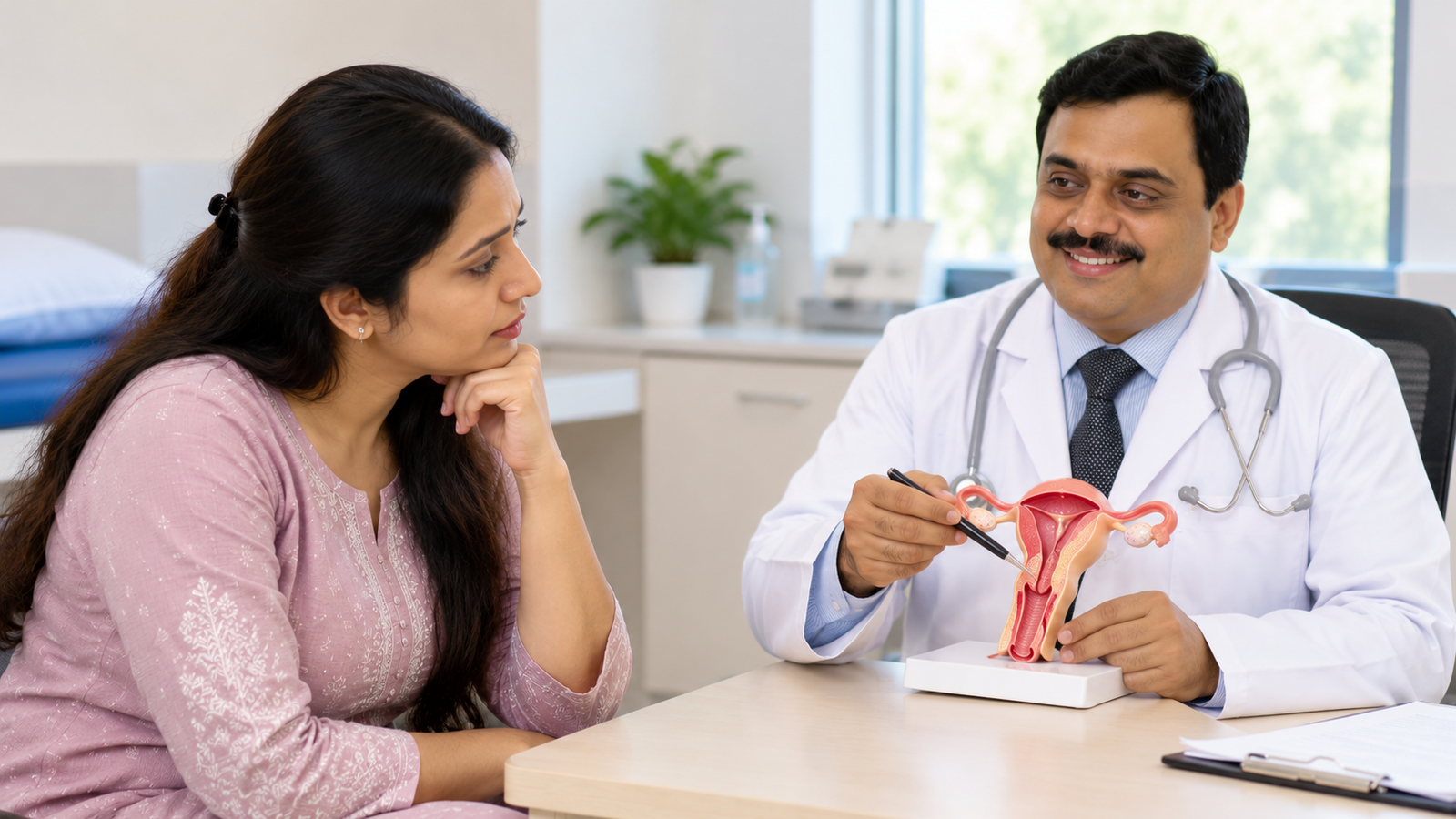
Assessment starts with a careful history, covering how the delivery went, whether the wound broke down early and exactly when the pain appears. Inspection follows in good light, and the doctor notes colour, height, direction and whether the tissue is tethered underneath. Gentle pressure with a moist swab identifies tender points precisely, therefore treatment can target them. Pelvic floor tone is felt separately, because guarding of these muscles is extremely common after a difficult birth. Photographs are taken only with your consent, and records stay confidential.
How do I care for the scar in the early weeks?
Early care is mostly about keeping the area clean, dry and free from tension while the wound knits together. Rinse with plain warm water after using the toilet, then pat dry with a soft towel instead of rubbing. Cotton underwear lets air circulate, meanwhile tight synthetic clothing traps moisture and delays healing. Cold packs wrapped in cloth ease swelling during the first few days. Prevent constipation with fibre, fluids and a stool softener, because straining is the commonest cause of an early wound breakdown. Avoid soaps, antiseptic lotions and home remedies on the wound itself.
Does scar massage really work?
Massage genuinely helps most women, since steady pressure softens collagen fibres and stops the scar sticking to the layers beneath. Start only once the wound has fully closed, usually around four to six weeks, and only after your doctor agrees. Use a clean fingertip with a plain oil or a simple moisturiser, then press firmly enough to blanch the tissue without causing sharp pain. Work in small circles and also across the line of the scar for a few minutes daily. Consistency beats intensity, therefore short sessions repeated over months achieve far more than occasional vigorous rubbing.
What creams and other treatments help?
Silicone gel is the best studied option for softening a raised scar, and it goes on thinly once the skin is intact. Local oestrogen cream suits tissue that is thin and fragile after delivery, particularly while breastfeeding, though it is prescribed rather than bought casually. Plain moisturisers reduce itching. Topical anaesthetic gel, used briefly before intimacy, can break the cycle of pain and anticipation. A steroid injection into a thick, ropey band is occasionally offered by a specialist. By contrast, turmeric pastes and strong antiseptics often irritate delicate tissue further.
Can physiotherapy and dilators help?
Pelvic floor physiotherapy helps a great deal, because a scar rarely causes pain in isolation and the surrounding muscles tighten protectively. A trained physiotherapist teaches relaxation before strengthening, which is the opposite of what most women expect. Graded dilators stretch the entry slowly and rebuild confidence, so intimacy becomes possible again without dread. Breathing techniques reduce the reflex clench that makes examination difficult. Above all, this work needs weeks of steady practice rather than one session.
How long should I wait before considering surgery?
Waiting at least six months, and often a full year, is sensible because scars soften considerably during that period. Symptoms that are steadily improving need patience rather than a scalpel. Meanwhile breastfeeding keeps oestrogen low, therefore tissue that feels tight today may feel quite different once periods return. Exceptions do exist, since an obviously broken down wound, a retained stitch or a firm band blocking entry can be dealt with sooner. Your doctor will say plainly which group you fall into.
When is surgery the right answer?
Surgery becomes reasonable when a well defined scar still causes repeatable pain after six to twelve months of proper conservative care. Detailed information about that operation, including technique, recovery and risks, is set out on our page about episiotomy scar revision. Where the deeper muscle anchor has also been damaged, a wider perineoplasty may be discussed instead. Broader techniques for other intimate scars appear under genital scar revision. Importantly, this page stops where the operating theatre begins.
What does treatment cost in India?
Non surgical care costs far less than surgery, since it involves consultations, prescribed creams and a course of physiotherapy. Fees in rupees differ between cities, clinics and the number of sessions required. Elegance Clinic gives a clear written estimate after examination, covering exactly what your plan includes. Physiotherapy is usually charged for each session, so ask how many are anticipated. Avoid packages that promise a fixed outcome, because no honest clinic can predict how a scar will remodel.
What are the common myths?
The most damaging myth is that painful intimacy after childbirth is permanent and must be tolerated quietly. Many women wait years before asking for help, which is unnecessary. Another myth claims every episiotomy needs a later operation, whereas the majority settle with time and simple care. Some believe massage will tear the stitches, though gentle massage after full closure is safe. Others expect laser to erase the mark completely, yet no device removes a scar entirely. Finally, hiding the problem from your partner tends to increase pain rather than reduce it.
Why choose Elegance Clinic?
Elegance Clinic in Surat begins with assessment and conservative treatment, so Episiotomy Scar Correction here does not automatically mean an operation. Dr. Ashutosh Shah explains what is normal, what is not, and what each option can realistically achieve. Appointments stay private, unhurried and supported by female staff. You are told honestly when waiting is the wiser choice.
If discomfort after delivery has lingered longer than you expected, a private consultation with Dr. Ashutosh Shah in Surat is a gentle first step. Bring details of your delivery and anything already tried. Together you can decide what genuinely needs doing, and what may safely be left alone.
Note: This page is for general information and is not a substitute for a medical consultation.
Ready to Talk, Privately?
Book a confidential consultation with Dr. Ashutosh Shah. There is no pressure, only clear and honest guidance.