
What are Symptomatic Large Breasts?
Symptomatic Large Breasts are breasts whose weight and volume cause genuine physical problems, not simply an appearance a woman dislikes. Doctors also use the word macromastia. That distinction matters, because the situation is medical rather than cosmetic and is treated as such. Our parent page on breast reduction surgery describes the operation itself. Below we look at the symptoms, at what is tried before surgery, and at what reduction can honestly relieve.
Which symptoms are caused by breast weight?
Weight carried on the front of the chest pulls the shoulders forward and loads the neck and upper back all day long. Typical complaints include:
- Aching in the neck, shoulders and between the shoulder blades, worse by evening.
- Deep grooves cut into the shoulders by bra straps, sometimes tender or numb.
- Lower back pain arising from the change in posture.
- Sore, damp, red skin in the fold beneath the breast, often with fungal infection and an odour.
- Rubbing and rashes that flare in hot, humid weather.
- Numbness or tingling running down an arm.
Notably, these complaints tend to arrive as a group rather than singly, and they persist for years.
How does it affect daily life and sleep?
Daily life narrows in small ways that add up. Running, aerobics, yoga and gym classes become uncomfortable or embarrassing, so exercise falls away and weight often rises, which makes everything worse. Clothes rarely fit, since anything sized for the chest hangs loose at the waist. Sleep suffers too, because lying on either side drags the tissue and some women can only settle with a pillow supporting the breast. Concentration at work drops when the neck aches from morning onwards. Many women also describe avoiding photographs and social events, and that burden is real even though it never shows on examination.
Which breast changes need assessing before surgery is planned?
A set of findings must be investigated first, because they can indicate breast cancer rather than simple heaviness. Report any of these to a doctor promptly, before reduction or any cosmetic surgery is arranged.
- A lump you have not felt before, one that is enlarging, or one that feels hard and anchored.
- Any discharge from a nipple, particularly bloody discharge or discharge from a single side.
- Recent turning in or retraction of a nipple.
- Skin that is dimpled, puckered or carries the coarse texture of orange peel.
- Pain confined to one breast that will not settle, or two sides becoming rapidly unlike each other.
Assessment means examination together with imaging, usually ultrasound in younger women and mammography from the forties onwards, and sometimes a needle biopsy. Reduction waits until that process has finished. Reassuringly, most findings prove harmless, although the checking is never skipped.
What is tried before surgery?
Non surgical measures come first, and for some women they are enough. A professional bra fitting is the single most useful step, since a large proportion of women wear the wrong band and cup and get almost no support from it. Wide, padded straps and a firm band spread the load across the back instead of cutting into the shoulders. Physiotherapy helps as well, because strengthening the upper back and correcting posture reduces neck and shoulder pain. Skin care in the fold, keeping it dry and treating fungal infection, settles most rashes. Weight loss reduces breast volume in some women, though not in those whose bulk is mainly glandular. Where such measures fail after a fair trial, surgery moves onto the table as a treatment rather than a luxury.
When is reduction the right treatment?
Reduction becomes the right treatment once symptoms persist despite proper support, physiotherapy and skin care. For Symptomatic Large Breasts it is often the only measure that removes the cause instead of managing the effect, because the load itself comes down. Most women report that neck and shoulder ache eases quickly, that strap grooving disappears and that the fold stays dry. Exercise usually becomes possible again, which brings its own benefits. Satisfaction after reduction is consistently high in published follow up, yet nobody should expect every ache to vanish, since long standing neck problems can have more than one cause.
How is a reduction done?
The operation removes fat, glandular tissue and skin, then reshapes what remains and moves the nipple and areola higher on a preserved blood supply. General anaesthesia is used, and the surgery usually takes two to four hours. Most women stay one night in hospital. Drains are sometimes placed and removed the following day. Liposuction is occasionally added to smooth the sides towards the armpit. Very large reductions may require the nipple to be taken as a graft, which changes both sensation and feeding prospects, so this is discussed in advance whenever the measurements suggest it.
Where do the scars sit?
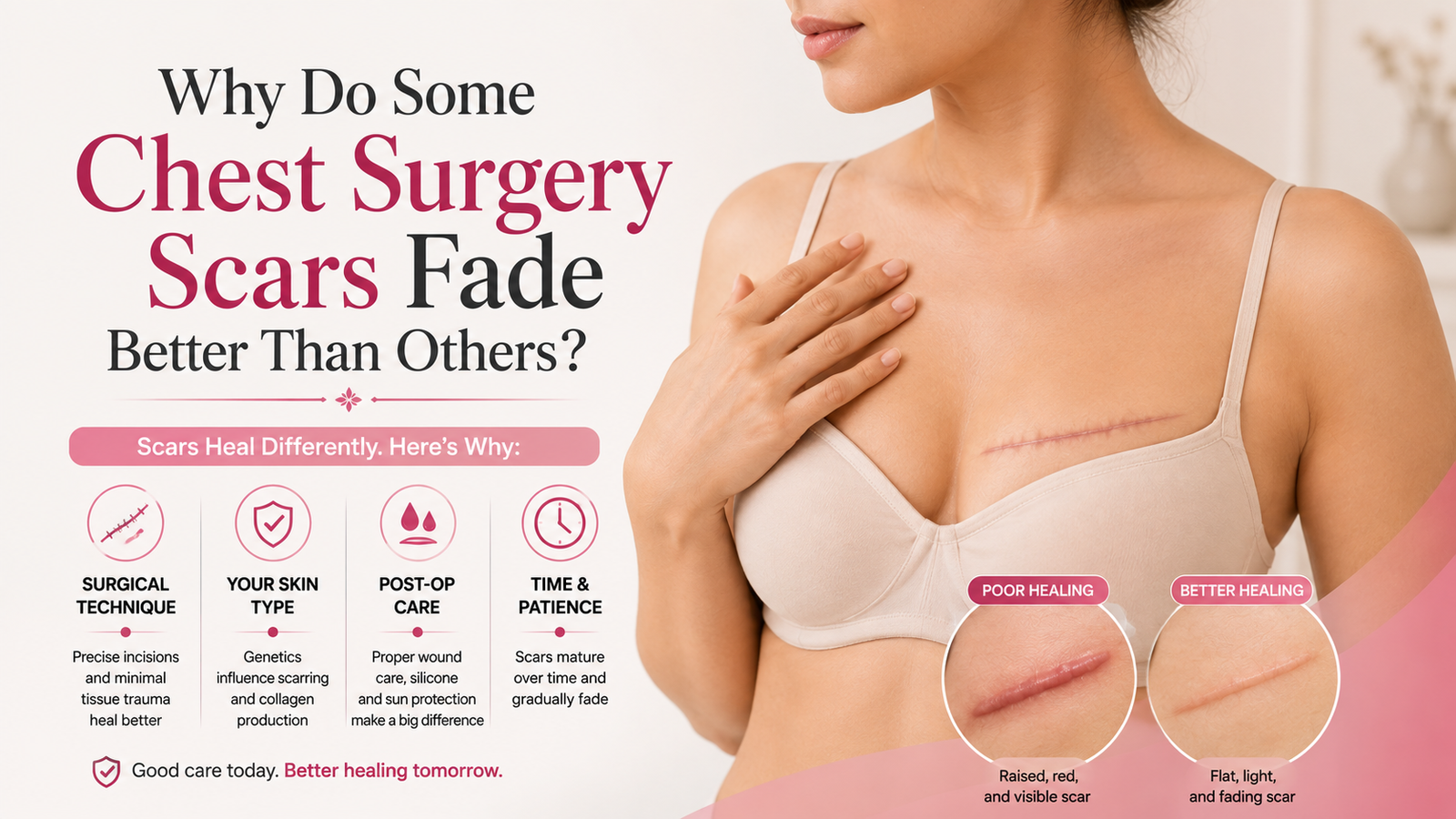
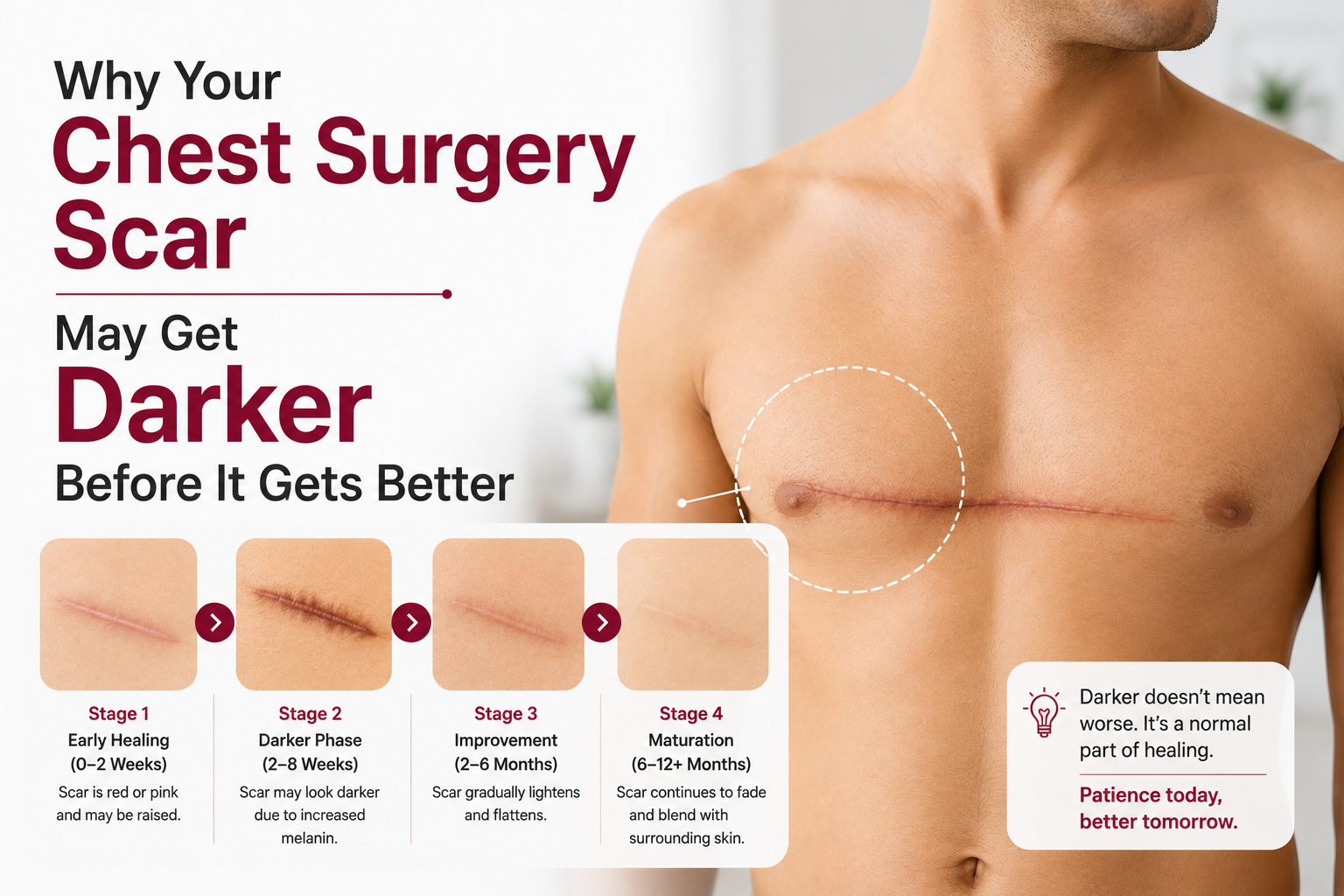
Scars are the honest price of a reduction, and every woman should picture them before agreeing. Two patterns are common. The lollipop pattern leaves a circle around the areola with a vertical line running down to the crease. An anchor pattern adds a third scar lying horizontally within that crease under the breast, where a bra covers it. In both, the circular part usually blends into the edge of the pigmented skin. Expect firm pink lines for three to six months, softening and fading across a year or more. Thicker, raised or keloid scars happen in some skin types, and treatments such as silicone sheets, tape and massage help without erasing them.
Will a reduction affect breastfeeding?
Yes, it may, and that must be weighed before surgery. Removing glandular tissue takes away some milk producing capacity, while cutting near the areola can divide ducts. Where the nipple is moved as a graft, feeding afterwards is unlikely. Techniques keeping the nipple on a tissue pedicle preserve more function, though no method can promise a full supply. Tell your surgeon early if you hope to feed a future baby, since the plan and even the timing can be adjusted around that wish.
What does recovery involve?
Recovery is quicker than most women expect, partly because relief from the weight is immediate. Soreness lasts a few days and responds to tablets. A surgical bra is worn day and night for about six weeks. Office work resumes at one to two weeks, driving once the arms move freely, and gym training at six weeks. Swelling and firmness settle across two to three months, whereas final shape and scar appearance take up to a year. Follow up visits check wound healing early and scar quality later.
What can go wrong?
Reduction is major surgery and carries real risks, which no surgeon should minimise. Bleeding, infection and delayed healing at the junction of the scars are the common problems. Sensation in the nipple changes in many women, sometimes for good, and may be reduced or occasionally uncomfortable. Fat necrosis can leave a firm lump that settles slowly. Asymmetry in size or nipple position occurs and may need a small correction. Smoking, obesity and uncontrolled diabetes raise every one of these risks, so they are addressed before a date is given.
How much does reduction cost in India?
Charges reflect the size of the reduction, theatre and anaesthetic time, the hospital and the length of stay. Some insurance policies do consider reduction where physical symptoms are documented, therefore it is worth asking your insurer what evidence they require. Prices are given in rupees, and no figure appears here, since an estimate without examination would be unreliable. Following consultation you receive a clear written estimate covering everything.
Why choose Elegance Clinic?
Symptoms are taken seriously here rather than dismissed as vanity, and non surgical steps are properly explored before an operation is offered. Dr. Ashutosh Shah explains sizes, scars and feeding honestly, and will say when surgery is not appropriate for you. Choices across the breast and chest aesthetics pillar are set out for comparison, while related conditions are addressed rather than ignored.
Where neck, shoulder or back pain from breast weight is limiting your life, a private consultation with Dr. Ashutosh Shah in Surat will tell you honestly where you stand, and you may get in touch whenever you are ready.
Note: This page is for general information and is not a substitute for a medical consultation. Any new breast lump, nipple change or skin change should be assessed by a doctor before considering cosmetic treatment. Results vary between individuals and no outcome can be promised.
Ready to Talk, Privately?
Book a confidential consultation with Dr. Ashutosh Shah. There is no pressure, only clear and honest guidance.