What is Post Mastectomy Reconstruction?
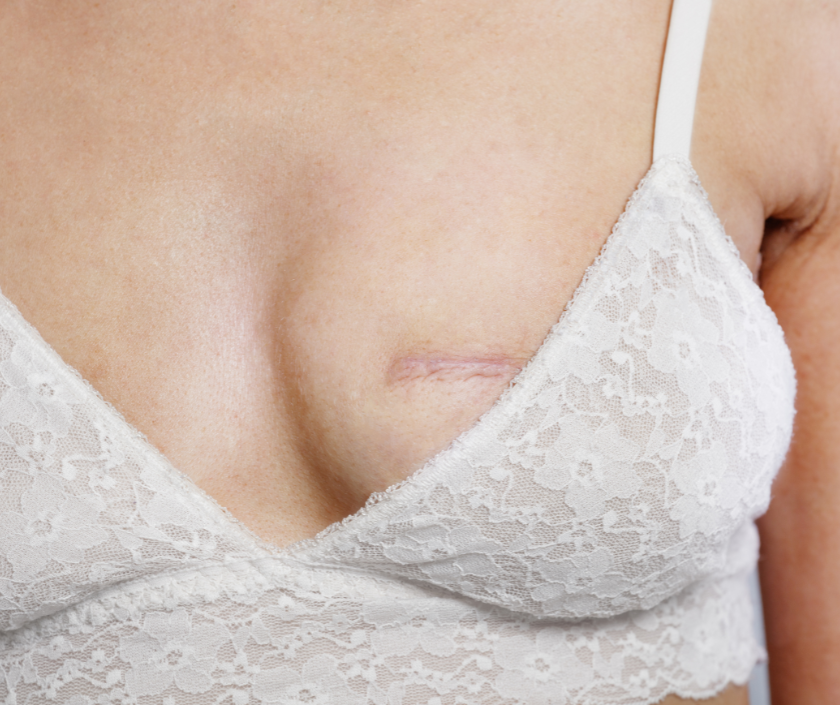
Post Mastectomy Reconstruction is surgery that rebuilds the shape of a breast after all or part of it has been removed to treat cancer. It is not a cosmetic upgrade, since it follows cancer surgery and sits inside a wider treatment plan. Some women choose it, others prefer an external prosthesis or nothing at all, and each of those decisions is entirely reasonable. Nothing has to be settled quickly, because the option stays open for years after the original operation.
Does cancer treatment come first?
Yes, always. Treating the cancer leads, and any rebuilding follows the oncology plan rather than the other way round. Decisions are made with a multidisciplinary team, which usually includes the breast surgeon, the medical and radiation oncologists, the radiologist, the pathologist and the reconstructive surgeon. Nurses and counsellors belong to that team as well, and talking to someone who is not making the surgical decision often helps. Above all, no woman should feel hurried into choosing a method while she is still absorbing a diagnosis.
Should it be immediate or delayed?
Both are used, and the choice depends on the tumour, the treatment planned and on what you want. Immediate means rebuilding starts during the mastectomy itself, which can mean fewer procedures and preserves the skin envelope. Delayed means waiting until cancer treatment is finished, which keeps full attention on the cancer first and allows time to think. Neither is better in general, therefore the decision is made case by case with the team.
How does planned radiotherapy change the decision?
Radiotherapy has a strong influence, because treated tissue heals and behaves differently for years. Where radiotherapy is planned, many teams prefer to delay definitive reconstruction, or to place a temporary expander and complete the work later. Irradiated skin becomes firmer and less elastic, so problems such as capsular contracture around an implant are considerably more common. Discuss the radiation plan early, therefore, since it shapes the whole sequence of operations.
What are the main options in plain words?
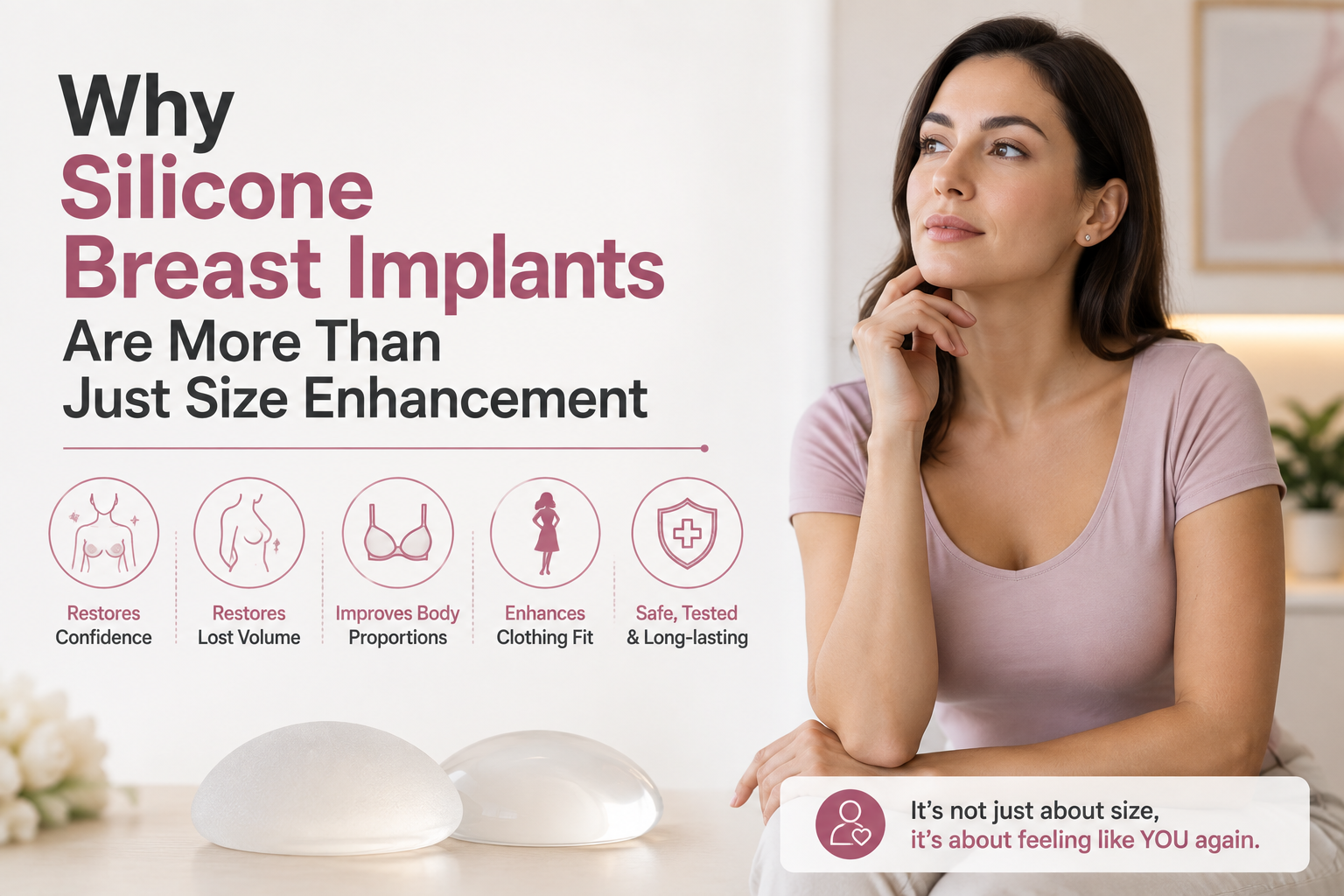
Two broad routes exist, and they can be combined. Implant based reconstruction uses a silicone or saline device, often after a tissue expander has slowly stretched the skin across some weeks. Reconstruction with your own tissue, called flap surgery, moves skin and fat, sometimes with muscle, from the abdomen, back or thigh to build a breast shape. Recovery is longer with your own tissue and there is a second scar, although the shape tends to feel softer and to age more like the other side.
| Approach | What it involves | Main trade offs |
|---|---|---|
| Implant based | Expander and then an implant, or a direct implant | Shorter surgery with no second site, though further operations are likely later |
| Your own tissue | Skin and fat moved from abdomen, back or thigh | Longer surgery and an extra scar, with a softer and more durable shape |
| Combined | A flap with an implant, or fat grafting to refine | Useful where tissue is thin or has been irradiated |
What must I know about implants?
Implants are not lifetime devices, so they do not last forever and further surgery to exchange or remove them is likely at some point. Capsular contracture, where scar tissue tightens around the device and changes its shape or causes pain, can occur and may need revision surgery, and it is more frequent after radiotherapy. Rupture is also possible and can be silent with silicone, therefore follow up imaging is advised. Two further points deserve naming plainly:
- BIA ALCL, breast implant associated anaplastic large cell lymphoma, is a rare cancer of the immune system linked mainly with textured surface implants. It is rare, yet it is real, so any late swelling around an implant should be reported promptly.
- Breast implant illness is the term used for a range of systemic symptoms that some women report after implants. Reports are taken seriously and discussed openly, without either dismissing them or overstating what is currently understood.
Devices of this kind are also unsuitable for teenagers, since the chest should be physically mature first.
Why is it usually more than one operation?
Reconstruction is normally staged, so most women have two or three procedures spread over months rather than one long day in theatre. First the shape is built with an expander, implant or flap, then the tissues are left to settle. Later stages refine size and the fold beneath, add fat grafting to smooth contours and, where wished, adjust the other side for balance. Thinking of it as a journey rather than a single event makes the process far less disheartening.
When is the nipple and areola done?
Nipple and areola work comes last, once the mound has settled and its position is stable. Building it too early risks the wrong position, because a rebuilt breast keeps changing shape for months. Techniques include forming a small nipple from local skin flaps with medical tattooing for colour, or tattooing alone for a three dimensional effect. Some women are content without this stage, and stopping earlier is perfectly acceptable.
Which changes should be reported promptly?
Certain changes need prompt assessment rather than waiting for a routine appointment, because they can be signs of breast cancer in the remaining breast or a problem at the operated site. Examination and imaging are how these are sorted out, and cosmetic refinement is never the first step. Tell your team without delay about:
- a new or growing lump on either side, or one that feels hard or fixed
- nipple discharge, especially when it is bloody or comes from one side
- a nipple that has newly turned inward or become retracted
- skin dimpling, puckering, an orange peel texture or a new rash on the chest
- persistent one sided pain, or a rapidly changing difference between the two sides
How does it affect screening and imaging?
Implants and fat grafting can make mammograms harder to read, so screening has to be planned rather than assumed. Always tell the radiographer and the radiologist what surgery you have had, because extra or different views are often needed. Fat grafting can produce calcifications and small cysts that must be told apart from cancer on imaging, which sometimes means further tests. Surveillance continues under the oncology team whatever has been rebuilt, therefore every follow up appointment matters.
How will the breast look and feel?
A rebuilt breast is not the same as a natural breast, and hearing that plainly prevents disappointment later. Sensation is usually much reduced and may never return, since the nerves to the skin are divided during a mastectomy. Shape holds well under clothing for most women, whereas the appearance without clothing differs in softness, movement and often in symmetry. Ageing differs too, since a device does not change with weight and time as your own tissue does.
Feeding is another honest point. A rebuilt breast does not produce milk, and where surgery is planned on the other side for balance, the ability to breastfeed from it can be affected, so raise any hope of a future pregnancy with the team early.
What is recovery like and what are the risks?
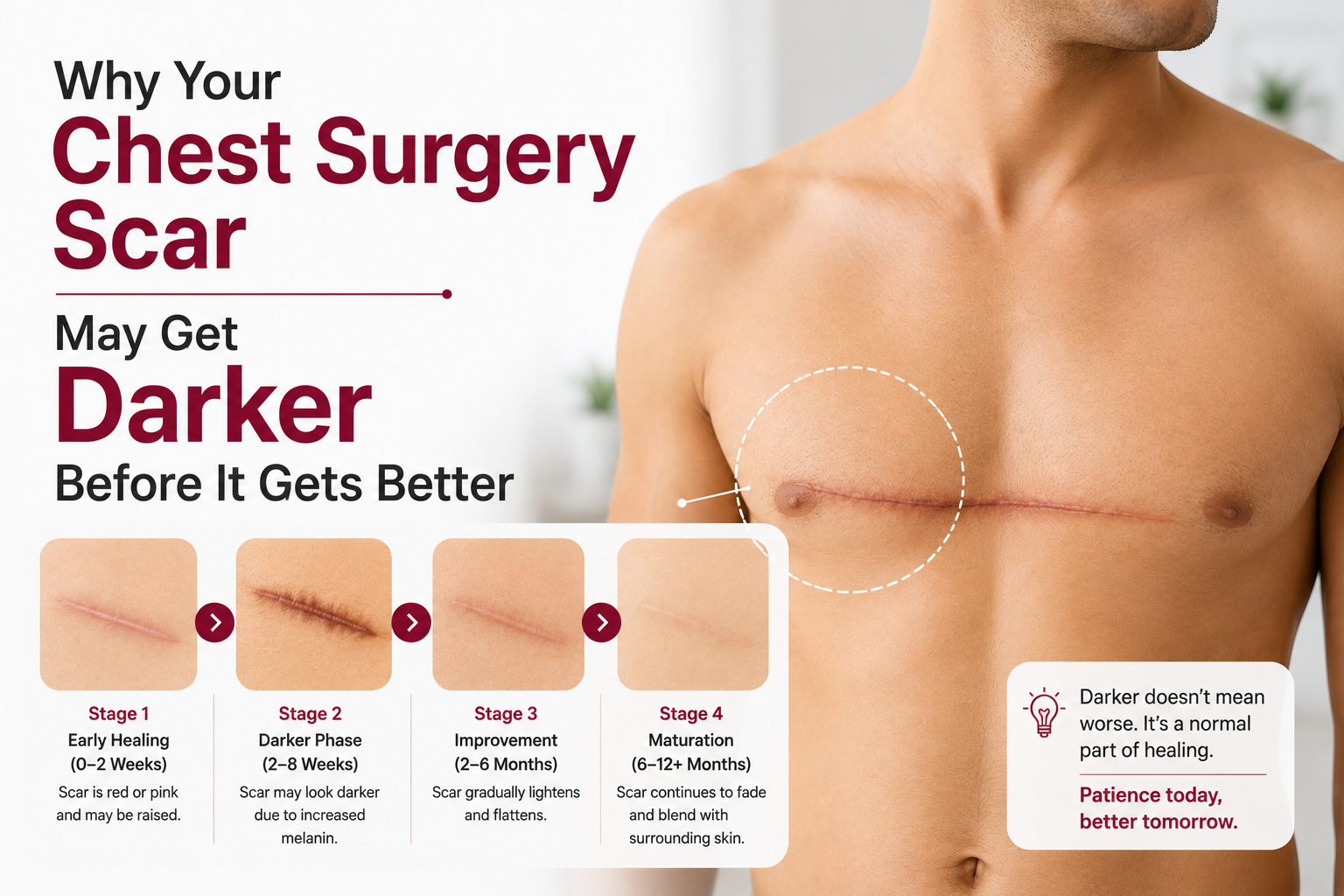
Recovery depends heavily on the method, from a few weeks after a straightforward implant stage to two or three months after a large flap. Drains, restricted arm movement and tiredness are usual, while physiotherapy helps shoulder movement return. No surgery of this size is risk free, and recognised problems include bleeding, infection, wound breakdown, seroma, fat necrosis, partial or complete flap loss, implant exposure, capsular contracture and asymmetry needing revision. Smoking, diabetes, obesity and previous radiotherapy all raise these risks, therefore preparation before surgery is part of the plan.
What does reconstruction cost in India?
Cost varies widely, since an expander and implant pathway, a flap and the later refining stages are very different operations. Charges are in rupees, and a written estimate is given after examination and once the oncology plan is known. Surgery after cancer treatment is often covered at least in part by health insurance in India, so ask the team to help with documentation. Later balancing surgery and nipple work are quoted separately.
Take your time with this decision and ask for counselling if it would help, since talking to a nurse specialist or a psychologist clarifies what many women actually want. Dr Ashutosh Shah consults quietly in Surat, working alongside the treating oncology team, and there is no pressure to choose at a first visit. Post Mastectomy Reconstruction is a personal decision, and choosing not to have it is as valid as going ahead. Further reading sits in the breast reconstruction section, the wider breast and chest pages and under conditions, while the clinic is reached through the contact page.
Note: This page is for general information and is not a substitute for a medical consultation. Any new breast lump, nipple change or skin change should be assessed by a doctor before considering cosmetic treatment. Results vary between individuals and no outcome can be promised.
Ready to Talk, Privately?
Book a confidential consultation with Dr. Ashutosh Shah. There is no pressure, only clear and honest guidance.