What is Inverted Nipple Correction?
Inverted Nipple Correction is a small operation that brings a nipple sitting inward out to a projecting position and holds it there. Tight bands of tissue and short milk ducts pull the nipple down, so the surgery releases or divides them and supports the nipple while it heals. Local anaesthetic is enough in most cases, and women go home the same day. One side or both can be treated in a single sitting.
When is an inverted nipple a warning sign?
A nipple that has newly turned inward or become retracted in an adult, when it was not like that before, is a red flag that must be assessed for breast cancer before any cosmetic correction is considered. Cancer behind the nipple can tether the tissue and pull it in, therefore a recent change deserves examination and imaging without delay. This matters especially when only one side is involved, when there is discharge, or when the skin looks dimpled. By contrast, inversion present since puberty and unchanged since then is not a warning sign. Please do not let embarrassment delay that check, because it is quick and usually reassuring.
Which other breast changes need checking first?
Several changes need prompt medical assessment before any cosmetic procedure is planned, since they can be signs of breast cancer. Examination and imaging such as ultrasound or mammography are how these are sorted out, and cosmetic surgery is never the first step. See a doctor promptly about:
- a new lump, a growing lump, or a lump that feels hard or fixed
- discharge from the nipple, above all when it is bloody or from one side
- skin dimpling, puckering or an orange peel texture
- persistent pain in one breast that does not settle
- a difference between the two sides that is changing quickly
More guidance on when to seek help sits in the wider nipple and areola section. Nothing on any website replaces being examined, however, so please book rather than compare photographs online.
Why does a nipple turn inward?
Most inversion is simply how the nipple formed, which makes it a normal variation rather than a disease. Ducts shorter than the surrounding tissue tether the nipple from beneath, so it sits level with or below the areola. Many women notice it from puberty, and it is common enough that surgeons see it regularly. Infection or inflammation behind the nipple can also cause it, particularly in smokers, and that must be treated before any operation.
What are the grades of inversion?
Surgeons describe three grades in plain terms, and the grade guides both the technique and what to expect. Grade one comes out with cold or gentle pressure and stays out for a while. A grade two nipple can be drawn out but retracts quickly, whereas grade three stays tucked in and resists any attempt to pull it out. Higher grades mean tighter bands and shorter ducts, therefore they need more release and carry a greater effect on feeding.
| Grade | What you notice | Usual approach |
|---|---|---|
| One | Comes out with stimulation or cold, stays out briefly | Minimal release, best chance of sparing the ducts |
| Two | Can be pulled out, then goes back in quickly | Partial release with internal support stitches |
| Three | Stays inward, hard or impossible to draw out | Fuller release, ducts usually divided |
Do suction devices and non surgical methods work?
Suction devices help some women with mild inversion, particularly around pregnancy and feeding, though the effect often fades once the device is stopped. Steady gentle traction over weeks can stretch mild tethering, so it is reasonable to try before considering surgery. Higher grades rarely respond, because the problem is a fixed short band rather than a shortage of stretch. Evidence is limited here and results vary, therefore no device should be sold to you as a certain answer.
Who is a good candidate?
Good candidates are adult women whose inversion is long standing, whose examination and any imaging are clear, and who understand that it can recur. Active infection or an abscess behind the nipple has to be treated first, since operating through inflamed tissue invites failure. Smoking should stop several weeks before and after, because healing here depends on very small vessels. Anyone who may want to breastfeed needs a longer conversation before a technique is chosen.
How is the operation done?
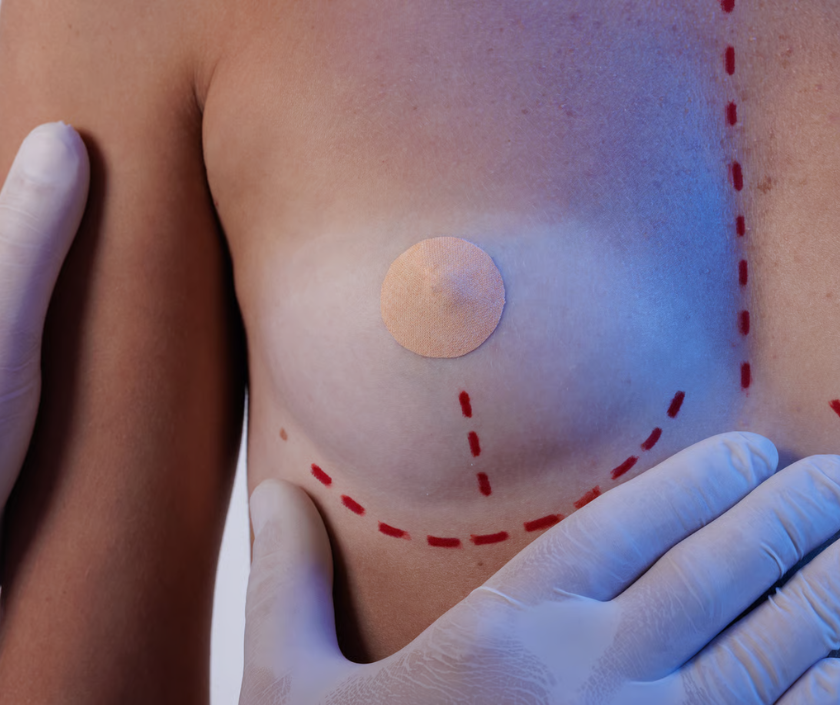
A small incision is made at the base of the nipple, and the tight bands pulling it inward are released. Where short ducts hold it down, they are often divided, which is what allows the nipple to sit out. Internal stitches then build a little support beneath the tip so that it does not fall back in, and a light dressing or protective guard is used for a short period. Most cases take under an hour, and the stitches usually dissolve on their own.
Will it affect breastfeeding?
It can, and that is the most important trade off to weigh up. Because correction often divides the tight ducts that were holding the nipple in, milk flow on that side may be reduced or lost altogether. Duct sparing techniques exist and are preferred where you hope to feed in future, although they carry a higher chance of the nipple drawing back in. Tell the surgeon at the first visit if a pregnancy is planned, so the plan can balance feeding against the risk of recurrence.
What about sensation?
Sensation is usually preserved, yet it can change in either direction. Numbness or heightened sensitivity is common for some weeks, and most women find it settles by three months. Occasionally a lasting difference in feeling remains, which matters because this is a sensitive area for many women. Nerve branches lie close to the tissue being released, therefore some risk is unavoidable.
What is recovery like?
Recovery is quick, and most women are back at work within two or three days. Protecting the nipple from pressure matters more than rest, so a supportive bra with a small guard or dressing ring is worn as advised. Swelling settles within a fortnight, while the final shape becomes clear at about three months. Avoid gym work, swimming and tight clothing over the area for three to four weeks.
What are the risks, and can it come back?
Recurrence is the main risk, and it is more likely with higher grades and with duct sparing methods. Other recognised problems include infection, bleeding, altered sensation, a thickened scar, partial loss of nipple tissue in rare cases, and reduced ability to breastfeed. Because the blood supply here is delicate, smoking and diabetes raise the chance of poor healing considerably. A second smaller procedure is sometimes needed, and that possibility is discussed before you consent, not after.
What is the cost in India?
Cost depends on the grade, on whether one or both sides are treated, and on the anaesthetic used. Fees are quoted in rupees, and a clear written estimate is given after examination so that nothing is added later. Where imaging is advised first, it is charged separately and is worth doing properly. Please be cautious about any fixed price quoted to you without an examination.
Many women live with this quietly for years, assuming nothing can be done or that asking would be awkward. A private consultation with Dr Ashutosh Shah in Surat starts with examination, adds imaging where anything has changed recently, and only then considers whether Inverted Nipple Correction suits you. Related concerns are listed under conditions, and a nipple reduction can be discussed at the same visit if that is also on your mind.
Note: This page is for general information and is not a substitute for a medical consultation. Any new breast lump, nipple change or skin change should be assessed by a doctor before considering cosmetic treatment. Results vary between individuals and no outcome can be promised.
Ready to Talk, Privately?
Book a confidential consultation with Dr. Ashutosh Shah. There is no pressure, only clear and honest guidance.