
What does Mild Stress Urinary Incontinence Support mean?
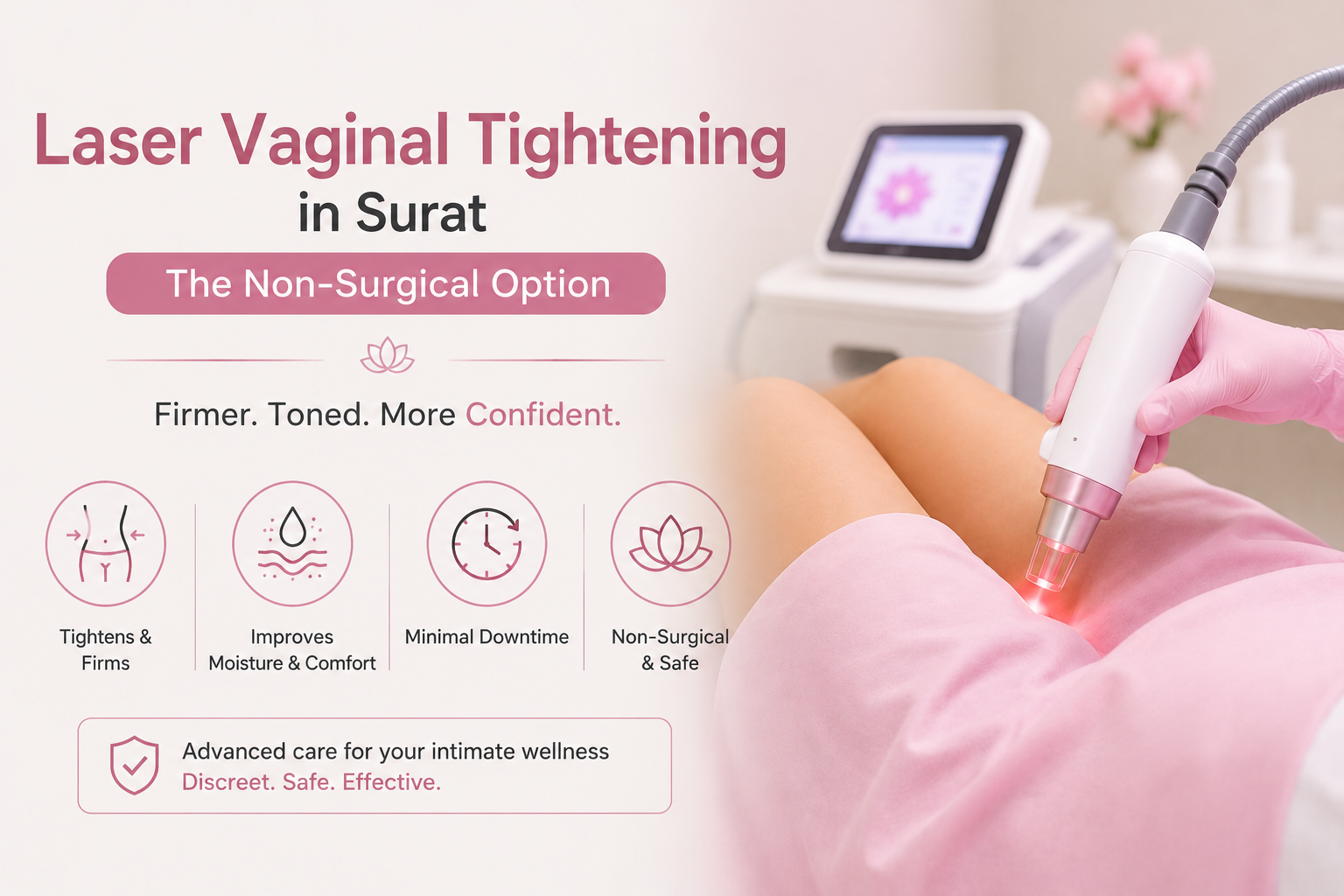
Mild Stress Urinary Incontinence Support means help offered alongside proper medical care, never in place of it. Leaking urine when you cough, laugh, sneeze or exercise is called stress urinary incontinence, and it has established treatments that genuinely work. Energy based devices are not among those established treatments, and regulators have warned specifically about claims of this kind. Therefore, this page begins where it should begin, with assessment and with supervised pelvic floor muscle training. Our laser vaginal tightening page explains the device background in more detail.
What is the established first treatment for leaking urine?
Supervised pelvic floor muscle training is the established first treatment, and it should be tried properly before anything else is discussed. Training means a programme taught and checked by a physiotherapist or a trained nurse, continued for at least three months, not a few squeezes remembered occasionally. Many women who leak have never been taught the exercise correctly, so they wrongly conclude that it does not work for them. Moreover, supervision matters, because a surprising number of women contract the wrong muscles when nobody is checking. Consequently, a referral for proper training is the single most useful step for most women with mild leakage.
Why must leaking urine be assessed first?
Leaking must be assessed because several different problems cause it, and each one needs a different answer. Stress incontinence comes from weak support at the bladder neck, whereas an overactive bladder causes a sudden urgent need with leakage on the way to the toilet. Some women have both patterns at once. Meanwhile, a urine infection, diabetes, certain medicines, chronic constipation, prolapse and, rarely, a fistula or a neurological problem can all present as leaking. Treating the wrong cause simply wastes months. Above all, leakage that is painful, bloodstained or new and rapidly worsening needs urgent assessment, not a cosmetic treatment.
What do regulators say about incontinence claims?
Regulators have singled out urinary incontinence as an area of particular concern for these devices. The US Food and Drug Administration has issued a safety communication warning against the marketing of energy based devices for vaginal laxity, dryness, sexual function and urinary incontinence, and it has described reported harms including burns, scarring and lasting pain. Professional bodies including the American College of Obstetricians and Gynecologists say the evidence does not support efficacy claims. At Elegance Clinic such treatments therefore follow a full gynaecological assessment, and they are offered only where a woman clearly understands that the evidence is limited. In short, no device here is presented as a treatment for incontinence.
Which treatments are actually established?
Established care for stress incontinence is well defined, and most of it is not surgical. The usual sequence includes:
- Supervised pelvic floor muscle training for at least three months
- Weight reduction where weight is a contributing factor
- Treating constipation and a chronic cough, since both raise pressure
- Reviewing caffeine, fluid habits and any medicine that may worsen leakage
- A vaginal pessary or continence device for support in selected women
- Surgery where symptoms are significant and conservative care has not been enough
Where an operation is appropriate, it is discussed openly with its own risks and benefits. However, mild leakage very often improves with training alone, therefore sensible care starts there.
Where could an energy based device possibly fit?
A device might be considered only as possible support alongside proper care, once assessment is complete and training has genuinely been done. Some women report a small reduction in leaking for a period after a course, while others report no change at all. Because the evidence is limited and the reports are inconsistent, nothing can be promised. Meanwhile, continuing pelvic floor training remains essential, since stopping it would remove the one measure known to help. Consequently, any device treatment here is framed as an addition, never as a replacement or a fix. Further context sits on our non surgical rejuvenation page.
Who should not consider this at all?
Many women should not consider a device, and they are told so plainly. It is inappropriate where there is:
- Leakage that has never been assessed by a doctor
- Urgency and frequency suggesting an overactive bladder
- Significant prolapse, which needs its own assessment
- Continuous leaking, or leaking that soaks through clothing
- Blood in the urine, pain on passing urine or a suspected infection
- Pregnancy, or delivery within the last three months
- A neurological condition affecting bladder control
Furthermore, women with severe leakage should be assessed for established treatment rather than offered anything unproven.
What happens at the assessment?
Assessment starts with a careful history of when, how much and in what situations you leak. A bladder diary kept for three days is genuinely useful, because memory of leaking is unreliable. Examination checks pelvic floor strength, prolapse and the health of the vaginal skin. Meanwhile, a simple urine test excludes infection and sugar in the urine. Where the picture stays unclear, referral for bladder function testing may be advised before any decision. Only after all of this is treatment discussed at all.
What does a session involve and what is recovery like?
A session is done awake, takes about twenty minutes, and needs very little recovery. Warmth is delivered through a slim probe inside the vagina, in short passes. Afterwards, mild warmth or light discharge may last a day, while intercourse and tampons are avoided for roughly a week. Nevertheless, pelvic floor exercises continue throughout, exactly as they were taught. Should burning pain, fever or bleeding appear, contact the clinic promptly rather than waiting for the next appointment.
What results are realistic?
Realistic expectations are modest, uncertain and short lived if any effect occurs at all. Mild Stress Urinary Incontinence Support offered this way may reduce how often some women leak, while for others it changes nothing. Any benefit that does appear tends to fade, so repeat treatment is often suggested later. Importantly, no responsible clinic can tell you that leaking will stop. Therefore, judge a plan by how thoroughly you were assessed, not by how confident the promise sounded.
What are the risks?
Risks include burns, blistering, scarring, pain that lasts, and worsening of the very symptom you came with. Scar tissue in the vaginal wall can cause discomfort during intimacy afterwards. Infection is uncommon, yet it remains possible. Above all, the largest risk is delay, because months spent on an unproven treatment are months not spent on training or on proper assessment. Consequently, we would rather send you for physiotherapy than take your money for a device.
What does it cost in India?
Sessions are charged in rupees per visit, while supervised physiotherapy usually costs far less across the same months. That comparison is put to you openly, because the cheaper route has the better evidence behind it. Any written terms should say what happens if you decide to stop after one session. Following examination, you will receive a clear written estimate covering assessment, tests and anything discussed. Nothing is quoted over the telephone, since the plan depends on what the assessment finds.
Why start with an assessment in Surat?
Starting with an assessment means the cause of your leaking is identified before anything is sold to you. Dr. Ashutosh Shah will examine you, arrange the tests that are needed and refer you for supervised pelvic floor training where that is the right answer. Elegance Clinic in Surat keeps these consultations private, unhurried and free of pressure, with a female attendant present. If leaking is affecting your daily life, you are welcome to arrange a private consultation and be assessed properly.
Note: This page is for general information and is not a substitute for a medical consultation. Non surgical intimate treatments are not specifically approved by regulators for these uses, evidence of benefit is limited, and results vary between individuals. Dr. Ashutosh Shah will advise honestly whether a treatment is appropriate for you.
Ready to Talk, Privately?
Book a confidential consultation with Dr. Ashutosh Shah. There is no pressure, only clear and honest guidance.