
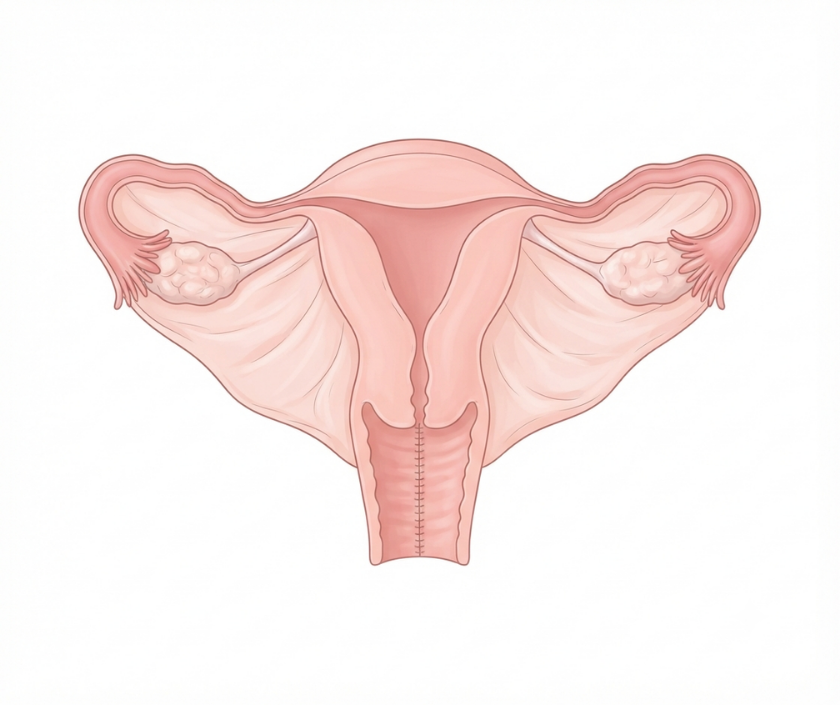
What is hysterectomy with ovarian preservation?
Hysterectomy with Ovarian Preservation removes the uterus and cervix while keeping one or both ovaries. Rather than taking out all reproductive organs, it leaves ovarian tissue in place. Because the ovaries stay, they continue to play a role in your hormone balance. For many transmasculine and nonbinary people, this ends periods and the need for cervical care. Through keyhole surgery, recovery is often quicker than with open surgery.
Who might choose to keep their ovaries?
People who choose to keep their ovaries often do so for hormone or fertility reasons. Some want to retain the option of using eggs in future, while others prefer to keep natural hormone tissue. Because these decisions are personal, the plan is always individual. Good general health and settled, informed choices both matter. Above all, keeping the ovaries is respected as a valid choice.
Why might someone preserve the ovaries?
Someone might preserve the ovaries to keep future fertility options or a source of natural hormones. Although testosterone is usually taken, ovarian tissue can still matter to some people. For those considering biological children, eggs may be retrievable later. Meanwhile, keeping ovaries avoids a sudden change if hormones are ever paused. As a result, the choice is discussed carefully before surgery.
How is the operation performed?
The operation is usually performed by keyhole surgery under general anaesthesia. First, small cuts are made for a camera and instruments. Next, the uterus and cervix are carefully separated and removed. After that, the fallopian tubes are often taken out to lower future risk. Because the ovaries are kept, they are left undisturbed. Finally, the small wounds are closed with fine stitches.
What results can I realistically expect?
You can realistically expect an end to periods and to any worry about cervical or uterine problems. Because the ovaries stay, your hormone tissue is largely unchanged. Meanwhile, recovery from keyhole surgery is usually smooth. Since every body differs, outcomes still vary between people. Hysterectomy with Ovarian Preservation aims for a safe, lasting result that fits your goals.
Will keeping my ovaries affect hormones?
Keeping your ovaries means they continue to produce some hormones, which can be helpful. Because you may also take testosterone, the balance is managed with your prescribing doctor. For most people, testosterone use continues as before. Meanwhile, the team explains how retained ovaries fit your hormone plan. You should never change doses yourself around surgery.
What about fertility after this surgery?
Fertility through the uterus ends, since the womb is removed, but retained ovaries keep egg options open. Because eggs may be collected for future use, this is discussed before surgery. Where you may want biological children, preservation is arranged in good time. Meanwhile, the team explains honestly what is and is not possible. So decisions about fertility are made early and calmly.
What are the risks and complications?
This is real surgery, so the risks are named plainly.
- Bleeding, infection, or delayed healing
- Injury to nearby organs such as the bladder or bowel
- Blood clots, which prevention lowers
- Conversion from keyhole to open surgery if needed
- Scarring, which is permanent
Because problems are easier to manage early, follow up is important. The team discusses each risk with you honestly beforehand.
Is it usually one operation?
Yes, this is usually a single operation with no planned second stage. Because keyhole surgery is well established, most people recover without needing further procedures. For a few, a complication may require additional care. Meanwhile, the ovaries can be removed later if your goals change. So the plan stays flexible and is discussed with you.
What is recovery like?
Recovery from keyhole hysterectomy is usually quicker than from open surgery. At first, rest and gentle movement come first, with light pain relief. Because internal healing takes time, heavy lifting waits several weeks. Meanwhile, most people return to desk work within two to three weeks. Fuller recovery continues over the following couple of months.
How does it compare to removing the ovaries too?
Removing the ovaries as well changes hormones and fertility, so honest comparison helps. The table explains.
| Feature | Ovaries kept | Ovaries removed |
|---|---|---|
| Natural hormones | Some retained | Stopped |
| Egg options later | Possible | Not possible |
| Hormone dependence | Lower | Higher |
For wider counselling, reach our dedicated transgender health service. You may also read about metoidioplasty with vaginal preservation.
How do I begin at Elegance Clinic?
Begin with a private consultation with Dr. Ashutosh Shah in Surat, who assesses you and explains the options. During that meeting, he sets out honest outcomes and provides a clear written estimate after examination. Because keeping the ovaries is your choice, it is respected fully. When ready, contact Elegance Clinic for a confidential appointment.
Note: This page is for general information and is not a substitute for a medical consultation. Gender affirming surgery is individualised, carries real risks, is often staged, and outcomes vary between people. Dr. Ashutosh Shah and the team will advise honestly what is appropriate for you.
Ready to Talk, Privately?
Book a confidential consultation with Dr. Ashutosh Shah. There is no pressure, only clear and honest guidance.

