
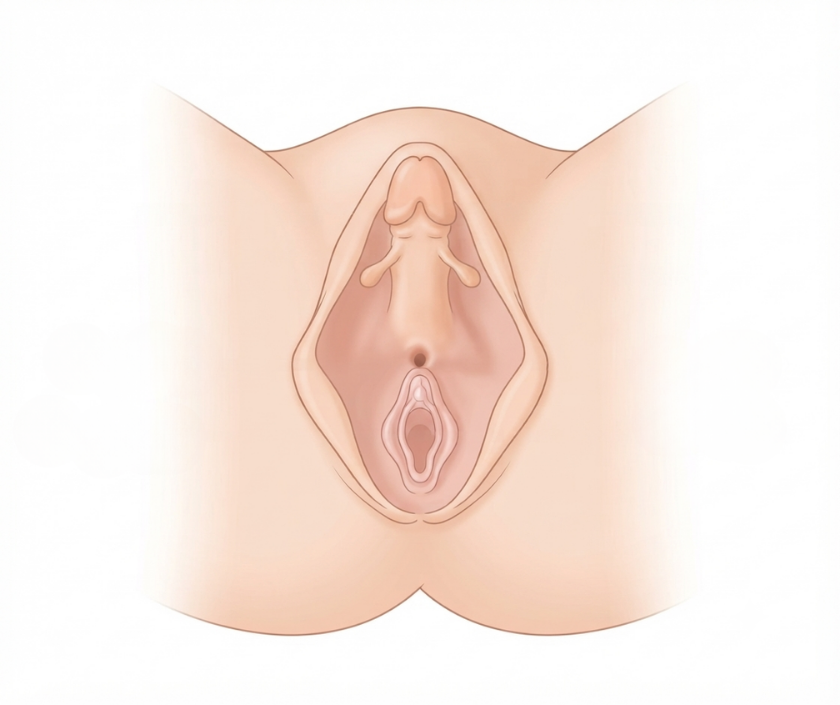
What is metoidioplasty with vaginal preservation?
Metoidioplasty with Vaginal Preservation creates a small phallus from hormone grown tissue while keeping the vaginal canal. Rather than closing the canal, the surgeon retains it at your request. In this technique, the clitoral tissue is released from its ligaments to gain length. Because testosterone enlarges this tissue over time, the result uses your own anatomy. Through careful shaping, a natural, sensate phallus is formed.
Who might choose this option?
People who choose this option want masculinising surgery but wish to keep the vaginal canal. Some value the canal for comfort, identity, or future choices, while others simply prefer to retain it. Because goals differ, the plan is always individual. Good general health and settled decisions both matter. Above all, keeping the canal is respected as a valid, personal choice.
Why keep the vaginal canal?
Keeping the vaginal canal is a personal decision, and there is no single right answer. Although some masculinising plans close the canal for urethral lengthening, others keep it. For those who preserve it, the canal stays available and does not need closing. Meanwhile, urethral lengthening is still possible in some cases, though it adds risk. As a result, the team explains how preservation fits your goals.
How is the surgery performed?
The surgery is performed under general anaesthesia and takes a few hours. First, the surgeon releases the clitoral tissue from its supporting ligaments. Next, this tissue is shaped into a small phallus. After that, the urethra may be lengthened if you have chosen it. Because the canal is kept, it is left in place rather than closed. Finally, the labia may be reshaped into a scrotum if wanted.
What results can I realistically expect?
You can realistically expect a small, sensate phallus that uses your own tissue. Because size depends on hormone grown tissue, it is modest rather than large. Meanwhile, swelling settles over weeks, so the final look takes time. Since bodies differ, outcomes vary between people. Metoidioplasty with Vaginal Preservation aims for a natural result with good sensation rather than maximum length.
Can I still pass urine standing?
Passing urine standing is possible only if urethral lengthening is done and heals well. Because the new urethra is small and complex, fistula and stricture can occur. For this reason, some people choose not to lengthen the urethra. Meanwhile, staged repair can often fix problems that arise. The team explains these honest limits before surgery.
What are the risks and complications?
This is real surgery, so the risks are named plainly.
- Bleeding, infection, or delayed healing
- Urethral fistula or stricture where lengthening is done
- Altered or reduced sensation
- Scarring, which is permanent
- Occasional need for revision
Because problems are easier to manage early, follow up is close. The team discusses each risk with you honestly before you decide.
Is it done in one stage?
The main surgery is often one stage, yet extra steps can be added later. Because scrotoplasty, implants, or urethral work may follow, some people plan more than one operation. For others, a single stage meets their goals. Revision is common in masculinising surgery and is not a failure. So the team plans each stage calmly, without pressure.
What sensation can I expect?
Sensation is usually a strength of this technique, since the phallus is built from clitoral tissue. Because nerves are preserved, erotic feeling is often retained. Still, sensation can change, and this is never fully guaranteed. Meanwhile, healing may take months to settle. The team is honest that outcomes differ between individuals.
What is recovery like?
Recovery is shorter than for a full flap phalloplasty, since the surgery is smaller. At first, rest, wound care, and gentle movement come first. Because a catheter may be needed where the urethra is lengthened, care is explained clearly. Meanwhile, swelling and bruising fade over weeks. Most people resume gentle daily life within a few weeks.
How does it compare to phalloplasty?
Metoidioplasty is smaller and uses existing tissue, while phalloplasty builds a larger phallus. The table sets out the difference.
| Feature | Metoidioplasty | Phalloplasty |
|---|---|---|
| Size | Smaller | Larger |
| Sensation | Often strong | Develops slowly |
| Implant | Not needed | Usually needed |
For wider counselling, reach our dedicated transgender health service. You may also read about phalloplasty with vaginal preservation.
How do I begin at Elegance Clinic?
Begin with a private consultation with Dr. Ashutosh Shah in Surat, who assesses you and explains the options. During that meeting, he sets out honest outcomes and provides a clear written estimate after examination. Because keeping the canal is your choice, it is respected fully. When ready, contact Elegance Clinic for a confidential appointment.
Note: This page is for general information and is not a substitute for a medical consultation. Gender affirming surgery is individualised, carries real risks, is often staged, and outcomes vary between people. Dr. Ashutosh Shah and the team will advise honestly what is appropriate for you.
Ready to Talk, Privately?
Book a confidential consultation with Dr. Ashutosh Shah. There is no pressure, only clear and honest guidance.

