What is Chest Contouring and Liposuction?
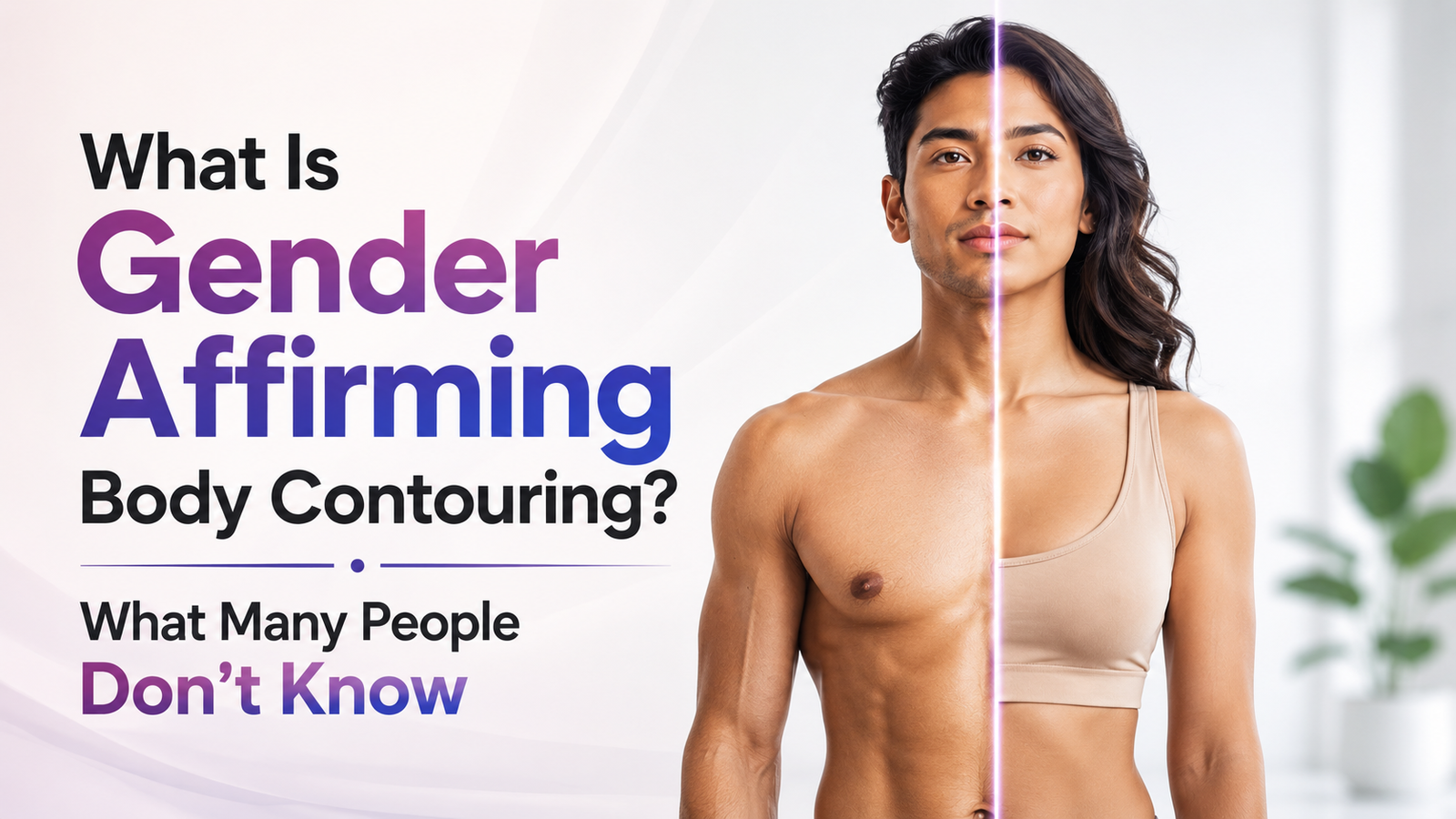
Chest Contouring and Liposuction is contour surgery that draws soft fat out of the chest and its surrounding borders through a few very small openings. Fine cannulas travel under the skin, and fat is taken in a planned pattern rather than emptied from one spot. Because the goal is shape, the edges matter as much as the centre.
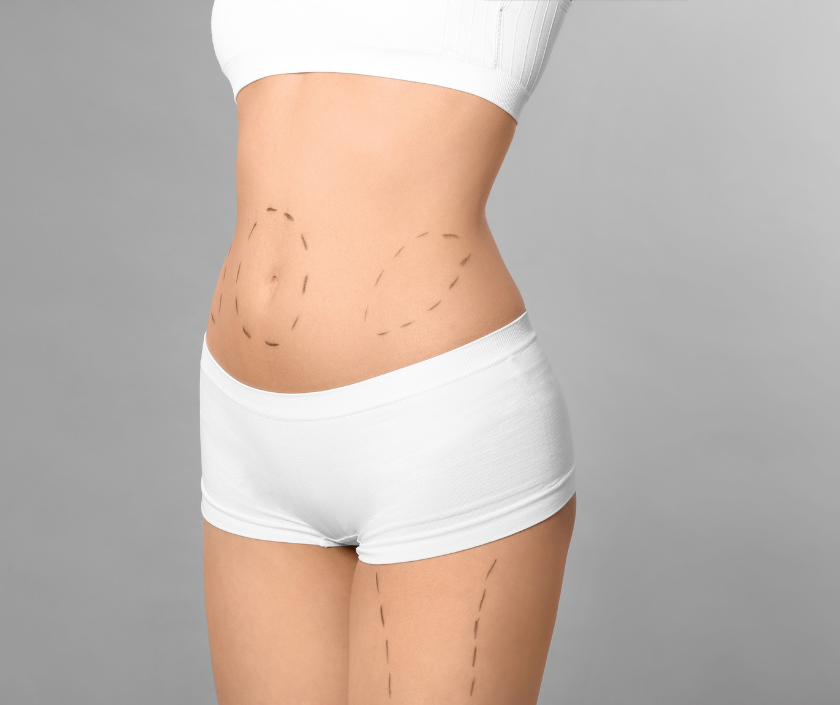
Most of the visible difference comes from transitions, meaning the line where the chest meets the armpit and the side of the ribcage. Blending those borders is what makes a chest read as flat rather than simply smaller. Therefore markings are drawn while you stand, since lying down moves every landmark.
Why do transgender men and non binary people consider chest liposuction?
Many consider it because soft fullness across the chest feels wrong every time they get dressed. Suction reduces that fullness with tiny scars, which matters enormously to anyone who does not want a long incision across the chest. Comfort in a shirt, a gym changing room or a swimming costume drives a great many of these decisions.
Others arrive after top surgery wanting the sides tidied where a little fullness stayed behind. Reasons vary widely, and nobody needs to justify wanting a body that matches who they are. Counselling, journey planning and the wider pathway are covered properly on our dedicated transgender health site, so this page stays with the contouring itself.
Is liposuction a way to lose weight?
No, it is contour work carried out at a stable weight, never a treatment for obesity. Suction safely removes only a limited volume, so the scale usually barely moves afterwards. Instead of chasing kilograms, the operation alters the shape of one region.
Surgeons ask for a settled weight first because later gains and losses will change what was built. Roughly three to six months at a steady figure gives a dependable baseline. Above all, activity, sleep and diet remain the tools for weight itself.
Does chest liposuction remove glandular tissue?
It does not remove gland. Glandular breast tissue is firm and fibrous, so a cannula slides past it while soft fat is drawn away. Consequently a chest with a real disc of gland behind the nipple will still look peaked after suction alone.
Taking that disc out needs excision through a short incision at the areolar border, or a larger operation where the volume is greater. Examination decides which tissue is present, and ultrasound helps when the picture is unclear. Honest assessment now prevents a disappointing result later.
Will suction tighten loose skin?
Loose skin is not corrected by suction, and pretending otherwise would be unfair. Skin does retract a little once the fat beneath it shrinks, yet retraction depends on age, elasticity, stretch marks and the volume removed. Where skin has already stretched, taking fat away can leave it looser rather than smoother.
- Good elasticity with modest fullness and no drooping suits suction alone.
- Clear drooping, or a nipple sitting low on the chest, usually needs skin excision.
- Stretch marks signal that the deeper layer of skin has already given way.
- Large amounts of weight lost almost always leave skin that must be cut away.
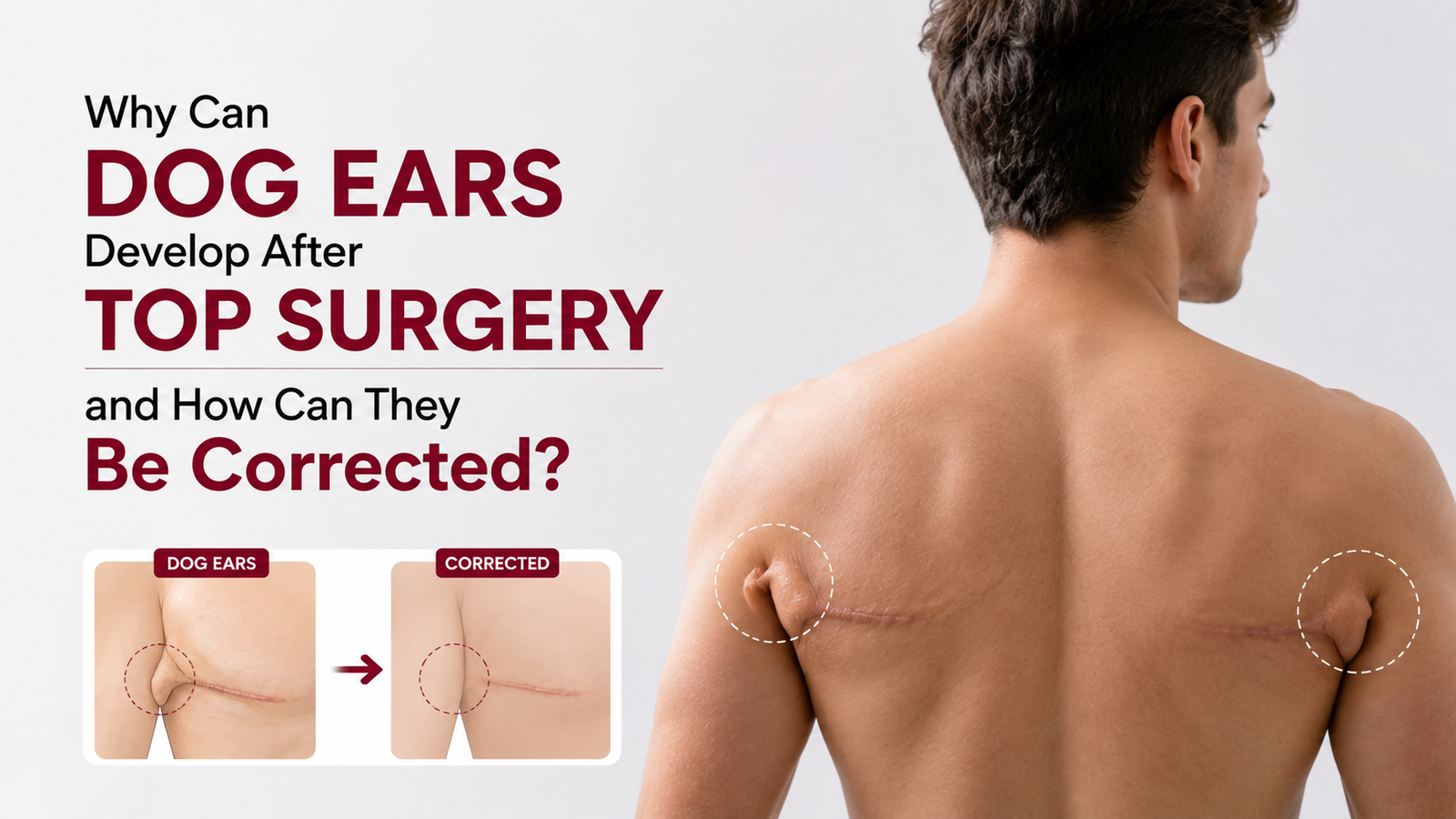
Excision brings scars, however, and those scars are permanent. Double incision top surgery leaves long scars running across the chest, and free nipple grafting commonly reduces or removes nipple sensation. Saying so beforehand is part of consent rather than a scare tactic.
Who is a good candidate?
Good candidates carry soft fatty fullness, have reasonable skin quality, sit at a steady weight and understand what suction cannot reach. General health counts too, since anaesthesia and healing both depend on it. Smoking is stopped well in advance because it interferes badly with wound healing.
Recognised standards of care exist for gender affirming surgery, and assessment, informed consent and sometimes documentation form part of the route. Requirements differ between surgeons, hospitals and countries, so the team will explain exactly what applies to you. Nobody is asked to prove themselves, and the discussion stays practical.
How does it compare with other chest procedures?
Comparison becomes simple once the tissue type is known. The table below sets out what each approach handles and where it stops.
| Approach | Suits | Scars | Main limit |
|---|---|---|---|
| Liposuction alone | Soft fatty fullness with elastic skin | A few tiny openings | Leaves gland and loose skin untouched |
| Liposuction with gland excision | Fatty chest with a firm disc behind the nipple | Short scar at the areolar border | Still limited where skin is slack |
| Peri areolar excision | Moderate volume with fair skin tone | Circular scar around the areola | Puckering and revision are not unusual |
| Double incision with nipple grafting | Larger chest or clearly loose skin | Long permanent scars across the chest | Nipple sensation commonly reduced or lost |
How is the operation performed?
Surgery normally takes about an hour for both sides, under general anaesthesia or sedation depending on the plan. Tumescent fluid is infiltrated first to limit bleeding and bruising. Small openings, usually in the side fold or near the armpit, let the cannula enter from more than one direction.
Crossing those directions gives an even surface, which matters more than emptying any single area. Sides and the armpit tail are feathered outward so no ridge is left at the border. Once symmetry has been checked with you sitting up, the openings are closed and a compression vest goes on.
Does hormone therapy affect the timing?
Hormone therapy alters chest tissue and fat distribution across months and years, so timing genuinely matters. Testosterone tends to move fat away from the chest and hips during the first two years or so, which occasionally reduces how much surgery is needed. Waiting until those changes settle therefore makes the plan more predictable.
Any decision about pausing or continuing hormones around an operation belongs with the prescribing doctor and the surgical team together. Never change a dose on your own, and never on the strength of advice from a forum. Coordination between the two teams is routine and keeps you safer.
What is recovery like?
Recovery is usually straightforward, and most people go home the same day. Soreness and bruising peak within the first few days, then settle across two to three weeks. Compression is worn continuously for roughly four weeks and during the day for a while after that.
- Desk work generally restarts within three to five days.
- Walking early is encouraged, while gym training waits about six weeks.
- Swelling hides the outcome, so shape is judged between three and six months.
- Numb patches over the treated skin are common and usually improve.
What are the risks?
Risks include bruising, seroma, infection, contour irregularity, asymmetry, numbness, pigment change at the openings and, uncommonly, deep vein thrombosis. No operation is risk free, and a small revision is sometimes needed to smooth a residual dip. Revision of this kind is ordinary in contour surgery rather than a failure.
Larger volumes carry more risk, which is one reason sensible limits exist. Smoking, poorly controlled diabetes and thyroid disease all raise complication rates. Listing your medicines, including hormone therapy, at the first visit is important.
What does it cost in India?
Cost in India depends on the areas treated, the volume removed, the anaesthesia used, the garment and whether gland excision is added. Fees are quoted in rupees and usually cover theatre, the compression vest and routine follow up visits. Investigations and any hospital stay appear separately.
Quoting a figure before examining the chest would be guesswork. Instead you receive a clear written estimate after examination, with every item explained. Wider context sits on the chest contouring page, and body proportion work is covered under liposculpture.
Why choose Elegance Clinic in Surat?
Dr. Ashutosh Shah plans Chest Contouring and Liposuction from what examination shows, and he says openly when suction alone will not be enough. Appointments are private and unhurried, and your name and pronouns are used without any fuss. Risks are explained before benefits, which most people find steadying.
Should you be weighing this up quietly, a private conversation in Surat is a reasonable next step. Booking details sit on our contact page. Bring earlier reports, prescriptions and your hormone details along.
Note: This page is for general information and is not a substitute for a medical consultation. Every procedure carries risk, results vary between individuals, and no outcome can be promised. Dr. Ashutosh Shah will advise honestly whether a procedure is appropriate for you.
Ready to Talk, Privately?
Book a confidential consultation with Dr. Ashutosh Shah. There is no pressure, only clear and honest guidance.