What does Tightening of the Vaginal Canal actually mean?
Tightening of the Vaginal Canal means reducing the internal width of the vagina and restoring the support around it. Therefore it is a change in calibre and support, not a change in length. The vagina is a soft, collapsible passage that opens only when something enters it, so tightness is really about resting tone and resistance. Because that tone depends on muscle, connective tissue and lining together, no single treatment fixes every complaint. This page explains the anatomy and the honest limits, while the operation itself is described on our surgical vaginal tightening page.
What is the vaginal canal made of?
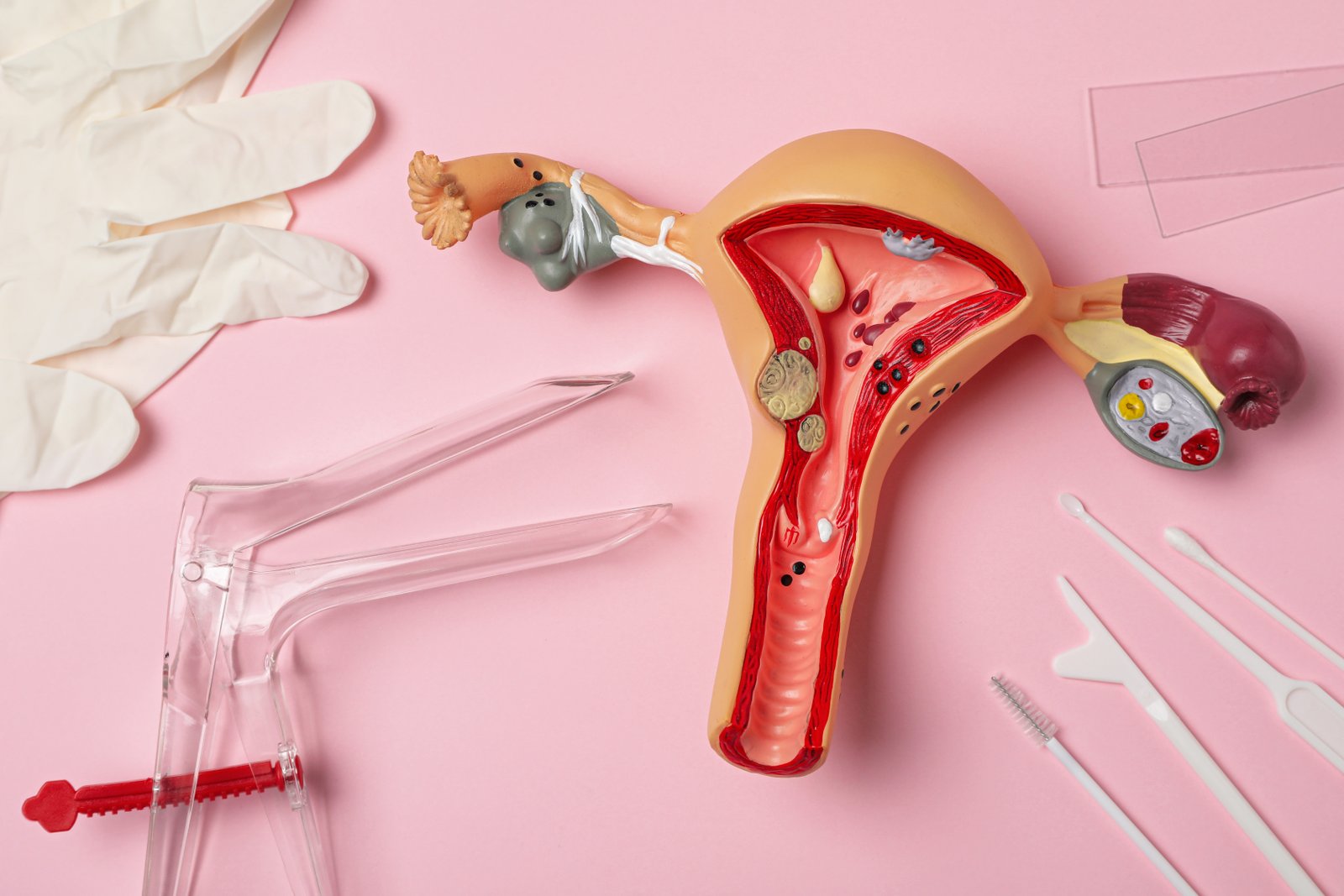
The canal has three working layers, and each behaves differently. Innermost is the mucosa, a folded lining with ridges called rugae that allow stretch. Around it sits a fibromuscular layer of smooth muscle and collagen, which forms the actual body of the wall. Outside that lie the pelvic floor muscles, especially the levator group, which squeeze the canal from the sides. Consequently a treatment that touches only the lining leaves two of the three layers untouched.
What does the word looseness really describe?
Looseness usually describes reduced resistance and grip rather than a measurable hole. Many women report less friction, a sense of openness at the entrance, or a partner noticing the change. Others describe trapped air, tampons that slip, or a feeling that things simply do not sit as they once did. Importantly, these are genuine physical complaints and not imagination. However, the same feeling can arise from weak pelvic floor muscles, from thin dry tissue after menopause, or from a prolapse pushing the walls apart. Therefore the cause must be identified before treatment is chosen.
Why does the canal widen after childbirth and with age?
Vaginal delivery stretches the muscles, fascia and lining far beyond their normal range, and some of that stretch never fully recovers. Tears, episiotomies and instrumental deliveries add scarring that changes how the walls meet. Meanwhile oestrogen falls after menopause, so the lining thins, rugae flatten and collagen quality drops. Chronic cough, constipation and heavy lifting keep pushing downwards year after year. In short, widening is usually the sum of several small events rather than one dramatic injury.
Is the problem the muscle or the mucosa?
In most women the muscle layer matters more, yet the lining decides how the canal feels day to day. Distinguishing the two changes the entire plan, which is why examination comes before any recommendation.
| Feature | Muscle problem | Mucosa problem |
|---|---|---|
| Main complaint | Wide opening, poor grip | Dryness, thinning, irritation |
| Usual cause | Childbirth, tears, ageing | Low oestrogen, menopause |
| Response to exercise | Often improves | Little change |
| Best treatment | Surgical repair | Hormonal or energy based care |
Because many women have both, a combined plan is common. By contrast, treating only one layer often explains why an earlier treatment disappointed.
How much narrowing is realistic?
Realistic narrowing is modest and measured, because a canal made too tight becomes painful rather than pleasurable. Surgeons work in millimetres, not in dramatic before and after claims. During an operation the calibre is checked repeatedly, so that comfortable penetration always remains possible. Therefore promises of a virgin like result deserve real caution. Above all, the aim is restored grip and support, never the smallest possible passage.
How is the canal assessed at a consultation?
Assessment is a short, gentle examination combined with a careful conversation about your symptoms. Your doctor checks the following.
- The width of the vaginal opening at rest and when you bear down.
- Strength and endurance of your pelvic floor squeeze.
- Condition of the lining, including dryness, thinning and scarring.
- Any bulge from the bladder or bowel that suggests a prolapse.
- Thickness and support of the perineum between vagina and anus.
Consequently the plan that follows is based on findings, rather than on a package chosen in advance.
What options exist for changing the canal?
Options range from exercise and physiotherapy through energy based treatments to surgical repair, and they are not interchangeable. Pelvic floor training always deserves a genuine trial, since it costs nothing and improves support. Vaginal oestrogen helps thin dry tissue after menopause. Laser and radiofrequency address the lining and mild surface laxity only. Surgery, described fully on our vaginoplasty page, is the one option that alters muscle and calibre together.
Does a tighter canal mean better sensation?
Not always, because sensation depends on nerves, arousal, lubrication and confidence as much as on width. Narrowing improves friction, which many couples value, yet friction alone does not create desire. Some women find that pain, dryness or anxiety was the real obstacle all along. Therefore honest counselling forms part of every assessment here. Importantly, treating the body while ignoring these other factors often leads to disappointment.
Who is likely to be disappointed by the result?
Disappointment is most common when expectations were never realistic in the first place. Women hoping that an operation will repair a relationship, restore youth, or remove long standing pain rarely feel satisfied. Similarly, an untreated prolapse or an unaddressed hormonal problem will keep causing symptoms after any narrowing procedure. Because of this, we would rather decline an operation than perform one that cannot deliver. In short, the right patient matters as much as the right technique.
What are the common myths about canal size?
The most persistent myth is that the vagina stretches permanently after every sexual encounter, which is untrue. Muscles recover well from ordinary intercourse, whereas childbirth is a different scale of event entirely. Another myth is that a tighter canal is always a better canal, when in fact excessive narrowing causes pain. Some women also believe creams and herbal products can shrink tissue, though nothing applied to the surface ever reaches muscle. Finally, wanting comfort is not vanity, and asking for help is not weakness.
What does assessment and treatment cost in India?
Costs in India vary widely, because the right treatment differs so much from woman to woman. Physiotherapy, hormonal treatment and surgery all sit at very different levels, and hospital charges differ between cities. Fees at Elegance Clinic are quoted in rupees, and you receive a clear written estimate after examination rather than a figure over the telephone. Therefore you can compare properly and decide without pressure. Meanwhile, any cheap package offered before assessment deserves suspicion.
Why choose Elegance Clinic in Surat?
Elegance Clinic assesses your anatomy first and then recommends the smallest treatment likely to work. Dr. Ashutosh Shah discusses findings openly, including the occasions when nothing surgical is needed at all. Related concerns are managed here too, such as a thin perineum treated by perineoplasty. Because Tightening of the Vaginal Canal is a personal matter, appointments stay private, unhurried and free of any push to decide quickly.
If these symptoms sound familiar, a quiet consultation with Dr. Ashutosh Shah in Surat will tell you where you actually stand. You will leave with clear findings, realistic options, and plenty of time to think them over.
Note: This page is for general information and is not a substitute for a medical consultation.
Ready to Talk, Privately?
Book a confidential consultation with Dr. Ashutosh Shah. There is no pressure, only clear and honest guidance.