
What is the perineal body?
The perineal body is a firm knot of tissue that sits between the back wall of the vagina and the anus. Several pelvic floor muscles meet and anchor at this single point, therefore it behaves like the keystone of the lower pelvic floor. Because so much attaches there, its thickness decides how well the vaginal opening stays supported. Doctors can feel it easily during a gentle examination. In a healthy woman it feels like a solid bridge of tissue, however after injury it can feel thin, soft or almost absent.
What is Tightening of the Perineal Body?
Tightening of the Perineal Body is a surgical repair that brings separated muscle ends back together and restores the height of that keystone. Surgeons remove the thinned scar, then stitch the deeper muscle layers into their correct position rather than closing only the skin. Because the work is done in layers, support returns from the inside outwards. This procedure forms one part of a wider perineoplasty, which may also address the vaginal opening itself. Importantly, it is a reconstructive step and not a cosmetic trim.
Why does the perineal body weaken after delivery?
Vaginal delivery stretches the perineum far beyond its normal limit, and sometimes the muscle fibres tear away from their central attachment. Tears are graded by how deep they run, therefore a deep tear or a large episiotomy can cut straight through this anchor. Repair at the time of birth happens quickly, often in difficult conditions, so the layers are not always returned to exactly where they began. Healing then lays down scar instead of muscle. Over the following months that scar softens and stretches, consequently the opening feels wider and the support feels lower. Ageing and menopause thin the tissue further.
What are the signs that repair may help?
The clearest sign is a feeling that the vaginal opening is loose or gaping, along with a thin, flat area where the perineum used to be. Women describe several other symptoms, however not every symptom points to this one structure.
- Reduced friction and reduced sensation during intercourse, for both partners
- A sense that the opening stays slightly open at rest
- Air entering the vagina during exercise or intimacy
- Water pooling inside after a bath
- Discomfort from a tender band of old scar
- Difficulty keeping a tampon or a pessary in place
Above all, a proper examination decides the cause, because prolapse, weak sphincter muscles and hormonal thinning can produce very similar complaints.
What treatment options are available?
Options range from exercises alone to full surgical reconstruction, and the right choice depends on how much muscle is genuinely missing. Mild laxity often improves with supervised pelvic floor training, therefore surgery is rarely the first suggestion. By contrast, a torn anchor cannot be rebuilt by exercise, because the muscle ends are no longer joined to each other.
| Approach | Best suited for | What it will not do |
|---|---|---|
| Pelvic floor physiotherapy | Mild weakness with intact anatomy | Cannot rejoin torn muscle ends |
| Energy based non surgical tightening | Very mild laxity and dryness | Cannot restore lost height of the perineal body |
| Perineal body repair | A thinned or torn central anchor | Does not correct prolapse of the vaginal walls |
| Repair combined with vaginoplasty | Looseness of the canal as well as the opening | Does not treat urinary leakage on its own |
Who is a good candidate for this repair?
A good candidate has completed her family, shows a clear physical defect on examination and holds realistic goals. Health matters too, so uncontrolled diabetes, smoking and any active infection are corrected first. Women planning another pregnancy are usually advised to wait, because a later vaginal delivery can undo careful work. By contrast, symptoms driven mainly by hormonal dryness may settle with local oestrogen alone. Consequently the decision follows the examination, never the other way round.
How is the repair done?
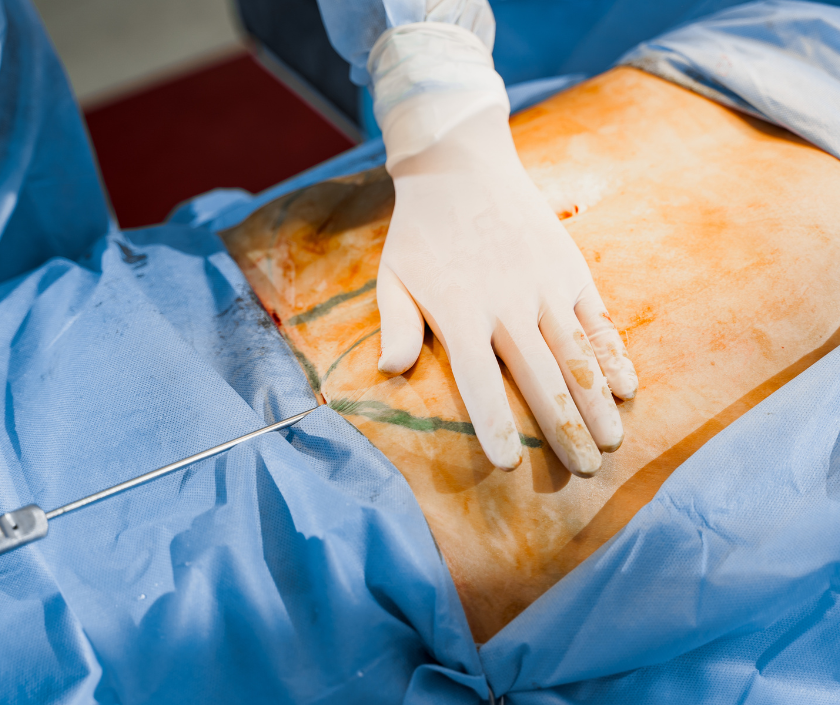
The surgery is performed through a small incision at the back of the vaginal opening, under general or spinal anaesthesia, and it usually takes about an hour. Old scar is trimmed away first. Deeper muscle layers are then identified and joined with dissolving stitches, therefore the anchor regains both height and firmness. Skin is closed last using fine sutures that need no removal. Many women go home the same day, however an overnight stay is offered when the repair is extensive or combined with other work. Nothing proceeds without a full discussion of what will change and what will not.
What is recovery like?
Most women walk comfortably within two or three days, although full internal healing takes roughly six weeks. Pain is usually moderate and settles with simple tablets. Ice packs, loose cotton clothing and a gentle wash after using the toilet all help a great deal. Sitting on a soft ring cushion makes the first week easier, meanwhile a stool softener prevents straining. Intercourse, swimming and gym work pause for six weeks. Light desk duties often restart within a fortnight. Above all, review visits confirm that the stitch line is healing evenly.
What results should I expect?
Expect a firmer, better supported opening and a longer perineum, which many women describe as improved grip and improved sensation. Swelling and firmness of the new scar are normal early on, therefore the final feel settles somewhere between three and six months. Results tend to hold when the pelvic floor stays strong. However, a future vaginal delivery, a chronic cough, constipation or heavy weight gain can stretch tissue again. No surgeon can promise a fixed degree of tightness, and any clinic that does so is overselling.
What are the risks?
Risks are uncommon but real, and they are explained fully before consent is taken. Bleeding, infection, delayed healing and separation of a few stitches are the main early problems. Pain during intercourse can follow if the opening is closed too tightly, consequently careful judgement matters far more than aggressive tightening. Scar tissue occasionally forms a tender ridge, which is why some women later need genital scar revision. Rarely, symptoms return over time. Prompt review solves most of these issues.
What does it cost in India?
Cost in India varies with the extent of the repair, the type of anaesthesia, the hospital and whether other procedures are combined. Fees are quoted in rupees and cover the surgeon, the anaesthetist, theatre time, consumables and review visits. At our clinic you receive a clear written estimate after examination, therefore no surprises appear later. Insurance sometimes contributes when the repair treats a documented obstetric injury rather than an appearance concern. Ask for that estimate in writing before deciding anything.
What are the common myths?
The biggest myth is that exercises alone can rebuild a torn muscle anchor, which is simply untrue once fibres have separated. Another belief holds that the operation is purely cosmetic, however most women arrive with genuine functional complaints. Some fear that stitches must be pulled out painfully later, whereas modern sutures dissolve quietly on their own. Others assume the procedure ruins future childbirth, though a planned delivery can still be discussed safely. Finally, laser is often marketed as a replacement for surgery, yet it cannot restore lost height.
Why choose Elegance Clinic?
Elegance Clinic in Surat offers examination first, honest counselling and a plan matched to your anatomy rather than a package. Dr. Ashutosh Shah performs Tightening of the Perineal Body as a layered reconstruction, and he will say plainly when surgery is not the answer. Privacy is protected at every stage, from the first phone call to the last review. Female staff assist throughout.
If these symptoms affect your comfort or your confidence, a private consultation with Dr. Ashutosh Shah in Surat is a calm place to begin. Bring your delivery records if you still have them, because they often explain a great deal. You will leave with a clear understanding of your options, whether or not you choose surgery.
Note: This page is for general information and is not a substitute for a medical consultation.
Ready to Talk, Privately?
Book a confidential consultation with Dr. Ashutosh Shah. There is no pressure, only clear and honest guidance.