
Gynaecomastia Surgery: Assessment, Technique and Realistic Outcomes
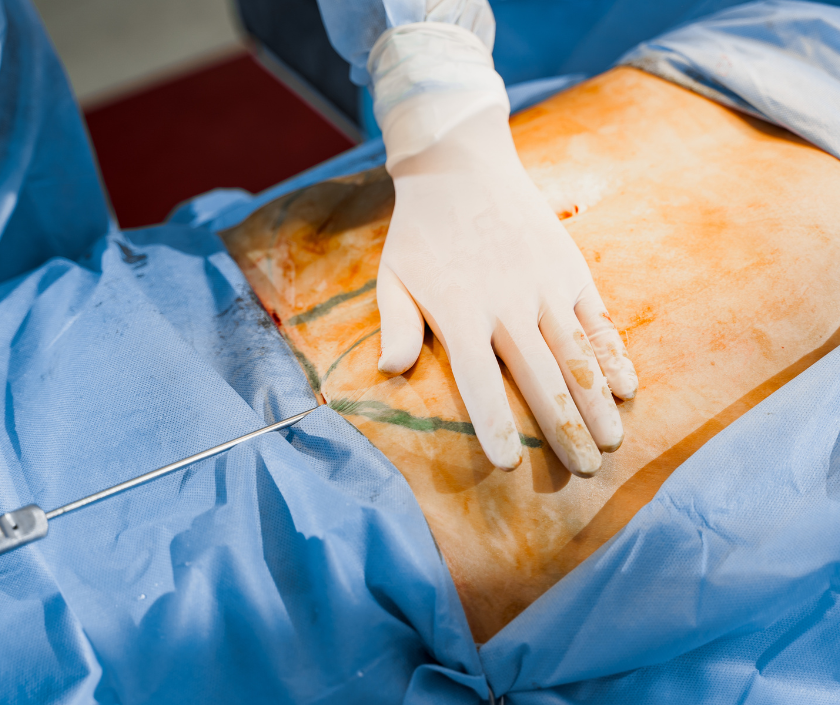
Gynecomastia surgery combines gland excision with liposuction in most cases, because glandular tissue does not respond to liposuction alone; assessment first checks for a medical or drug-related cause before surgery is planned.
Gynecomastia is enlargement of male breast tissue and can range from a small, firm area beneath the nipple to more extensive chest fullness with excess fat and loose skin. The treatment plan depends on the amount of gland, fat and skin present rather than using the same surgical technique for every patient.
A careful assessment is therefore important before deciding whether liposuction, gland excision, skin management or a combination is appropriate.
What Is Assessed Before Gynecomastia Surgery Is Planned?
The first step is to understand what is causing the chest enlargement and what type of tissue is present.
Assessment usually considers:
- How long the enlargement has been present
- Whether one or both sides are affected
- The amount of firm glandular tissue
- The amount and distribution of fat
- Skin elasticity and excess skin
- Position of the nipple and areola
- Chest asymmetry
- Recent weight gain or loss
- Medicines and supplements
- Relevant medical history
The surgeon also considers whether there could be an underlying medical, hormonal or drug-related cause.
Not every patient automatically needs hormone testing. Further investigations may be advised when the history or examination suggests that another condition could be contributing to the enlargement.
A new, unusual or distinctly hard lump also requires appropriate assessment rather than being assumed to be routine gynecomastia.
You can learn more about treatment on the Gynaecomastia service page.
How Are Gland Excision and Liposuction Combined?
Many patients have a combination of fatty and glandular tissue.
Liposuction is useful for reducing excess fat and contouring the surrounding chest. However, firm glandular tissue beneath the nipple and areola usually cannot be adequately removed by liposuction alone.
This is why gland excision versus liposuction is not always an either-or decision.
During combined treatment, liposuction may first be used to reduce fatty fullness and improve the transition between the chest and surrounding areas. Gland excision can then remove the dense tissue responsible for persistent projection beneath the nipple.
The exact balance between the two techniques depends on the patient's tissue composition.
For further information, see the Gland excision page.
You can also read the detailed guide to Gland excision surgery.
How Do the Grades of Gynecomastia Change the Plan?
The grades of gynecomastia help describe the amount of enlargement and whether excess skin is present.
A patient with mild enlargement and good skin elasticity may require relatively limited tissue removal. A patient with significant enlargement and loose skin may need a more extensive procedure.
Gynecomastia Assessment and Treatment Table
| Grade / Presentation | Tissue Composition | Technique Used | Skin Handling | Expected Recovery |
|---|---|---|---|---|
| Mild enlargement | Small gland with limited fat | Gland excision, liposuction or both depending on tissue | Skin often contracts when elasticity is good | Usually less extensive recovery |
| Moderate enlargement without major skin excess | Gland plus fatty tissue | Often gland excision with liposuction | Natural skin contraction may be sufficient | Swelling and garment use expected |
| Moderate enlargement with skin laxity | Gland and fat with loose skin | Combined tissue removal; skin management assessed separately | Skin tightening or excision may be considered | Recovery depends on surgical extent |
| Marked enlargement with substantial loose skin | Larger gland/fat volume with significant laxity | More extensive tissue removal with possible skin excision | Additional skin removal may be necessary | Longer recovery and additional scars may be involved |
The grade helps guide planning, but it is not the only consideration. Skin quality, body weight, tissue distribution and the patient's goals also influence the final technique.
When Is Skin Excision or Tightening Needed as Well?
Removing fat and gland reduces chest volume, but it does not automatically mean that all loose skin will contract completely.
Skin contraction depends on factors such as:
- Age
- Skin elasticity
- Degree of enlargement
- Duration of the enlargement
- Previous major weight loss
- Stretch marks
- Amount of tissue removed
In mild cases with good elasticity, the skin may adapt well after the underlying volume is reduced.
With higher grades of gynecomastia or substantial weight loss, there may be too much excess skin to tighten adequately on its own.
Skin excision may then be considered.
This creates an important trade-off. Removing excess skin can improve the chest envelope, but additional incisions generally create additional scars.
The treatment plan should therefore balance chest contour against the amount and position of scarring required.
What Does Recovery and Garment Use Involve?
Recovery after male chest surgery depends on the extent of the operation.
Someone undergoing limited liposuction and gland removal may have a different recovery from someone who also requires significant skin excision.
During the early recovery period, patients can expect some:
- Swelling
- Bruising
- Tightness
- Tenderness
- Temporary changes in sensation
- Initial contour irregularity while swelling settles
A compression garment is commonly recommended after surgery.
The garment supports the operated area and helps manage postoperative swelling while the tissues settle. How long it should be worn depends on the surgical technique and the operating surgeon's protocol.
Patients should follow their individual postoperative instructions rather than choosing their own garment schedule.
Returning to Work and Exercise
Light everyday activities generally resume before strenuous exercise.
Heavy lifting, chest exercises and gym training should be delayed until healing has progressed sufficiently and the surgeon has given clearance.
Returning to intense exercise too early can increase swelling and place unnecessary stress on healing tissues.
More general postoperative information is available through the Recovery education hub.
Which Results Are Realistic and What Can Recur?
The goal of gynecomastia surgery is to reduce unwanted chest fullness and create a flatter, more proportionate chest contour.
It is important, however, to distinguish realistic improvement from guarantees.
Surgery cannot promise:
- Perfect left-right symmetry
- Completely invisible scars
- Zero swelling
- An immediate final result
- Perfect skin tightening in every patient
- Permanent protection from every possible cause of future enlargement
The early appearance is also not the final result.
Swelling and healing can temporarily make one side look different from the other or make the chest appear fuller than expected. The contour becomes easier to assess as swelling settles and the tissues heal.
Can Gynecomastia Recur?
Gynecomastia can recur or the chest can enlarge again under some circumstances.
Possible contributing factors include significant weight gain, hormonal changes, certain medicines or substances, and an underlying cause that remains active.
This is another reason why assessment before surgery matters. The aim is not only to remove existing tissue but also to identify relevant factors that could affect the long-term result.
Can Liposuction Alone Treat Gynecomastia?
Liposuction alone may be appropriate when chest enlargement is predominantly caused by fatty tissue and there is little firm gland beneath the nipple.
However, true glandular tissue is dense and does not usually respond adequately to liposuction alone.
If surrounding fat is removed but a significant gland remains, persistent projection or puffiness around the nipple may remain.
For patients who have both components, combining liposuction with gland excision can address the fatty and glandular parts separately.
The technique should therefore be chosen according to tissue composition rather than simply selecting the least invasive option.
How Visible Are the Scars?
When gland excision is required, the incision may be placed along part of the border of the areola.
This position can help the scar blend with the transition between the areola and surrounding skin, but no surgical scar can be guaranteed to become invisible.
Scar appearance varies according to:
- Individual healing
- Skin characteristics
- Extent of tissue removal
- Length and location of the incision
- Postoperative care
- Previous tendency to develop raised scars
Scars also mature over time. They may initially appear darker, firmer or more noticeable before gradually changing.
Patients who require skin excision for higher-grade gynaecomastia should expect longer or additional scars compared with patients requiring only gland excision and liposuction.
Why Assessment Matters More Than Choosing a Technique First
Patients sometimes begin by asking whether they need liposuction or gland removal.
A better starting point is determining why the chest is enlarged.
If the problem is mainly fat, the treatment plan differs from one involving a dense gland. If substantial loose skin is present, removing volume alone may not produce the expected chest contour.
Similarly, if the enlargement appears related to an underlying medical or drug-related cause, that issue may need to be evaluated before elective surgery.
A proper assessment therefore guides both whether surgery is appropriate and which technique should be used.
Conclusion
Gynecomastia surgery should begin with assessment, not with automatically choosing liposuction or gland removal.
The examination determines whether the enlargement consists mainly of gland, fat or a combination, assesses the grade of gynecomastia, checks skin elasticity and considers whether a medical or drug-related cause requires further investigation.
Liposuction can reduce fatty fullness, while gland excision removes firm glandular tissue that liposuction cannot adequately address. When substantial skin laxity is present, additional skin management may also be required.
Recovery involves allowing swelling to settle, using a compression garment as advised and gradually returning to strenuous activity. Results should be discussed realistically: surgery can improve chest contour, but perfect symmetry, invisible scars and permanent protection against every possible cause of recurrence cannot be guaranteed.
Have a Private Question?
Every concern deserves an honest answer. Book a confidential consultation with Dr. Ashutosh Shah at Elegance Clinic, Surat, for guidance made just for you.

About the Author
Dr. Ashutosh Shah is a cosmetic gynecologist and plastic surgeon with over 22 years of experience. At Elegance Clinic in Surat, he is known for safe, honest and completely confidential intimate and aesthetic care.
Can liposuction alone treat gynaecomastia?
Sometimes. Liposuction can reduce fatty tissue, but firm glandular tissue usually requires gland excision.
Are hormone tests needed before surgery?
Not always. Hormone tests may be advised if the examination or medical history suggests an underlying hormonal cause.
How long must a compression garment be worn?
The duration varies depending on the procedure and surgeon’s protocol. Follow the specific garment instructions provided after surgery.
Can gynaecomastia come back after surgery?
Yes, recurrence is possible. Weight gain, hormonal changes, certain medicines or an ongoing underlying cause may contribute to new chest enlargement.
How visible is the scar around the areola?
The scar is usually placed along part of the areolar border. It generally becomes less noticeable with healing, but cannot be guaranteed to disappear completely.
When can gym training resume?
Light activity usually starts earlier, while heavy lifting and chest workouts should wait until healing is adequate and the surgeon gives clearance.