What is Post Childbirth Laxity Correction?
Post Childbirth Laxity Correction is the careful treatment of vaginal and pelvic floor looseness that remains after having a baby. Therefore it covers far more than surgery, and it begins with assessment, patience and physiotherapy. Some mothers need nothing beyond time and guided exercise. Others, particularly after a difficult delivery, benefit from a surgical repair such as vaginoplasty. Above all, the plan should suit the stage of life you are actually in, not a timetable set by anybody else.
Is it normal to feel loose after having a baby?
Yes, it is completely normal, and almost every mother notices some change in the early months. Your tissues stretched enormously to allow birth, and they recover gradually rather than instantly. Hormones, especially while breastfeeding, keep oestrogen low, so the lining stays thinner and drier than usual. Consequently things can feel unfamiliar for a good while. Many women hesitate to raise this, yet it is among the most common concerns we hear, and there is nothing shameful in it.
How long should I wait after delivery?
Wait at least twelve months after delivery before considering any surgical correction, and often longer. Tissues continue remodelling for many months, and a great deal of early looseness improves on its own. Meanwhile scars from tears or an episiotomy soften and settle during that first year. Because operating too early risks treating a problem that would have resolved anyway, patience genuinely serves you here.
| Time since delivery | What usually makes sense |
|---|---|
| Birth to six weeks | Rest, healing, routine postnatal check |
| Six weeks to six months | Pelvic floor physiotherapy, gentle activity |
| Six to twelve months | Review progress, treat dryness, keep exercising |
| After twelve months | Assess honestly, discuss surgery if symptoms persist |
Can I have treatment while breastfeeding?
Physiotherapy and most local measures are perfectly safe while breastfeeding, although surgery is usually postponed. Low oestrogen during lactation makes the vaginal lining thin, which affects both healing and any judgement of true laxity. Consequently a repair done now might be measured against tissue that will change again once feeding stops. Vaginal moisturisers or, where advised, local oestrogen can ease dryness meanwhile. Therefore comfort improves without rushing into an operation.
Should I finish my family first?
Ideally yes, because another vaginal delivery can stretch a surgical repair and undo the benefit. Many mothers are still deciding, and that is perfectly reasonable. During consultation your plans are discussed openly and without judgement, since the answer shapes the timing entirely. If more children are likely, physiotherapy, treatment of dryness and simple time remain the sensible route. By contrast, when your family feels complete, surgery becomes a realistic option to consider properly.
Why is pelvic floor physiotherapy the first step?
Physiotherapy comes first because weak muscles, not stretched skin, cause a large share of postnatal symptoms. A trained physiotherapist checks whether you are squeezing correctly, since many women unknowingly push instead. Guided training across three to six months can improve support, leakage and confidence considerably. Moreover, stronger muscles improve the outcome if surgery is eventually chosen. In short, nothing is lost by trying, and a great deal may be gained.
- Exercises done correctly and regularly, rather than occasionally and vaguely.
- Attention to constipation, since straining undoes months of good work.
- Gradual return to running and gym work under proper guidance.
- Treatment of dryness, because comfort makes exercise and intimacy easier.
- Honest review at three to six months to see what has genuinely changed.
When is surgery the right answer?
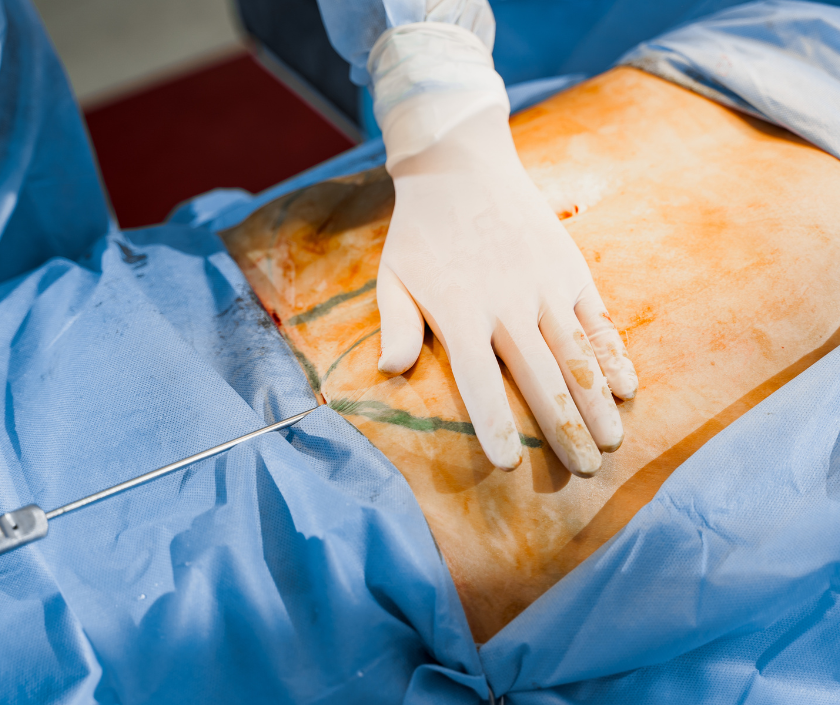
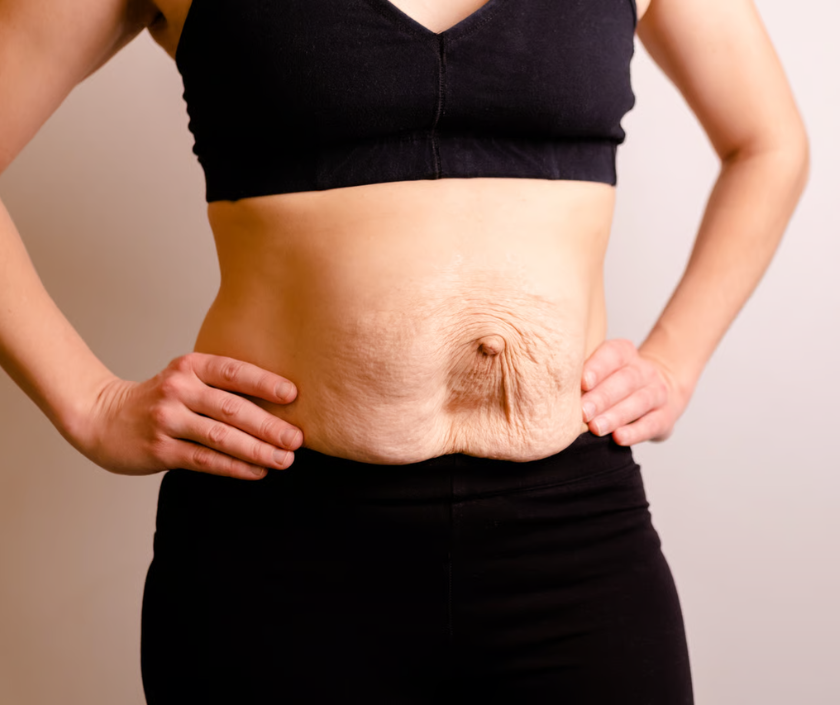
Surgery becomes the right answer once a year has passed, physiotherapy has had a fair trial, and the symptoms remain. Typical findings include a widened opening, a thin or torn perineum, and muscle separation that exercise cannot close. Some mothers also have a bulge from the bladder or bowel, which needs assessing at the same time. If the perineum is the main problem, a perineoplasty may be all that is required. Therefore any operation is planned around findings, never around a fixed package.
What does a postnatal assessment involve?
Assessment involves a conversation about your delivery, your symptoms and your plans, followed by a gentle examination. Your delivery notes help a great deal, so bring them if you have them. Examination checks the opening, the perineum, muscle strength and any prolapse. Because privacy matters, a female attendant is present and you may stop at any point. Afterwards the findings are explained in plain language, with the options written down for you to take home.
What is recovery like when you have small children at home?
Recovery is manageable, though it needs planning, because lifting a toddler is exactly what you must avoid early on. Arrange help for the first two weeks, ideally somebody who can carry the children and manage the housework. Most mothers walk comfortably within days and return to desk work inside a week. However, intercourse waits about six weeks, and gym work waits a similar time. Meanwhile short daily walks aid healing and lift the mood.
What results can a mother realistically expect?
Expect meaningful improvement in support, grip and confidence, rather than an exact return to your body before pregnancy. Most women describe better friction during intimacy and far less awareness of an open feeling. Results keep improving for three to six months as swelling settles. Sensation, however, also depends on rest, hormones and how supported you feel at home, which is why we ask about all of it. Above all, no guaranteed outcome is ever promised here.
What are the risks and what could go wrong?
Risks include bleeding, infection, delayed healing, scar tenderness and, rarely, a canal narrowed enough to make intercourse painful. Serious problems are uncommon when the surgeon is experienced and the timing is right. Occasionally a stitch line opens slightly and needs extra care. Because early recognition matters, review appointments are arranged and you are encouraged to call between them. Importantly, an operation done too soon after delivery carries a higher chance of disappointment.
What does it cost in India?
Cost in India depends on what is actually needed, since physiotherapy, treatment of dryness and surgery sit at very different levels. Hospital charges, anaesthesia and the extent of repair all influence the final figure. Fees at Elegance Clinic are quoted in rupees, and you receive a clear written estimate after examination rather than a rough number on the telephone. Therefore you can plan calmly and compare fairly.
Why choose Elegance Clinic in Surat?
Elegance Clinic treats postnatal concerns with patience, privacy and plain speaking, and mothers are never rushed towards surgery. Dr. Ashutosh Shah will tell you honestly when waiting is the better medicine. Related concerns are also handled here, including a vulvar lift when the outer tissues have changed. Because Post Childbirth Laxity Correction is as much about timing as technique, your plan is reviewed as your body and your family change.
Whenever you feel ready, a private consultation with Dr. Ashutosh Shah in Surat can simply clarify where you stand. Bring your questions, however small they seem, and take home a plan you feel comfortable with.
Note: This page is for general information and is not a substitute for a medical consultation.
Ready to Talk, Privately?
Book a confidential consultation with Dr. Ashutosh Shah. There is no pressure, only clear and honest guidance.