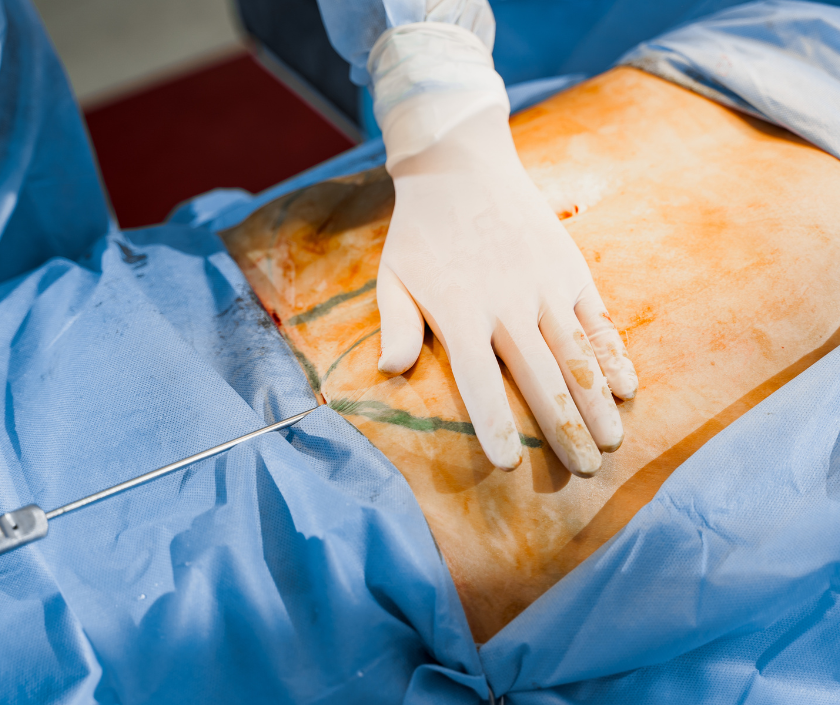

What is Perineal Scar Revision?
Perineal Scar Revision is an operation that removes or reshapes old scar tissue between the vaginal opening and the anus, so the area becomes soft, level and comfortable again. Surgeons excise the hardened band, release the tethered layers beneath and close the tissue in a smoother line. Because the aim is comfort rather than appearance, the plan follows your symptoms closely. It belongs within the wider field of perineoplasty, although it targets the scar rather than the muscle bulk. Sometimes both problems are corrected together.
Why do perineal scars become painful or tight?
Scars turn painful when healing lays down collagen unevenly and traps tiny nerve endings inside the hardened tissue. Every wound contracts as it matures, therefore a scar that felt flat at six weeks can behave like a tight cord several months later. Infection, an early wound breakdown or stitches placed under tension all push healing in the wrong direction. Low oestrogen after delivery keeps skin thin and fragile, meanwhile breastfeeding extends that hormonal dip. Some women simply build thicker scar than others, because collagen behaviour is partly inherited.
What are the signs that the scar is the problem?
The strongest clue is pain that appears at exactly one spot, which you can point to with a fingertip. Symptoms vary between women, however these patterns are typical.
- Sharp pain at entry during intercourse, felt at the back of the opening
- A visible ridge, dimple or pale band of tissue
- Itching, burning or a pulling sensation while sitting or cycling
- Skin that splits in the same place again and again
- A feeling that the opening catches or is too narrow
- Pain triggered by a cotton swab touched to that point
Importantly, identical pain can arise from muscle spasm, infection or a skin condition, so guessing is never wise.
How is a painful perineal scar assessed?
Assessment begins with your delivery history, the timeline of the pain and whatever makes it worse. Examination follows, and it stays gentle throughout. A cotton swab test maps the exact painful points, therefore the surgeon learns whether one small area or the whole opening is involved. Muscle tone is checked separately, because a tight pelvic floor mimics scar pain closely. Skin diseases such as lichen sclerosus are ruled out, and a small biopsy is taken only when the appearance looks unusual. Above all, nothing is planned until the source is clear.
What non surgical treatments are tried first?
Simple measures settle a surprising number of scars, therefore they always come before any operation. Regular massage softens collagen and improves glide between the layers. Local oestrogen cream restores thickness when tissue has thinned after delivery or menopause. Pelvic floor physiotherapy releases the muscle spasm that so often accompanies scar pain, meanwhile graded dilators retrain the entry slowly. Topical anaesthetic gel, silicone gel and occasionally a steroid injection into a thickened band each have a role. Give these three to six months, because scars keep remodelling for a year.
When does surgery genuinely help?
Surgery helps most when a single, firm, well defined scar causes repeatable pain at that exact spot and conservative care has already failed. Tethering is the second clear indication, where the scar sticks to deeper layers and pulls with movement. A narrow band that keeps splitting also responds well. By contrast, widespread burning without any visible scar rarely improves with cutting. Consequently, choosing the right patient matters more than surgical skill in this particular operation.
| Finding | Favours surgery | Suggests another cause |
|---|---|---|
| Site of pain | One fixed point on the scar | Shifting or spread across the vulva |
| Feel of tissue | Firm band, clearly tethered | Soft tissue with normal appearance |
| Timing | Started only after delivery | Present long before delivery |
| Response to care | No change after six months | Steadily improving month by month |
When will revision not help?
Revision will not help when the pain comes from nerve sensitisation, muscle spasm or a skin disease rather than the scar itself. Cutting into an already irritable area can worsen matters, therefore honesty at this stage protects you. Pain spread across the whole vulva, pain that existed before delivery, or pain that moves from place to place all point elsewhere. Low mood, anxiety and fear of penetration deserve attention alongside any physical treatment. Some women are advised to wait, and waiting is a genuine medical decision.
Who is a good candidate?
A good candidate has a mature scar, at least six months old, with stable symptoms and no active infection. Family planning matters, because a later vaginal delivery may create fresh scarring in the same place. Smoking is stopped well beforehand, since nicotine starves healing tissue of blood. Diabetes is brought under control first. Realistic expectations complete the picture, as the goal is comfort rather than an invisible line.
How is the operation done?
The scar is excised as a narrow ellipse under general, spinal or occasionally local anaesthesia, and the procedure often takes under an hour. Tethered layers underneath are released so tissue slides freely once more. Fresh edges are then brought together without tension, sometimes using a small Z shaped flap that changes the direction of the scar line and reduces later contracture. Fine dissolving stitches close the skin. Most women reach home the same day, though a longer stay is arranged when the repair is combined with other work. Related techniques run right across the field of genital scar revision.
What is recovery like?
Comfort improves within a few days, yet the tissue needs about six weeks before it tolerates intercourse again. Wash gently with plain water after using the toilet, then pat the area dry. Loose clothing, short spells with a cold pack and a soft cushion make sitting much easier. Constipation is prevented actively, because straining pulls directly on the new stitch line. Cycling and horse riding wait longer than ordinary gym work. Meanwhile, gentle massage of the fresh scar usually begins around the fourth week on advice.
What are the risks?
Risks include bleeding, infection, wound separation and, importantly, a new scar that behaves as poorly as the old one. Numbness or altered sensation nearby can occur, and it usually settles slowly. Pain sometimes persists despite a technically perfect repair, which is exactly why expectations are discussed in detail beforehand. Occasionally a second smaller revision becomes necessary. Rarely the opening feels tighter than intended, therefore a graded dilator programme follows.
What does it cost in India?
Cost in India depends on the size of the scar, the technique chosen, the anaesthesia and the hospital setting. Charges are stated in rupees and include theatre, the surgical team, dressings and later review. Elegance Clinic provides a clear written estimate after examination, so you can plan without pressure. Where the scar followed a documented obstetric injury, insurance may consider part of the claim. Always compare what each quotation includes rather than the headline number alone.
Why choose Elegance Clinic?
Elegance Clinic in Surat treats a painful scar as a functional problem rather than a beauty concern, and that changes the entire approach. Dr. Ashutosh Shah offers Perineal Scar Revision only after conservative care has had a fair trial, because that sequence produces better and longer lasting comfort. Consultations are unhurried and completely private. Women who also have a lax opening may be advised about vaginoplasty during the same visit.
If sitting, exercising or intimacy has become something you quietly dread, a private consultation with Dr. Ashutosh Shah in Surat can bring clarity. Nothing is rushed, and you set the pace. Many women feel lighter simply knowing what the problem actually is.
Note: This page is for general information and is not a substitute for a medical consultation.
Ready to Talk, Privately?
Book a confidential consultation with Dr. Ashutosh Shah. There is no pressure, only clear and honest guidance.