What is Capsular Contracture Correction?
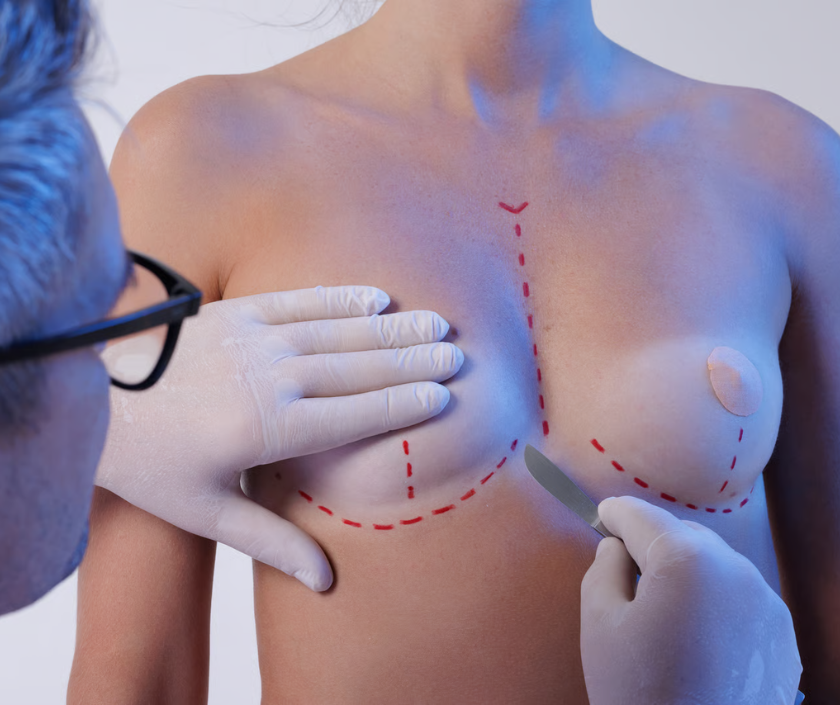
Capsular Contracture Correction is an operation to remove or release the scar capsule that has tightened around a breast implant. Because the capsule is the source of the trouble, surgery is aimed at it rather than at the skin. Where the device is old, damaged or no longer wanted, it is exchanged or taken out during the same sitting.
What is the capsule around a breast implant?
The capsule is a thin layer of scar tissue that the body builds around any device once it is implanted. Formation of a capsule is normal and it happens in every woman, therefore its presence is not a complication in itself. Ordinarily that layer stays soft and thin, so the breast feels natural and moves well. Trouble begins only when it thickens and starts to shrink.
What happens when the capsule tightens?
A tightening capsule squeezes the implant, so the breast becomes firmer, rounder and often higher than it should sit. Discomfort tends to follow, since the pressure is felt as tightness or ache, above all when lying down or exercising. Shape changes are usually gradual, although some women notice a difference within a few weeks. Both sides can be affected, yet one side alone is more common.
How bad is it, and what do the grades mean?
Surgeons grade contracture from one to four, so the scale runs from soft and natural through to hard, painful and visibly distorted. Grades three and four are the ones usually treated, whereas grades one and two are simply watched.
| Grade | What it feels and looks like |
|---|---|
| Grade one | Breast feels soft and looks natural, so nothing needs doing |
| Grade two | Slightly firm to touch, although the shape still looks normal |
| Grade three | Clearly firm, and the shape has changed or ridden high |
| Grade four | Hard, painful and visibly distorted, therefore treatment is usually advised |
Grading is a guide rather than a rule, therefore your symptoms count as much as the number does.
Which breast changes need medical assessment first?
Some findings must be assessed by a doctor before any cosmetic operation is planned, since they can be signs of breast cancer. Because the cause has to be known, examination and imaging come first in each of the following situations.
- a lump you have not noticed before, or one that is enlarging
- a lump that feels hard or seems anchored to deeper tissue
- nipple discharge, particularly when it is bloody or from one side only
- a nipple that has recently turned inward or become retracted
- skin that has become dimpled or puckered over the breast
- an orange peel look to the skin
- one sided pain that persists rather than settling
- a difference between the sides that is changing rapidly
Firmness from contracture is a different matter, however the two can occur together, so nothing is assumed. Assessment first and cosmetic planning second is the rule, because that order keeps women safe. If you want more detail, our conditions page sets out how these symptoms are worked up.
What makes capsular contracture more likely?
Several factors raise the chance of it happening, although in many women no clear reason is ever found.
- bleeding or a collection of blood in the pocket after the original operation
- infection, including low grade contamination of the implant surface during surgery
- the implant surface itself, since textured devices behave differently from smooth ones
- placement above the muscle rather than beneath it
- a previous contracture, because a woman who has had one is more likely to have another
- radiotherapy to the chest, which stiffens tissue considerably
What are the honest facts about breast implants?
Implants are useful devices, however they carry commitments that last a lifetime. Above all, they are not lifetime devices, so exchange or removal at some future point should be assumed rather than hoped against.
- Contracture itself is one of the commonest reasons for further surgery, so this whole page exists because of it.
- Rupture may happen quietly with silicone, therefore imaging at intervals is recommended so that a leak is not missed.
- BIA ALCL stands for breast implant associated anaplastic large cell lymphoma, a rare cancer of the immune system linked mainly to textured surface implants. Rarity does not make it unimportant, so it is discussed openly with every woman.
- Breast implant illness describes the wide ranging symptoms that some women report after implants, including fatigue and aching. Listening comes first, and the evidence is presented as it stands, without dismissal and without exaggeration.
- Teenagers should not have implants, because physical maturity is needed before a decision of this weight.
How is the capsule removed or released?
Once you are asleep, the old scar is usually reopened and the thickened capsule is dealt with directly. Removal of the whole capsule, called a total capsulectomy, is preferred where tissue is thick or calcified, whereas partial removal or a simple release may be enough in milder cases. Once the pocket is clean, the implant may be moved to a different plane, since a fresh pocket often behaves better than an old one. Afterwards a new device is placed, or none at all if that is your wish, and a drain is used when needed. Tissue is sent for testing whenever anything looks unusual.
How does recovery usually go?
Healing is a little slower than after a straightforward exchange, because more tissue has been worked on. Pain relief, a support bra and gentle movement carry most women through the first week comfortably. Office duties usually restart within seven to ten days, while sport and heavy lifting wait about six weeks. Softness returns gradually, therefore the breast may feel firm for some weeks before it truly settles.
Can capsular contracture come back afterwards?
Yes, it can return, and honesty about that matters more than reassurance does. Recurrence is more likely in a woman who has had contracture once already, so no surgeon can promise it will never trouble you again. Steps that reduce the chance include meticulous clean technique, careful control of bleeding, changing the plane of the implant and choosing a different device where that seems wise. Some women, having been through it twice, decide to have their implants removed for good, and that is a sound decision rather than a defeat.
What are the risks, and will it affect breastfeeding or mammograms?
Risks include bleeding, infection, changed nipple sensation, uneven shape, poor scarring and the need for further surgery later. Breast surgery can also affect the ability to breastfeed, and the risk is greater where the areola or the ducts are involved, so tell us early if you are planning a family. Nothing about feeding can be promised. Mammograms are harder to read with implants in place, therefore always tell the radiographer and the radiologist what you have had done, since extra views may be needed. Screening should continue on schedule throughout.
What does treatment cost in India?
Fees in rupees depend on how much capsule work is required, whether an implant is replaced and how long theatre and hospital time run to. Because a release and a total capsulectomy differ greatly, quoting over the telephone would be unfair to you. A clear written estimate after examination is provided, with each item set out. Where symptoms are troubling and a medical reason exists, insurance may consider the claim, and our team will help with the paperwork.
Why do women come to Elegance Clinic for this?
Contracture surgery is detailed work, so experience and patience count for a great deal. Dr. Ashutosh Shah examines each breast, explains which grade you have, and sets out every route including doing nothing for the time being. More about related operations sits on the breast implant revision page, while the wider service is described under breast and chest aesthetics.
If your breast has become firm, high or sore, a private consultation will tell you where you stand. Bring your implant card and any previous notes, since they save a great deal of guesswork. Questions are welcome here, and no woman is hurried into a decision she has not had time to weigh.
Note: This page is for general information and is not a substitute for a medical consultation. Any new breast lump, nipple change or skin change should be assessed by a doctor before considering cosmetic treatment. Results vary between individuals and no outcome can be promised.
Ready to Talk, Privately?
Book a confidential consultation with Dr. Ashutosh Shah. There is no pressure, only clear and honest guidance.