
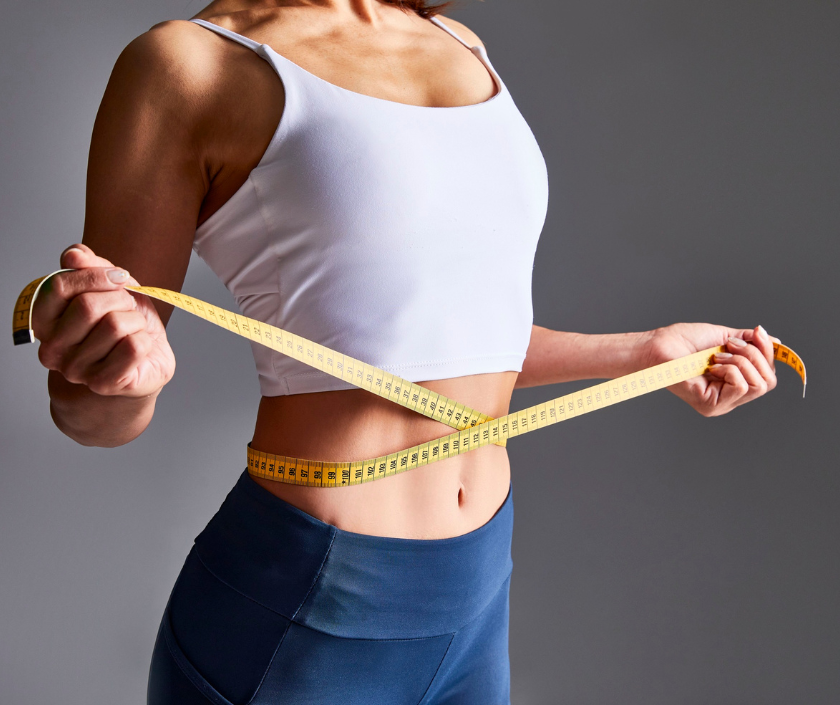
What is Waist Liposculpture?
Waist Liposculpture is the selective removal of fat from the flanks and the upper hip so the natural inward curve of the waist becomes easier to see. Instead of treating the trunk as one block, the surgeon works in small amounts across several zones, then blends the edges so nothing looks scooped out. Because the aim is shape rather than volume, the quantity taken away is often smaller than women expect. Fine cannulas pass through entry points of a few millimetres, therefore the marks sit inside underwear lines and fade well.
Why do women consider waist contouring?
Most women come because a band of fullness above the hip refuses to move despite steady exercise and sensible eating. Saris, fitted kurtas and western tailoring all sit across exactly that band, so the concern is practical as much as aesthetic. Others notice the change after pregnancy or in their forties, when fat gradually redistributes towards the trunk. However the decision belongs to the woman herself, and it is always worth asking whose opinion is driving it.
Why does my waist look the way it does?
Your waist is framed by bone long before fat enters the discussion. The lower ribs set the width of the upper trunk, while the pelvis sets the width below, and the distance between them decides how much curve is even possible. Muscle adds a further layer, since the oblique and deep abdominal muscles hold the trunk in. Fat then sits on top of all of it. Therefore removing fat reveals the frame underneath rather than altering it, and a woman with a wide lower ribcage or a broad pelvis sees a proportional improvement rather than an unlimited one. Honest planning starts with that assessment, not with a photograph from the internet.
Is liposuction a way to lose weight?
No, liposuction is contour work for a body already at a stable weight, and it is not a treatment for obesity. Volumes removed are measured in a few hundred millilitres to a couple of litres, which barely registers on a weighing scale. Meanwhile the health gains that follow genuine weight loss, better blood sugar and blood pressure among them, do not follow from suction. Consequently we ask that weight has held steady for several months first, because continued gain or loss will change the result afterwards. Where excess weight is the real issue, medical and nutritional support is the sensible starting point.
How does skin quality affect the result?
Skin quality sets the ceiling on what any contouring can achieve. Elastic skin shrinks down neatly over the new shape, whereas skin stretched by pregnancy, large weight change or ageing may not. Taking fat from beneath loose skin can make the looseness more obvious instead of less. Therefore examination includes a pinch test and a frank discussion about elasticity, and where skin is genuinely lax, excision is the truthful answer rather than more suction. Some women accept a scar in exchange for a flatter contour, while others prefer to leave things as they are, and both choices are respected here.
Who is a good candidate?
Good candidates sit close to their usual weight, are in reasonable health, and want a change in shape rather than a change on the scale. Fat should be pinchable, sitting above the muscle, since deep fat around the organs cannot be suctioned at all. Skin needs reasonable spring to it. Above all, expectations must match the frame, so a candid conversation about ribs and pelvis happens before any date is offered.
- Weight steady for at least three to six months.
- Pinchable fullness at the flank or upper hip.
- Reasonable skin elasticity on examination.
- Diabetes, thyroid and heart conditions well controlled.
- Not pregnant, and no pregnancy planned in the near future.
- Willing to wear compression and attend review visits.
How is the procedure done?
Work begins with markings drawn while you stand upright, because fat falls differently once you lie down. Anaesthesia is usually general or sedation with local infiltration, depending on how many zones are treated. Fluid containing local anaesthetic and adrenaline goes into the fat layer first, which reduces bleeding and makes removal smoother. Cannulas then cross the area from more than one direction, so ridges are avoided and the edges feather naturally. Both sides are compared repeatedly during surgery, since symmetry is judged by eye and by feel rather than by volume alone. Most cases take one to two hours as day care, therefore an overnight stay is arranged only when a large area is involved.
What is recovery like?
Expect to be walking the same evening, with soreness rather than severe pain during the first week. A compression garment is worn day and night for roughly four weeks, then through the day for a further two. Bruising and oedema peak in the first fortnight, however swelling keeps settling for months afterwards. Desk work usually restarts within three to five days, while gym training waits four to six weeks. Driving resumes once braking feels comfortable and unhesitant.
What results should I expect?
Expect a narrower looking waist in proportion to your own frame, not a silhouette borrowed from someone else. Early swelling hides the change, so the first honest view arrives at six to eight weeks and the settled shape at three to six months. Fat cells taken out do not grow back, yet the cells left behind can still enlarge if weight rises, therefore maintaining weight protects what has been done. Results vary between individuals, and small differences between the two sides are normal because no body is truly symmetrical. Photographs of other patients illustrate possibilities rather than predict yours.
What are the risks?
No surgery is risk free, and suction of the trunk carries a recognised list. Bruising, prolonged swelling, numbness, contour irregularity, dimpling, seroma and asymmetry are the common problems. Infection, bleeding and anaesthetic complications occur less often but remain real. Clots in the leg or lung are uncommon, therefore early walking and preventive measures are used routinely. Rarely, over aggressive removal in one plane leaves a hollow that is difficult to correct, which is precisely why conservative layered work matters more than dramatic marketing. Revision is occasionally needed, and it is discussed openly rather than hidden.
What does it cost in India?
Charges in rupees depend on how many zones are treated, the anaesthetic used, theatre time, garments and follow up visits. Flanks alone sit at the lower end, whereas adding the upper hip, abdomen or back raises the figure. A clear written estimate after examination is given, so every item is visible and comparison with other centres becomes meaningful. Aesthetic contouring is not covered by insurance in India. Above all, price should never be the deciding factor in surgery on the trunk.
What are the common myths?
Several beliefs about waist surgery circulate widely, therefore the table below sets each one against what actually happens.
| What people believe | What is actually true |
|---|---|
| Suction removes many kilograms | Movement on the scale is small, since the goal is shape |
| Fat returns to the same place | Cells removed do not come back, although remaining cells enlarge with weight gain |
| Any waist can become very narrow | Ribcage and pelvis set the limit, so change stays proportional |
| Loose skin always tightens by itself | Elastic skin retracts, whereas stretched skin usually needs excision |
| One session settles everything | Occasionally a small refinement is needed once swelling resolves |
Why choose Elegance Clinic?
Because the honest answer comes before the booking, including on days when the answer is no. Dr. Ashutosh Shah measures the frame, tests the skin and explains which part of your concern is fat and which part belongs to bone. Planning sits within the wider range of waist contouring, and women who have arrived after seeing dramatic social media results are encouraged to read Snatched Waist Shaping as well. Surgery happens in an accredited theatre in Surat with proper anaesthetic support.
If a stubborn band above the hip has stopped responding to everything you have tried, a private consultation will tell you plainly whether Waist Liposculpture suits your build. Bring a note of how your weight has moved over the past year. Appointments can be arranged through our contact page.
Note: This page is for general information and is not a substitute for a medical consultation. Every procedure carries risk, results vary between individuals, and no outcome can be promised. Dr. Ashutosh Shah will advise honestly whether a procedure is appropriate for you.
Ready to Talk, Privately?
Book a confidential consultation with Dr. Ashutosh Shah. There is no pressure, only clear and honest guidance.