What is Snatched Waist Shaping?
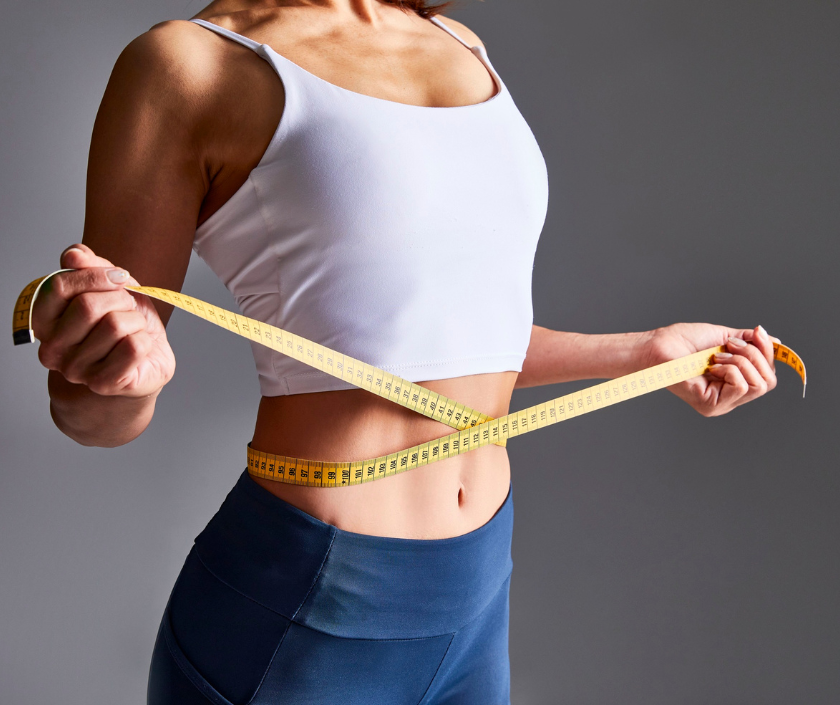
Snatched Waist Shaping is the popular name for contouring surgery that narrows how the waist looks by removing fat from the flanks, the upper hip and sometimes the upper back. The word snatched came from social media rather than from medicine, so it describes a look instead of a specific operation. Underneath the label, however, sits ordinary and careful liposculpture. Because the expectations attached to the phrase are often far larger than surgery can meet, this page explains what genuinely happens and what does not.
Why does the look online seem so extreme?
Extreme waists on a phone screen are almost always a combination of several tricks, and surgery is only one of them. Angle, arched posture and a raised arm can narrow a waist visibly within a single photograph. Lighting from above deepens the shadow along the flank, whereas flat lighting removes it completely. Meanwhile editing tools warp a body convincingly in seconds, and shaping garments handle the rest. Therefore comparing your own morning reflection with a curated image is not a fair comparison at all.
How much of it is posing, garments and editing?
Most of it, honestly. A shaping garment compresses soft tissue temporarily by a few centimetres, however it moves nothing lasting and the shape returns the moment it comes off. Waist trainers are marketed as though they remodel the body, yet an adult ribcage does not reshape under elastic, and prolonged tight lacing can bring reflux, breathlessness and skin irritation. Editing meanwhile accounts for a large share of what remains. Consequently the truthful summary is that surgery contributes a real but modest part of the image you are looking at.
- Posture and camera angle, which cost nothing yet change everything.
- Compression garments, temporary and removable.
- Photo editing, now very difficult to detect.
- Inherited bone structure, which some people simply have.
- Surgery, genuine although more moderate than the pictures suggest.
Can surgery actually give a snatched waist?
Surgery can produce a visibly narrower waist, though the size of that change depends on your own frame. Taking fat from the flank and upper hip deepens the natural curve between the lower ribs and the pelvis. Should that gap be short, or the pelvis broad, the curve has less room to develop and the improvement stays subtle. By contrast, a longer trunk with good skin tone often shows a striking difference in clothes. Above all, nobody can promise a particular silhouette, and any clinic that offers one deserves suspicion.
Should I consider rib removal?
Rib removal for cosmetic narrowing is not something we offer, and we would advise strongly against seeking it. Ribs protect the lungs, liver and spleen, so taking them out for appearance introduces serious risk including lung injury, chronic pain and deformity for a change that photographs exaggerate anyway. Costoplasty exists within reconstructive surgery for genuine medical reasons, which is a different matter entirely. Above all, no aesthetic goal justifies that trade.
Is this a way to lose weight, and what limits the result?
It is not a weight loss method at all. Liposuction is contour work for a person already at a stable weight, and it is not a treatment for obesity, so the scale moves very little afterwards. Two things limit the outcome once weight is settled. First comes the skeleton, since bone width cannot be suctioned. Second comes skin quality, which sets the ceiling on every contouring result, because loose skin will not retract over a smaller shape and sometimes looks worse once volume beneath it goes. Where skin has genuinely lost its elasticity, excision rather than suction is the honest recommendation.
Who is a suitable candidate?
Suitable women are near their usual weight, medically fit, and realistic about what a photograph can and cannot represent. Pinchable fat at the flank is needed, since there is nothing to remove otherwise. Reasonable skin tone helps considerably. Anyone who arrives with a printed image and asks for that exact body is gently redirected towards what her own anatomy allows, which is a kinder conversation to have before surgery than after it.
What does the operation involve?
Treatment is delivered through a handful of tiny entry points using tumescent fluid and fine cannulas. Anaesthesia is general or sedation with local infiltration, decided by the extent planned. Fat is removed gradually, in thin passes, from crossing directions so the surface stays smooth. Symmetry is checked repeatedly with you tilted upright on the table, therefore the operation takes longer than the volume alone would suggest. Discharge is normally the same day, with a garment already in place.
What is the recovery timeline?
Recovery follows a predictable pattern, and knowing it in advance prevents alarm. Days one to three usually bring tightness, bruising and leakage of tumescent fluid from the entry points. Week one usually allows a return to desk work. Weeks two to six typically involve continuous compression, gradual return of comfort and the slow settling of oedema. Months three to six then reveal the final contour. Numb patches persist for a while, however sensation generally returns.
What change is realistic?
A realistic change is measured in centimetres, not in the proportions seen online. The table below compares what each element of the popular look actually delivers.
| Element of the look | What it truly does |
|---|---|
| Shaping garment | Temporary compression, reversed within minutes of removal |
| Posing and camera angle | Large visual effect, no physical change whatsoever |
| Editing software | Unlimited on screen, impossible in the mirror |
| Contouring surgery | Real reduction at the flank, proportional to your frame |
| Bone structure | Fixed, and the reason two women get different outcomes |
Swelling masks everything early, so judgement is postponed until three months at the earliest. Results vary between individuals.
What can go wrong?
Complications are uncommon yet genuine, and no surgery is risk free. Bruising, prolonged swelling, seroma, numbness, asymmetry and surface irregularity usually head the list. Infection and bleeding happen occasionally. Clots in the leg or lung are rare, although prevention is taken seriously with early walking. Disappointment is its own recognised outcome, particularly when someone expected an edited image, which is why this conversation happens before the theatre is booked rather than afterwards.
What are the fees in India?
Rupee charges reflect the zones treated, theatre and anaesthetic time, garments and follow up. Adding the back or abdomen to the flanks increases the figure accordingly. You receive a clear written estimate after examination, so nothing appears later as a surprise. Beware very low quotations, since they usually mean an unsupervised setting or an unqualified operator. Cosmetic work is not covered by insurance in India.
Why choose Elegance Clinic?
Because you will be told what surgery cannot do before being told what it can. Dr. Ashutosh Shah discusses the request in terms of your own measurements, shows where the limits sit, and declines cases where the request cannot be met safely. Related options across waist contouring are explained side by side, and the technical detail behind the procedure appears on our Waist Liposculpture page.
Should you want a straightforward opinion about whether Snatched Waist Shaping is worth pursuing for your body, a private consultation in Surat is the place to have it. Nothing is booked on the day of that first discussion. Our contact page has the details.
Note: This page is for general information and is not a substitute for a medical consultation. Every procedure carries risk, results vary between individuals, and no outcome can be promised. Dr. Ashutosh Shah will advise honestly whether a procedure is appropriate for you.
Ready to Talk, Privately?
Book a confidential consultation with Dr. Ashutosh Shah. There is no pressure, only clear and honest guidance.