
What is Sexual Wellness and Lubrication Support?
Sexual Wellness and Lubrication Support means finding out why dryness, discomfort or reduced sensation is happening, then treating the actual cause. Assessment sits at the centre of this work, because the same complaint can arise from hormones, illness, medicines, skin disease, mood or a difficult relationship. Simple measures with good evidence are offered early. Procedures, by contrast, belong much later in the conversation and are never the automatic answer.
What symptoms bring women to the clinic?
Symptoms are usually dryness, burning, soreness during intercourse, or a feeling that sensation has faded. Many women also describe itching, a sense of tightness at the entrance, or bleeding after intimacy. Embarrassment keeps a great number of them silent for years, which is unfortunate because most of these problems respond to treatment. Notably, pain during intercourse is never something to accept quietly. It is a medical symptom, therefore it deserves proper examination like any other.
Why does vaginal dryness happen?
Dryness happens mainly because oestrogen levels fall, and tissue that depends on that hormone becomes thinner, less elastic and less lubricated. Menopause is the commonest reason, however it is far from the only one. Breastfeeding lowers oestrogen temporarily, so new mothers frequently notice the same change. Surgical removal of the ovaries, cancer treatment and some hormonal contraceptives can produce it too. Importantly, dryness caused by low oestrogen usually improves with treatment aimed at exactly that, which is why the cause must be identified.
Which medicines and conditions can be responsible?
Several everyday medicines and long term conditions contribute, and reviewing them often explains the whole picture.
| Cause | What it does | Usual first response |
|---|---|---|
| Menopause and low oestrogen | Thins and dries the tissue | Moisturisers, then local oestrogen if suitable |
| Breastfeeding | Lowers oestrogen temporarily | Lubricants and reassurance, review when periods return |
| Some hormonal contraceptives | May reduce natural lubrication | Discuss alternatives with your doctor |
| Certain antidepressants | Can affect desire, arousal and lubrication | Medication review, never stop them on your own |
| Thyroid disease and diabetes | Affect energy, nerves and tissue health | Blood tests and proper control of the condition |
| Infection or skin disease | Causes burning, itching and soreness | Examination, swabs and specific treatment |
Can stress, mood and relationships play a part?
Yes, and pretending otherwise would be dishonest. Arousal depends on feeling safe, rested and comfortable, so anxiety, depression, exhaustion and unresolved conflict all reduce it. Past trauma matters as well, and it deserves gentle, respectful handling rather than a quick procedure. Meanwhile a cycle often develops in which pain creates fear, fear creates muscle tension, and tension creates more pain. Breaking that cycle usually needs conversation, physiotherapy and time, not an injection.
What happens during the assessment?
Assessment starts with an unhurried history, then a gentle examination performed only with your consent and with a female attendant present.
- Your symptoms, when they began, and what makes them better or worse
- Periods, pregnancies, deliveries, breastfeeding and any menopausal changes
- Every medicine you take, including contraception and antidepressants
- General health, particularly thyroid disease, diabetes and anaemia
- Inspection for atrophy, infection, skin conditions, scarring and prolapse
- Swabs or blood tests where the history points that way
- A calm conversation about mood, sleep, stress and relationship comfort
Which treatments actually have good evidence?
Proven options are simpler and cheaper than most women expect. Water based lubricants used at the time of intercourse reduce friction immediately, and they suit almost everyone. Vaginal moisturisers, applied regularly rather than only during intimacy, hold water in the tissue and improve day to day comfort. Local oestrogen, prescribed after assessment, has strong evidence for thin dry tissue after menopause and works at a very low dose. Treating an infection, adjusting a medicine or controlling diabetes properly can transform symptoms on its own.
Where do procedures fit into this?
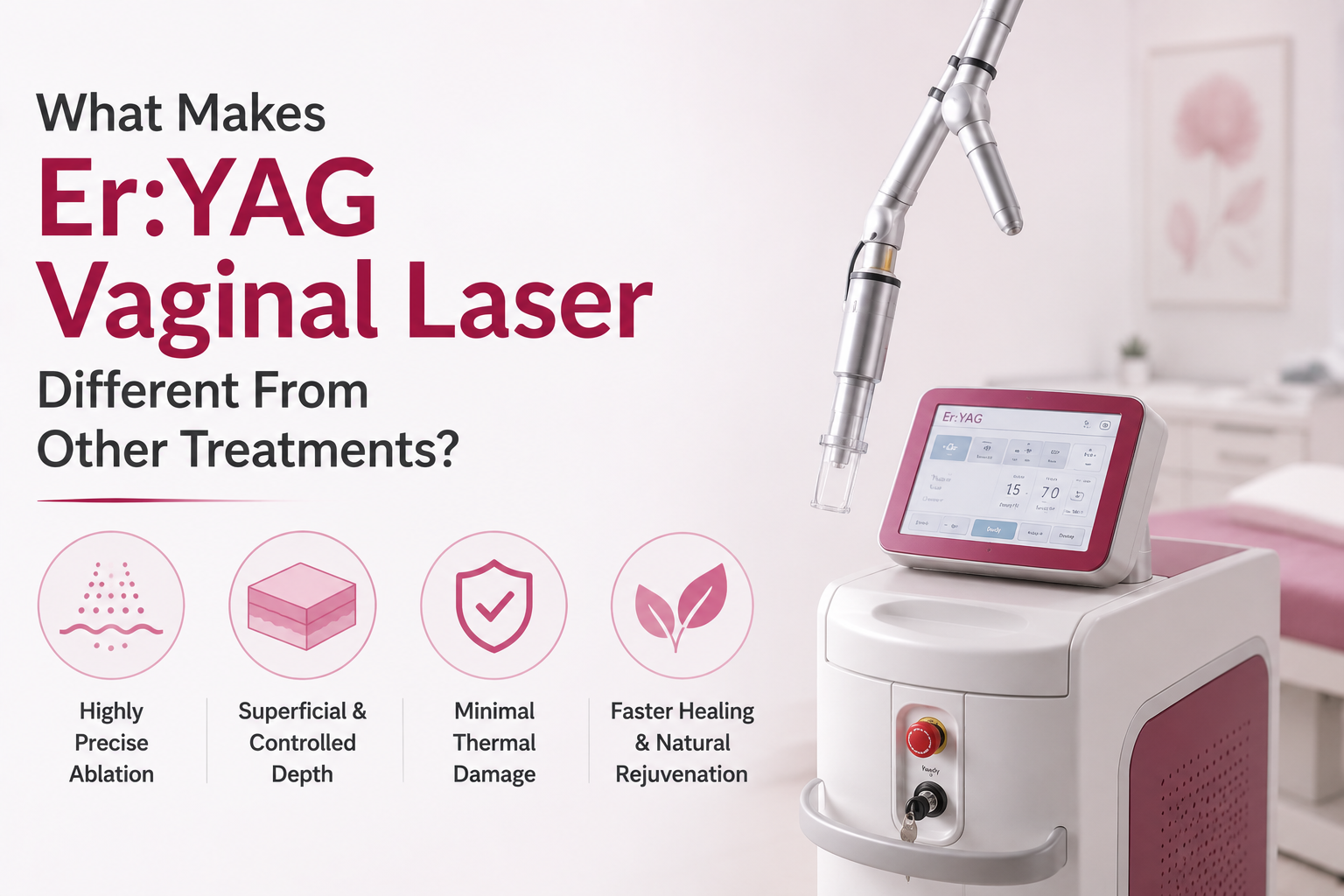
Procedures sit at the end of the queue, not the start. Regulators have not specifically approved energy based or injectable intimate rejuvenation treatments for vaginal laxity, dryness, sexual function or urinary incontinence. A safety communication from the US Food and Drug Administration has warned about precisely these marketing claims, describing reported harms such as burns, scarring and lasting pain. Professional bodies including the American College of Obstetricians and Gynecologists have said current evidence does not support efficacy claims here. At Elegance Clinic, therefore, Sexual Wellness and Lubrication Support means proven measures first, with any procedure discussed only afterwards and only where a woman understands the evidence is limited.
When should I seek review urgently?
Certain symptoms need prompt attention rather than a shopping trip for lubricants. Bleeding after intercourse, bleeding after menopause, a lump, an ulcer, foul smelling discharge or fever all require examination without delay. Pain that is severe, one sided or worsening also needs assessment quickly. Because serious conditions occasionally present as ordinary soreness, self diagnosis is genuinely risky. Our overview of intimate health conditions explains which symptoms should never simply be watched.
Can physiotherapy and counselling help?
Pelvic floor physiotherapy helps many women, especially where muscles have tightened protectively after childbirth, surgery or repeated pain. Therapists teach relaxation before strengthening, which surprises most patients. Graded dilators rebuild comfort slowly and safely. Meanwhile counselling or sex therapy addresses anxiety, past trauma and communication between partners, and it often achieves what no clinic procedure could. Combining physical and psychological support usually works better than either approach alone.
What are the risks of skipping assessment?
Skipping assessment risks treating the wrong problem entirely, which wastes money and delays real care. An untreated infection keeps causing symptoms whatever is injected. Undiagnosed atrophy responds to hormonal treatment, yet it will not respond to a device. Worse, a serious condition such as a skin disorder or a cancer could be missed while attention goes elsewhere. Any procedure also carries its own risks, including bruising, swelling, infection, scarring, lasting pain and simply no benefit at all.
What does care cost in India?
Costs are quoted in rupees and stay modest for the proven measures, since lubricants, moisturisers and prescribed creams are inexpensive compared with any procedure. Consultations, swabs and blood tests are charged separately, and Elegance Clinic provides a clear written estimate after examination. Physiotherapy is usually billed per session, therefore ask how many are anticipated. Avoid clinics selling fixed packages before they have examined you.
Why choose Elegance Clinic?
Elegance Clinic in Surat treats this as gynaecology rather than as a beauty service. Dr. Ashutosh Shah listens carefully, examines properly, and explains what is worth trying and what is not. Consultations are private, unhurried and supported by female staff. Should a treatment discussed under platelet based intimate treatments or elsewhere in non surgical rejuvenation genuinely suit you, its limits are explained first.
If discomfort has been affecting your daily life or your relationship, a private consultation with Dr. Ashutosh Shah in Surat is a reasonable next step. Bring your medicines and a note of when symptoms began. Many women leave with a simple plan and considerable relief at having finally asked.
Note: This page is for general information and is not a substitute for a medical consultation. Non surgical intimate treatments are not specifically approved by regulators for these uses, evidence of benefit is limited, and results vary between individuals. Dr. Ashutosh Shah will advise honestly whether a treatment is appropriate for you.
Ready to Talk, Privately?
Book a confidential consultation with Dr. Ashutosh Shah. There is no pressure, only clear and honest guidance.