What is RF Collagen Stimulation?
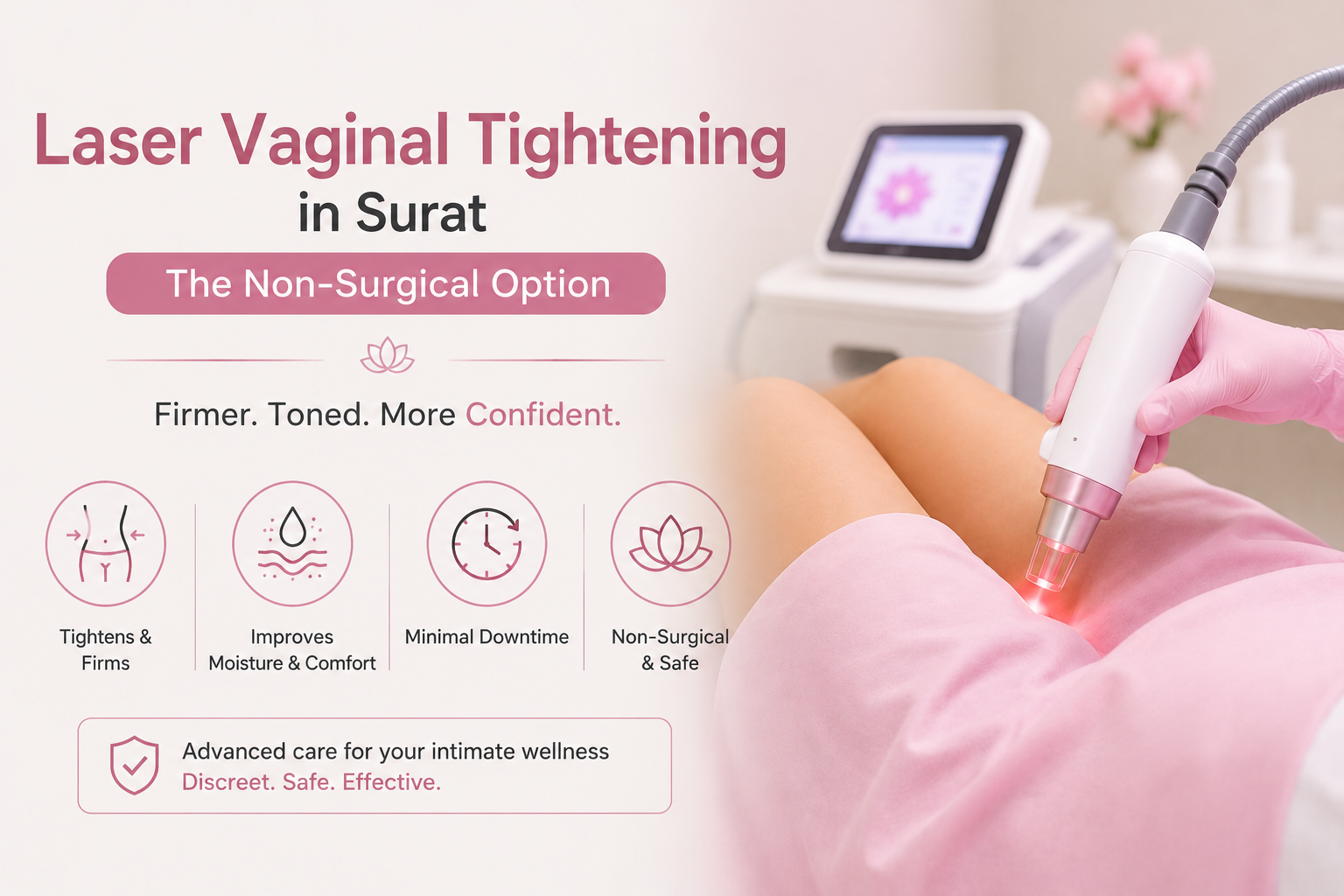
RF Collagen Stimulation describes the use of radiofrequency heat in the hope that tissue will respond by building fresh collagen. Nothing is injected and nothing is taken away. Instead, warmth is applied at a controlled level and the body is left to react over the following weeks. Whether that reaction happens reliably in intimate tissue is a fair question, and this page tries to answer it plainly. The device side of the subject is covered on our RF vaginal tightening page.
What do collagen and elastin actually do?
Collagen gives tissue its strength, while elastin allows it to stretch and spring back. Think of collagen as the rope and elastin as the elastic band woven between the ropes. Both sit in a supporting layer under the surface lining, held within a jelly like ground substance. Because the vagina must stretch and then recover, this mixture matters a great deal there. Ground substance also holds water, therefore it affects how moist and supple everything feels.
How does this tissue change over time?
Tissue changes mainly with falling oestrogen levels and with the ordinary effects of ageing. After menopause the lining becomes thinner, collagen turnover slows and stretch is partly lost. Childbirth adds a different kind of change, since the supporting layers can be stretched or torn. Meanwhile, blood supply and glandular activity also reduce, which is why dryness and laxity so often appear together. Above all, these are normal biological changes and not faults.
Why is heating said to stimulate remodelling?
Heating is said to work because collagen fibres begin to contract and partly unwind at raised temperatures. That mild disruption is thought to be read by the body as an injury signal. Fibroblasts, the cells that make collagen, are then expected to switch on and lay down new fibres over several weeks. In laboratory conditions this sequence has been observed. Whether the same sequence produces a change a woman can actually feel is a separate question altogether.
How much of this comes from skin research?
Most of it comes from facial and body skin research rather than from studies of intimate tissue. Skin has been studied for decades, therefore heat thresholds, healing patterns and collagen responses are reasonably well described there. Vaginal lining, by contrast, is structurally different, thinner and far more affected by hormones. Extrapolating from one to the other is convenient but it is not proof. Honest practice, consequently, treats RF Collagen Stimulation in intimate tissue as plausible rather than established.
What is the difference between skin and vaginal lining?
The two are similar only in the broadest sense. Skin carries a tough outer keratin layer, whereas the vaginal lining is a moist mucosa without one, so heat behaves differently in each. Blood supply, bacterial environment and hormonal sensitivity all differ as well. Below is a simple comparison of the points that matter most when heat is applied.
| Feature | Facial skin | Vaginal lining |
|---|---|---|
| Outer protective layer | Thick keratin | None, moist mucosa |
| Main influence over time | Sun exposure and ageing | Oestrogen levels and childbirth |
| Depth of research | Decades of published study | Comparatively little |
| Healing after heat | Well described | Less well understood |
What do regulators say about these devices?
Regulators have not given specific approval to energy based devices for vaginal laxity, dryness, sexual function or urinary incontinence. A safety communication from the US Food and Drug Administration warned clinics against marketing them in that way, and it referred to reports of burns, scarring and lasting pain. ACOG and other professional bodies have stated that the evidence so far does not support efficacy claims. Because of that, we describe the biology as a theory still being tested and not a settled fact. Treatment here follows a full gynaecological assessment, and only where a woman accepts how thin the evidence currently is.
What happens in the weeks after a session?
In theory a slow repair process runs quietly for six to twelve weeks after each session. New collagen is thought to be laid down gradually, which is why any change would be expected late rather than immediately. Some women report tissue feeling a little more supple during that window. Others notice nothing whatsoever, and that outcome is common enough to be planned for. Because collagen cannot be measured in a clinic room, all of this remains inference rather than proof.
Who should this be discussed with?
It should be discussed only with women who have been examined and whose symptoms have a clear explanation. Dryness, soreness and laxity can all be caused by infection, thinning from low oestrogen, skin conditions or prolapse. Treating the actual cause usually helps far more than warming the tissue, therefore assessment always comes first. Local oestrogen or a simple moisturiser, for instance, may be the sensible first step. Where surgery would genuinely suit better, we say so and explain why.
What results should I expect?
Expect uncertainty, because that is the honest position. Some women report a modest change in comfort, while others report none at all. No reliable way exists to predict which group you will fall into. Any effect that does occur is likely to fade, so repeat treatment tends to be suggested afterwards. Above all, be wary of any clinic that describes the outcome in confident numbers.
What are the risks?
Risks include burns, blistering, scarring and pain that continues after the session has ended. Infection can follow anything placed inside the vaginal canal. Additionally, tissue that is already thin and fragile after menopause may be more vulnerable to heat rather than less. The likeliest disappointment, though, is spending money and noticing nothing. Below are the risks we go through before any woman decides.
- Burns or blisters on a delicate lining.
- Scar tissue, which can be hard to reverse.
- Pain during intimacy that was not there before.
- Infection, or a flare of an existing one.
- No measurable or noticeable change at all.
What does it cost in India?
Cost varies with the device, the number of sessions and the setting in which treatment is done. Fees are quoted in rupees throughout. Publishing a price without examining a woman would be misleading, therefore we avoid doing so. You receive a clear written estimate after examination, covering the full course rather than one visit. Given the uncertainty around benefit, small steps are wiser than a large package paid for upfront.
Why choose Elegance Clinic?
Elegance Clinic in Surat is willing to explain the biology honestly, including the parts that are not settled. Dr. Ashutosh Shah assesses first and treats second, because a symptom with a treatable cause deserves proper care. Marketing language is deliberately kept out of our consultations. Many women find that understanding RF Collagen Stimulation properly changes what they want to do next, and that is a useful outcome either way. Other options are compared on our non surgical rejuvenation page.
You are welcome to book a private consultation with Dr. Ashutosh Shah in Surat if you would like this explained in person. Questions about the science are welcome, and none of them are treated as silly. Nothing needs deciding during that first visit.
Note: This page is for general information and is not a substitute for a medical consultation. Non surgical intimate treatments are not specifically approved by regulators for these uses, evidence of benefit is limited, and results vary between individuals. Dr. Ashutosh Shah will advise honestly whether a treatment is appropriate for you.
Ready to Talk, Privately?
Book a confidential consultation with Dr. Ashutosh Shah. There is no pressure, only clear and honest guidance.