What is Internal RF Tightening?
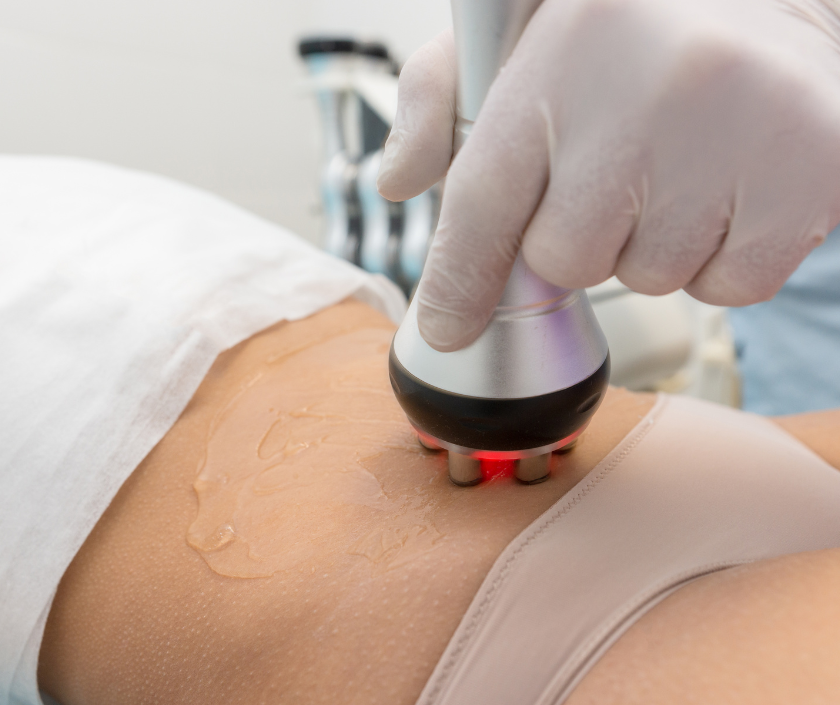
Internal RF Tightening is a non surgical treatment in which radiofrequency energy is passed into the wall of the vaginal canal through a smooth handheld probe. The energy warms tissue gently instead of cutting it. Because nothing is removed, there is no wound and no stitching afterwards. However, it is only fair to say at the outset that the evidence behind these devices is limited. Our wider overview sits on the RF vaginal tightening page, while this page looks closely at the internal treatment itself.
Why do women ask about radiofrequency treatment?
Most women ask because something feels different in the vaginal canal after childbirth or with ageing. Comfort during intimacy, a sense of looseness and dryness are the usual descriptions. Some also hope to avoid an operation, therefore a treatment with no cutting sounds appealing. Importantly, every one of those symptoms can have a medical cause. Infection, thinning of the lining, prolapse and hormonal change all feel similar from the inside, so an examination must come first. Below are the reasons women give most often at consultation.
- A feeling of reduced friction or grip during intimacy.
- Dryness that has crept in slowly over many months.
- Discomfort that began after a vaginal delivery.
- A wish to stay away from surgery, at least for now.
- Curiosity after reading about devices online.
How does radiofrequency heat vaginal tissue?
Radiofrequency works by passing a high frequency electrical current through tissue, which meets resistance and turns into gentle heat. The probe head is shaped to spread that heat evenly across the lining. Temperature is watched throughout, because the aim is warmth and never burning. Sensors and cooling built into most devices help hold the surface within a safe band. In theory, controlled warming prompts the body to lay down fresh collagen over the following weeks. Whether that reliably changes how a woman feels, however, is still unsettled.
How is it different from laser treatment?
The main difference is how the energy reaches the tissue. Laser devices deliver light that is absorbed near the surface, often in tiny columns, whereas radiofrequency drives current through a deeper volume of tissue. Consequently, radiofrequency tends to feel like steady warmth, while laser feels sharper and more prickly. Neither approach has been shown to beat the other in good quality comparisons. Below is a plain summary of the practical differences.
| Feature | Radiofrequency | Fractional laser |
|---|---|---|
| Energy used | Electrical current turned into heat | Light absorbed by water in tissue |
| Surface lining | Usually left intact | Tiny controlled treated zones |
| Usual sensation | Steady warmth and pressure | Prickly, with brief stinging |
| Common advice after | Avoid intimacy for a few days | Avoid intimacy for about a week |
Who might be suitable for it?
Suitability is decided after a gynaecological examination, never from a phone call or a website form. A woman is usually considered only when her cervical screening is current, there is no active infection, and she is not pregnant. Moreover, she must understand that evidence is limited and that not everyone responds. Where laxity is marked, surgery may genuinely be the better answer, and we will say so plainly. In that situation vaginoplasty is discussed honestly rather than a device being sold.
How is a session carried out?
A session happens in the clinic and takes roughly thirty minutes from start to finish. You lie as you would for a routine examination, and a slim probe is inserted and moved slowly in a set pattern. No anaesthesia is normally needed, although some women prefer a numbing gel at the entrance. Meanwhile, the device reports surface temperature, and the operator adjusts the energy as it goes. Afterwards you dress and leave, and driving yourself home is perfectly fine.
What do regulators actually say about these devices?
Regulators have not specifically approved energy based devices for treating vaginal laxity, dryness, sexual function or urinary incontinence. The US Food and Drug Administration has issued a safety communication cautioning against exactly these marketing claims, and it referred to reports of harm including burns, scarring and lasting pain. Professional bodies, including ACOG, have said the current evidence does not support efficacy claims for such devices. Therefore we treat any promise of a guaranteed result as a warning sign rather than a selling point. At Elegance Clinic these treatments are offered only after a proper gynaecological assessment, and only where a woman clearly understands how limited the evidence is.
What does the treatment feel like?
Most women describe it as warm and oddly ordinary rather than painful. Pressure from the probe is usually the strongest sensation, and the heat builds slowly instead of arriving suddenly. If discomfort appears at any point, the energy is lowered or the session is paused. Some feel a little tender for a day, whereas others notice nothing at all afterwards. Above all, you should never be told to tolerate pain during an elective treatment.
How many sessions are typical?
Internal RF Tightening is usually offered as a course rather than a single visit. Three sessions, spaced roughly four to six weeks apart, is the common pattern. Some clinics suggest a further session later in the year, however that should be a discussion and not a fixed plan. Because responses vary so much, we prefer to review after the second session and stop if nothing is changing. Continuing to pay for treatment that is not helping serves nobody.
What results should I expect?
Expect modest change at best, and accept that some women notice nothing at all from Internal RF Tightening. Reported improvements, where they occur, tend to appear gradually over two to three months rather than immediately. Any change is likely to soften with time, so this is not a one off fix. Nobody can predict who will respond, because reliable predictors have not been established. In short, go in hopeful but grounded, and be ready for the possibility of no benefit.
What are the risks?
Risks are real, even though the treatment involves no cutting. Reported problems include burns, blistering, scarring, ongoing pain and pain during intimacy. Infection is possible whenever anything is placed inside the vaginal canal. Additionally, the most common disappointment is simply no benefit at all after paying for a full course. Below are the points we go through with every woman before she decides.
- Burns or blistering of the vaginal lining.
- Scarring, which can be difficult to treat afterwards.
- Pain that lasts well beyond the session itself.
- Infection, or a flare of an existing one.
- No improvement whatsoever, despite completing the course.
What does it cost in India?
Cost in India depends on the device used, the number of sessions and the clinic setting. Fees are quoted in rupees, and a full course naturally costs more than a single visit. Publishing a figure without an examination would be misleading, therefore we do not do it. Instead you receive a clear written estimate after examination, with the whole course set out. Because benefit is uncertain, we would rather you spend carefully than commit to a long package upfront.
Why choose Elegance Clinic?
Elegance Clinic in Surat offers an unhurried consultation with Dr. Ashutosh Shah, who will say honestly if he does not think a treatment will help. Assessment comes first, always, because a symptom with a medical cause needs treating properly rather than warming with a probe. Privacy is built into how appointments are arranged, and more detail sits on our privacy and confidentiality page. Many women leave better informed without booking anything, which we regard as a perfectly good visit.
Should you wish to talk it through, a private consultation with Dr. Ashutosh Shah in Surat can be arranged at a time that suits you. Bring every question you have, and take as long as you need. Nothing has to be booked on the day you first come in.
Note: This page is for general information and is not a substitute for a medical consultation. Non surgical intimate treatments are not specifically approved by regulators for these uses, evidence of benefit is limited, and results vary between individuals. Dr. Ashutosh Shah will advise honestly whether a treatment is appropriate for you.
Ready to Talk, Privately?
Book a confidential consultation with Dr. Ashutosh Shah. There is no pressure, only clear and honest guidance.