
What are the Vaginal Dryness Treatment Options that actually work?
The options with the strongest evidence are vaginal moisturisers, lubricants and local oestrogen, and for most women one of these is enough. Moisturisers are used regularly to hold water inside the vaginal lining, whereas lubricants are used at the time of intimacy to reduce friction. Local oestrogen, supplied as a cream, a pessary or a ring, treats thinning of the tissue itself. Because these three are established, effective and usually first line, they are discussed before anything else at Elegance Clinic. Devices enter the conversation later, and only with a frank account of what the evidence does and does not show. Our vaginal dryness page sets out the wider picture.
Why does vaginal dryness happen?
Dryness happens when the vaginal lining makes less moisture, and the reasons are usually hormonal, medical or situational. Falling oestrogen after menopause is the commonest reason, however it is far from the only one. Breastfeeding lowers oestrogen for a while, therefore many women notice soreness for months after a baby arrives. Several medicines contribute, including some contraceptives, antidepressants, antihistamines and treatments used in breast cancer care. Skin conditions such as lichen sclerosus, alongside diabetes, thyroid disease and Sjogren syndrome, present in the same way. Meanwhile, anxiety, low desire and relationship strain reduce natural lubrication in women whose hormones are entirely normal.
Why must the cause be assessed first?
Assessment comes first because very different problems feel identical to the woman living with them. Thrush, bacterial infection, atrophy of the lining, prolapse, a skin condition and a simple hormonal change can each produce burning, soreness and pain during intimacy. Consequently, treating the wrong one wastes months and occasionally makes matters worse. A gynaecological examination, plus a swab or a blood test where the picture is unclear, sorts this out quickly. Above all, bleeding after intimacy, a lump, an ulcer or a new discharge needs proper investigation rather than a cosmetic treatment. Nothing is offered here before that step is complete.
How do moisturisers and lubricants help?
They help by restoring comfort directly, and they work well for a great many women. A vaginal moisturiser is applied every two or three days, and it holds water within the tissue rather than changing hormones. Lubricants, by contrast, are used at the moment they are needed. Water based products suit most women, silicone based ones last longer, while oil based products should not be used with condoms. Importantly, strongly perfumed gels, glycerin heavy products and household oils often irritate sensitive skin. Read the label and check that the product is intended for internal use.
When is local oestrogen prescribed?
Local oestrogen is prescribed when dryness comes from thinning of the vaginal lining, and it addresses the cause rather than masking it. Supply is as a small cream applicator, a pessary or a ring, and the amount reaching the bloodstream stays very low. Improvement usually builds over several weeks, therefore patience is needed early on. However, hormone decisions belong with your treating doctor, particularly after breast cancer, a blood clot or unexplained bleeding. Your gynaecologist or oncologist will weigh that history properly. Alternatives such as vaginal dehydroepiandrosterone exist in some settings and can be raised at the same visit.
Where do laser and PRP fit in?
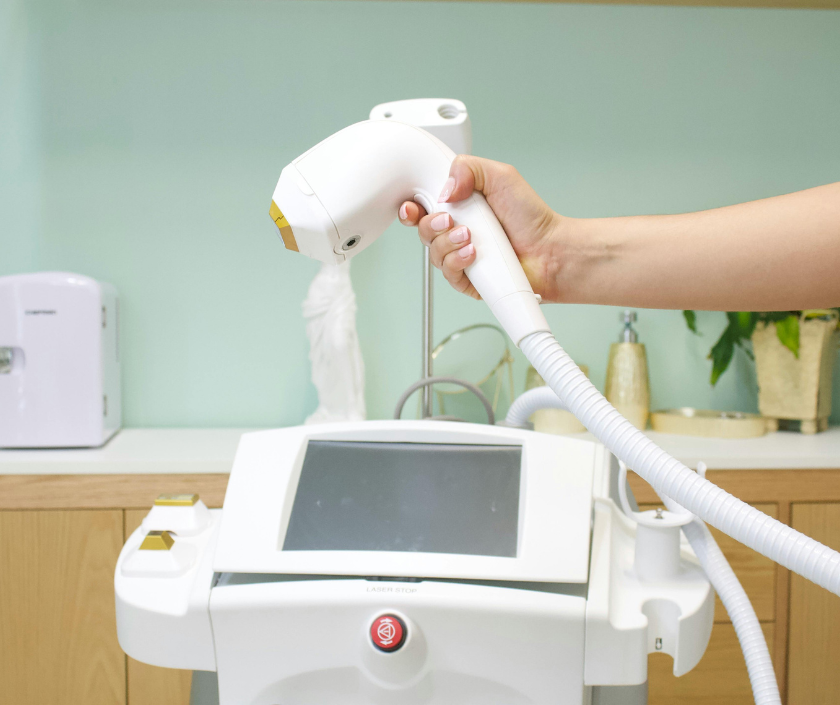
Laser and platelet rich plasma sit well behind the established choices, and they deserve an honest description rather than an enthusiastic one. Fractional carbon dioxide and erbium lasers deliver controlled heat to the vaginal wall in the hope of stimulating collagen and improving moisture. PRP means injecting a concentrate prepared from your own blood into the vaginal wall. Both are widely marketed, yet the published evidence remains limited, short in follow up and inconsistent between studies. Some randomised work comparing laser against a dummy treatment found no meaningful difference. Therefore these are presented here as optional, uncertain and secondary.
What do regulators and professional bodies say?
Regulators have been unusually direct about these devices, so their position deserves its own section. Energy based devices are not specifically approved for treating vaginal laxity, dryness, sexual function or urinary incontinence. The US Food and Drug Administration has cautioned about exactly these claims and has described reported harms including burns, scarring and lasting pain. Professional bodies, among them the American College of Obstetricians and Gynecologists, state that the evidence does not support efficacy claims. Consequently, any woman considering a device deserves that information before she pays, not afterwards.
Who might reasonably consider a device?
A device might reasonably be considered by a woman who has been assessed, has genuinely tried established care and still wishes to discuss it. Even then, a frank conversation comes first. Treatment is generally unsuitable where there is:
- Dryness that has never been examined by a doctor
- Untreated infection, or a suspected skin condition such as lichen sclerosus
- Bleeding after intimacy, or any unexplained vaginal bleeding
- Significant prolapse, which needs assessment in its own right
- Pregnancy, or a delivery within the last three months
- An abnormal cervical screening result that has not been followed up
Furthermore, a woman who has never tried a moisturiser or local oestrogen is being poorly served if a device is put to her first.
How do the choices compare?
The comparison is short, because the established choices lead clearly on evidence.
| Choice | Evidence | How it is used |
|---|---|---|
| Lubricants | Well established | Applied at the time of intimacy |
| Vaginal moisturisers | Well established | Applied every two or three days |
| Local oestrogen | Well established, prescribed | Regular use, reviewed by your doctor |
| Vaginal laser | Limited and inconsistent | A course of sessions, effect uncertain |
| PRP injections | Limited, mostly small studies | One or more sessions, effect uncertain |
Read that table before deciding, since it reflects what the literature currently shows.
What does a session involve and what is recovery like?
A session is done awake in the clinic and takes roughly twenty to thirty minutes. Numbing gel goes on first, then a slim probe is passed into the vagina and moved in short measured passes. PRP instead involves a blood sample, preparation in a centrifuge and several small injections after local anaesthesia. Afterwards, mild warmth, spotting or a watery discharge may last a day or two. Intimacy and tampons are avoided for about a week. Should burning pain, fever or heavier bleeding appear, telephone the clinic rather than waiting for the next appointment.
What results should I expect?
Expect modest change at best, and accept that results vary between individuals. Some women describe less soreness and easier intimacy for a period of months after a course, while others notice nothing at all. Any effect that does appear tends to fade, so repeat treatment is usually proposed later. By contrast, women using local oestrogen commonly report reliable comfort for as long as they continue it. Nobody here will tell you that dryness has been dealt with for good. Setting expectations honestly is part of the consultation rather than an afterthought.
What are the risks?
Risks are real, even though these treatments are described as non surgical. Reported problems after energy based treatment include burns, blistering, scarring, lasting pain and worsening of the very symptom that prompted the visit. Scar tissue within the vaginal wall can make intimacy more uncomfortable than before. PRP carries bruising, tenderness and a small chance of infection at the injection sites. Meanwhile, local oestrogen may cause mild irritation or light spotting early on, which usually settles. Above all, the largest risk is delay, because months on an unproven route are months away from care that works.
What does treatment cost in India?
Cost in India is quoted in rupees and depends entirely on the route you choose. Moisturisers and lubricants are inexpensive and bought over the counter, whereas local oestrogen is a prescription cost that continues while you use it. Laser and PRP are charged per session and a course is normally suggested, so the total runs considerably higher. That difference is explained openly, because the cheaper route carries the stronger evidence. You will receive a clear written estimate after examination, covering consultation, tests and anything agreed. Nothing is quoted over the telephone.
Dryness is common, treatable and worth raising, even though many women wait years before mentioning it. Dr. Ashutosh Shah offers unhurried, private consultations at Elegance Clinic in Surat, with a female attendant present and no pressure to book anything on the day. Should you wish to understand your own Vaginal Dryness Treatment Options properly, you are welcome to arrange a private consultation. Related reading sits on our menopause intimate care and sexual wellness pages.
Note: This page is for general information and is not a substitute for a medical consultation. Non surgical intimate treatments are not specifically approved by regulators for these uses, evidence of benefit is limited, and results vary between individuals. Dr. Ashutosh Shah will advise honestly whether a treatment is appropriate for you.
Ready to Talk, Privately?
Book a confidential consultation with Dr. Ashutosh Shah. There is no pressure, only clear and honest guidance.