
What is a Pelvic Floor Strengthening Program?
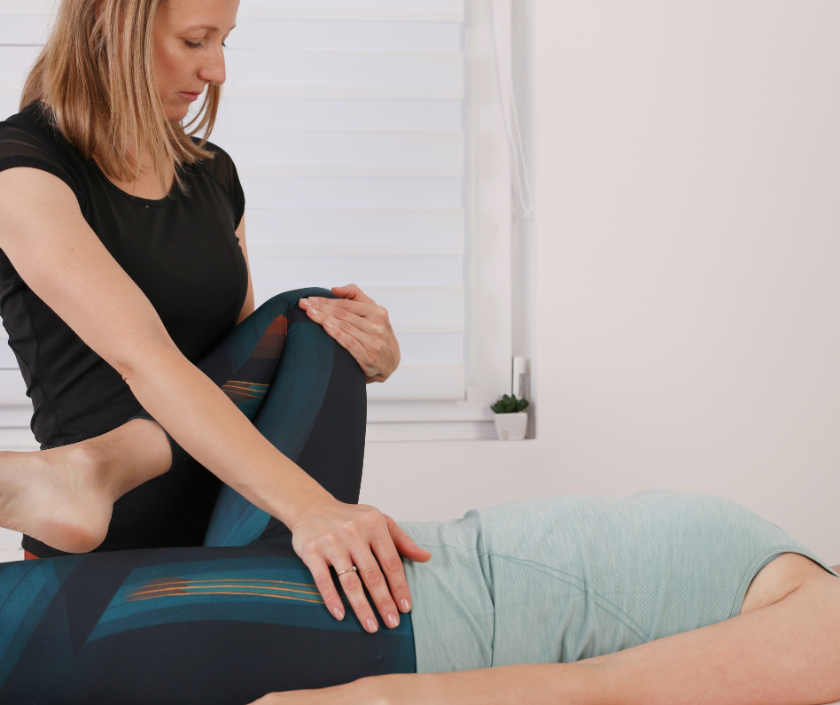
A Pelvic Floor Strengthening Program is a supervised, progressive course of exercise taught and checked by a trained professional. It is not a leaflet, and it is not a few squeezes remembered at traffic lights. Assessment comes first, then correct technique is confirmed, then the work is made steadily harder across several months. Because this approach has the strongest evidence of anything offered in intimate health, it is treated here as the main event rather than a lesser option. Our pelvic floor programme page introduces the service.
Why is this the best evidenced option available?
Evidence for supervised pelvic floor muscle training is stronger, longer and more consistent than for any device in this field. Trials and systematic reviews across decades support it for stress urinary incontinence, and guidelines worldwide place it first. Supervision matters greatly, because programmes with regular professional contact outperform instructions handed out once. Furthermore, the benefits are yours to keep, since strength you build can be maintained by you alone. Energy based devices, by contrast, are not specifically approved for treating vaginal laxity, dryness, sexual function or urinary incontinence. A caution issued by the US Food and Drug Administration covers exactly these claims and describes reported harms including burns, scarring and lasting pain, while professional bodies say the evidence does not support efficacy claims.
What does the pelvic floor actually do?
These muscles form a supportive sling from the pubic bone to the tailbone, holding the bladder, uterus and bowel. They tighten to keep urine and wind in, and they relax to allow passing urine, opening the bowels and comfortable intimacy. Pregnancy, delivery, chronic cough, constipation, heavy lifting, weight and ageing all strain them. Consequently, weakness shows up as leaking, a dragging heaviness, or a feeling that support has been lost. Importantly, some women have muscles that are too tight rather than too weak.
What does training help with?
Training helps with a defined list of problems, and honesty about that list matters as much as enthusiasm. Reasonable expectations include improvement in:
- Leaking urine with coughing, sneezing, laughing or exercise
- Urgency and how often the bladder demands attention
- Early prolapse symptoms such as heaviness or dragging
- Recovery of strength and control after childbirth
- Confidence during exercise, work and daily activity
- Discomfort caused by overly tight muscles, using relaxation work instead
However, advanced prolapse and severe leakage need specialist assessment alongside, not exercise on its own.
Why does supervision matter so much?
Supervision changes results because technique is genuinely difficult to get right unaided. Studies repeatedly find that a large share of women contract the wrong muscles when first assessed, often squeezing the buttocks or, worse, bearing down. Bearing down loads the pelvic floor rather than lifting it, therefore months of diligent practice can make symptoms worse. A physiotherapist confirms the contraction, corrects it and progresses it safely. Moreover, regular appointments keep people practising, which is half the battle.
How do I know I am using the right muscles?
The correct action feels like a gentle lift and squeeze inwards and upwards, around the front and back passages together. Breathing continues normally, and the buttocks, thighs and abdomen stay relaxed. Nothing should visibly push outwards. Assessment by a professional remains the only reliable check, since self testing is unreliable and stopping the flow of urine repeatedly is unhelpful and potentially harmful. Therefore the first appointment is spent confirming technique before any programme is written.
What is biofeedback and when is it used?
Biofeedback shows you what your muscles are doing, usually on a screen or through a simple sensor. Where a woman cannot feel the contraction, or where repeated attempts remain incorrect, it makes the invisible obvious. Electrical stimulation is sometimes added for very weak muscles, helping to produce a contraction that can then be learned. Meanwhile, vaginal cones or weights suit some women as a progression tool. None of these replaces the exercise itself, they simply make learning it faster.
How is the programme made progressive?
Progression follows the same logic as any other muscle training, gradually and with review. Early work focuses on holding a correct contraction for a few seconds and repeating it in a comfortable position. Hold time, repetitions and difficulty then increase, and quick contractions are added for coughing and sneezing. Later, exercises move into sitting, standing and finally into activities that provoke symptoms, such as lifting a child. Consequently, the programme ends looking nothing like where it began.
Why must symptoms be assessed before starting?
Assessment protects you from training around an undiagnosed problem. Leaking, heaviness, pain and reduced control arise from prolapse, infection, an overactive bladder, diabetes, thyroid disease, neurological conditions, skin conditions, low oestrogen and certain medicines. Some women have tight, painful muscles for which strengthening is exactly the wrong instruction. Therefore examination, a bladder diary and simple tests come before the first exercise. Anyone with bleeding, severe pain or rapidly worsening symptoms is referred for specialist review instead.
What is a realistic timeline?
Realistic progress is measured in months, not days, and consistency beats intensity every time.
| Period | Focus | What women usually notice |
|---|---|---|
| Weeks one to two | Confirming correct technique | Awareness improves, little symptom change |
| Weeks three to six | Building hold time and repetitions | Early control gains for some women |
| Months two to three | Adding quick contractions and positions | Symptoms often begin easing |
| Months four to six | Functional and activity based work | Best gains typically appear |
| Beyond six months | Maintenance | Gains hold while practice continues |
Stopping altogether allows strength to fade, exactly as it would anywhere else in the body.
When is training not enough on its own?
Training is not always sufficient, and saying so is part of honest care. Advanced prolapse, heavy or continuous leakage, leaking after pelvic surgery or radiotherapy, and neurological bladder problems all need specialist management. A Pelvic Floor Strengthening Program still has value alongside such care, yet it should not delay referral. Our mild stress incontinence page explains when urogynaecology should be involved. Meanwhile, women within a year of delivery are often best served by physiotherapy alone, as described on our postpartum rejuvenation page.
What are the risks and limits?
Risks are minimal, which is a large part of the appeal. Temporary muscle ache after new exercise is normal and settles. Incorrect technique is the real hazard, since bearing down repeatedly can worsen prolapse symptoms, and that is precisely why supervision is insisted upon. Women with pelvic pain from overly tight muscles need relaxation and release work rather than squeezing. Results vary between individuals, and no programme can promise that every symptom will resolve completely.
What does a programme cost in India?
Costs are quoted in rupees per session, and a course is usually spread over several months. Compared with device courses or surgery, this remains the least expensive route in intimate health, and it carries the best evidence, which is an unusual and welcome combination. Home practice adds nothing to the bill. Some women need only a handful of supervised appointments once technique is secure. You will receive a clear written estimate after examination, listing assessment, sessions and any equipment suggested.
Committing to pelvic floor work rewards patience more than almost anything else in this field. Dr. Ashutosh Shah will assess you, arrange supervised physiotherapy and review progress honestly rather than steering you towards a procedure. Elegance Clinic in Surat keeps these consultations private, unhurried and free of pressure, with a female attendant present. Should you wish to begin properly, you are welcome to arrange a private consultation.
Note: This page is for general information and is not a substitute for a medical consultation. Non surgical intimate treatments are not specifically approved by regulators for these uses, evidence of benefit is limited, and results vary between individuals. Dr. Ashutosh Shah will advise honestly whether a treatment is appropriate for you.
Ready to Talk, Privately?
Book a confidential consultation with Dr. Ashutosh Shah. There is no pressure, only clear and honest guidance.