What is microneedling for perigenital skin?
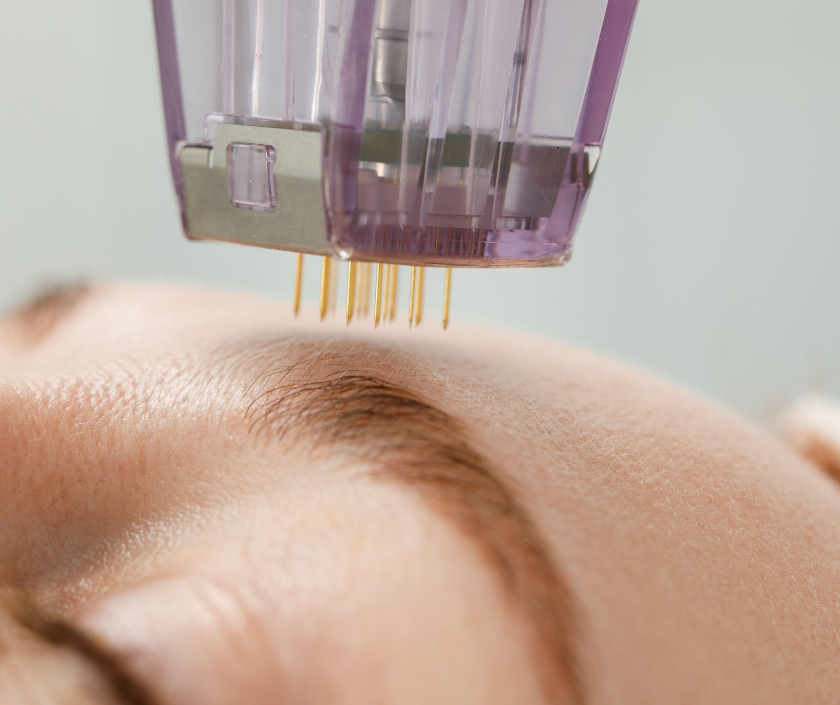
Microneedling is a treatment in which very fine sterile needles make thousands of tiny punctures in the skin, because that prompts repair. Each puncture is minute and closes quickly, yet together they signal the skin to rebuild collagen and elastin over the following weeks. No heat is required in the basic form of the treatment, which is one reason it appeals in brown skin. Microneedling for Perigenital Skin is used on the outer skin around the genital area, never inside the vaginal canal.
Why do women consider it in this area?
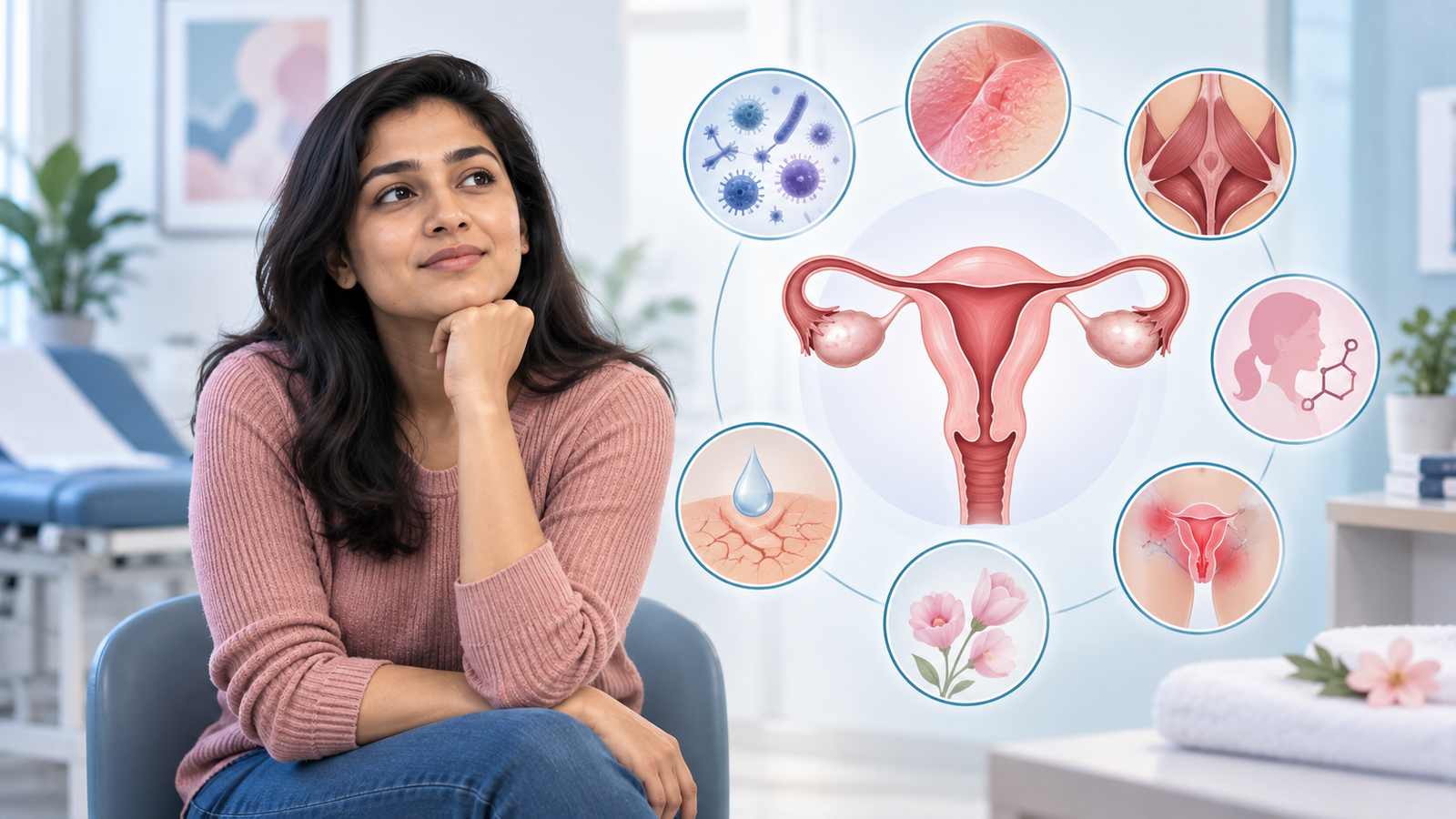
Women usually come because the skin here feels rough, thin or slightly crinkled rather than because of any shape concern. Grooming habits play a large part, since repeated shaving and waxing leave the surface uneven over years. Hormonal change around and after the menopause thins this skin further, while weight change adds crepiness. Above all, many simply want the area to feel comfortable and smooth in clothing.
What does controlled micro injury actually mean?
Controlled micro injury means deliberately creating damage small enough to heal cleanly, yet real enough to trigger rebuilding. Skin responds to injury with a predictable sequence of clotting, inflammation and remodelling, though remodelling is the phase that lays down new collagen. Because the injury is confined to narrow channels, surrounding healthy tissue supports fast repair. Depth is set by the operator, therefore the same device can be gentle on thin labial skin and firmer on the pubic mound.
Which concerns does it suit?
Texture problems suit it best, whereas volume problems do not suit it at all. Reasonable reasons to ask about the treatment include the following.
- Crepey, papery skin over the labia majora or the pubic mound
- Rough patches and ingrown hair marks left by years of shaving
- Fine surface lines that appear when the skin is stretched gently
- Uneven texture alongside stretch marks at the bikini line
- Skin that feels dry and thin, without any lump or ulcer
Conversely, hanging folds, a heavy mound and marked asymmetry will not change. Needles remodel skin, they do not shorten or remove it, so a surgical opinion is more honest where excess tissue is the real issue.
Why does sterile technique matter more here than on the face?
Sterile technique matters more here because the perigenital area is warm, moist, covered by clothing and close to natural bacteria. Facial skin dries within minutes and is exposed to air, whereas this region stays occluded for hours. Consequently an open channel in the skin has a longer window in which bacteria can enter. Single use sterile cartridges, a properly prepared field, fresh gloves and a clean treatment room are therefore basic requirements rather than refinements.
Aftercare carries the same weight. Skin must be kept clean and genuinely dry, cotton underwear helps, and swimming pools, saunas and shared tubs are avoided until the channels have closed. Intimacy is paused for a few days. Should redness spread, pain increase or discharge appear, the clinic needs to see you rather than wait, because early infection is easy to settle and neglected infection is not.
Who is a good candidate?
A good candidate is a healthy adult woman with surface concerns, normal healing and, importantly, no active infection anywhere nearby. Diabetes that is poorly controlled slows healing and raises infection risk, so blood sugar is reviewed first. A history of keloid scarring, current isotretinoin use, pregnancy, active herpes, warts or a fungal rash all mean the treatment waits. Otherwise, most women who accept that improvement is gradual do well.
How is a session carried out?
Sessions run in the clinic on a day care basis, so you leave the same day. Numbing cream sits on the skin for about forty minutes, then the area is cleaned with an antiseptic suitable for mucosal skin. A pen device with a sterile single use cartridge is then passed over the area in several directions at a set depth, producing pinpoint bleeding that stops on its own. Treatment usually takes fifteen to twenty five minutes. Afterwards a bland, sterile moisturiser is applied and you dress and go home.
How many sessions are needed?
A course is needed, because a single session rarely achieves much on its own. Three to six sessions spaced four to six weeks apart is the usual plan, because collagen remodelling continues for weeks between visits. Progress is judged at review rather than assumed, so the plan may be shortened or extended. Many women then choose one or two maintenance sessions a year, since ageing carries on regardless of treatment.
What results are realistic?
Realistic results are smoother, slightly thicker feeling skin and a more even surface, developing across two to four months. Improvement is partial and varies between individuals, therefore nothing can be promised in advance. Stretch marks may look softer without disappearing, and old white marks respond least. Shape, volume and true excess remain unchanged, which is worth accepting before you start rather than discovering later.
What are the risks?
Risks include infection, prolonged redness, bruising, pinpoint scabbing and, though uncommonly, pigment change. Infection deserves emphasis in this location for the reasons already given. Darker marks after healing can occur in melanin rich skin, particularly if the depth was too aggressive or if aftercare slipped. Rarely, treating over an unrecognised condition such as lichen sclerosus makes matters worse, which is exactly why examination precedes treatment. Herpes may be reactivated in women who carry the virus, so preventive medication is sometimes prescribed.
How does it compare with heat based treatments?
Microneedling relies on mechanical injury, while radiofrequency and lasers rely on heat, so the risk profiles differ. The table below summarises the practical points.
| Question | Microneedling | Radiofrequency | Laser |
|---|---|---|---|
| Main mechanism | Micro punctures | Electrical heating | Light absorbed as heat |
| Pigment risk | Low to moderate | Lower | Highest in brown skin |
| Infection risk | Highest, open channels | Low | Moderate |
| Recovery | Two to four days | Hours | One to ten days |
What does it cost in India?
Charges are quoted in rupees, since they depend on the area covered, the depth planned and whether serums or growth factor products are added. Single use cartridges form part of the cost, and cutting that corner is never acceptable. Courses are usually priced as a plan rather than one visit at a time, though the plan should stay flexible if your skin responds early. A clear written estimate is provided after examination.
Why choose Elegance Clinic?
Elegance Clinic in Surat treats this area with the same sterility and assessment standards used for surgery. Dr. Ashutosh Shah examines first, looks for a treatable medical cause where the concern involves colour or itching, and declines treatment where it is unlikely to help. Related choices are set out on our perigenital skin tightening page, while the broader intimate skin and grooming section covers grooming, pigmentation and scars. Where symptoms suggest a medical condition, our conditions pages explain what assessment involves.
To discuss whether Microneedling for Perigenital Skin fits your situation, a private consultation with Dr. Ashutosh Shah in Surat can be arranged discreetly. You are welcome to ask about alternatives, about what will not work, and about doing nothing at all. Our contact page has the details.
Note: This page is for general information and is not a substitute for a medical consultation. Darkening of intimate skin is usually normal, and where it is not, the cause should be assessed before any cosmetic treatment. Results vary between individuals and no outcome can be promised.
Ready to Talk, Privately?
Book a confidential consultation with Dr. Ashutosh Shah. There is no pressure, only clear and honest guidance.