What is ingrown hair treatment?
It is the set of measures used to release hairs that have curled back into the skin, calm the bumps they cause and stop new ones forming. Care usually begins with changes to the way you remove hair, because prevention works better than repeated procedures. Where a bump is already inflamed, a doctor can release the trapped hair safely or prescribe a suitable topical medicine. Meanwhile, the dark marks left behind are handled separately and slowly. Nothing here is an emergency, however a painful or persistent lump does deserve examination.
Why do hairs curl back into the skin?
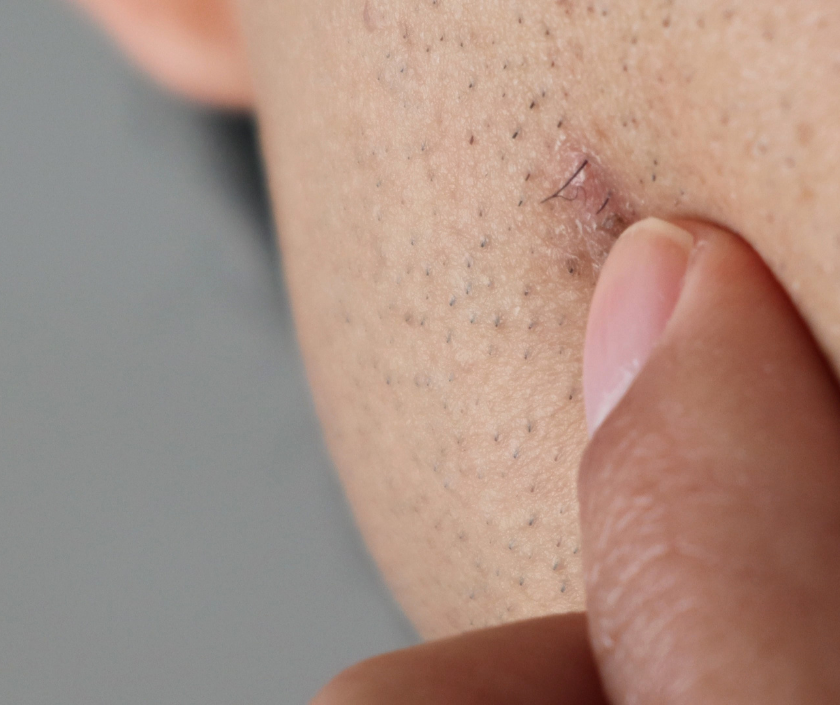
Hairs curl back when a cut hair with a sharp tip grows sideways into the follicle wall, or turns and pierces the skin close by. Curly, coarse hair does this most easily, which is why the bikini line and perigenital area are such frequent sites. Friction from tight clothing, dead skin blocking the follicle opening, sweat and heat all add to it. Consequently a small red bump appears, sometimes with the hair visible just beneath the surface. Some bumps itch, others feel sore, and many settle by themselves within a week or two.
Why do shaving and waxing make it worse?
Shaving leaves a sharp angled tip on every hair, and that tip pierces skin easily as it grows out. Blades dragged against the direction of growth, or passed repeatedly over one patch, worsen matters further. Waxing and threading pull hair out from the root, therefore new hair must find its way through a healing follicle, which it often fails to do. Depilatory creams irritate thin intimate skin and can leave a chemical burn, which then leaves its own mark. In short, every quick method carries a cost, and that cost lands on the same skin every few days.
What are the dark marks and bumps left behind?
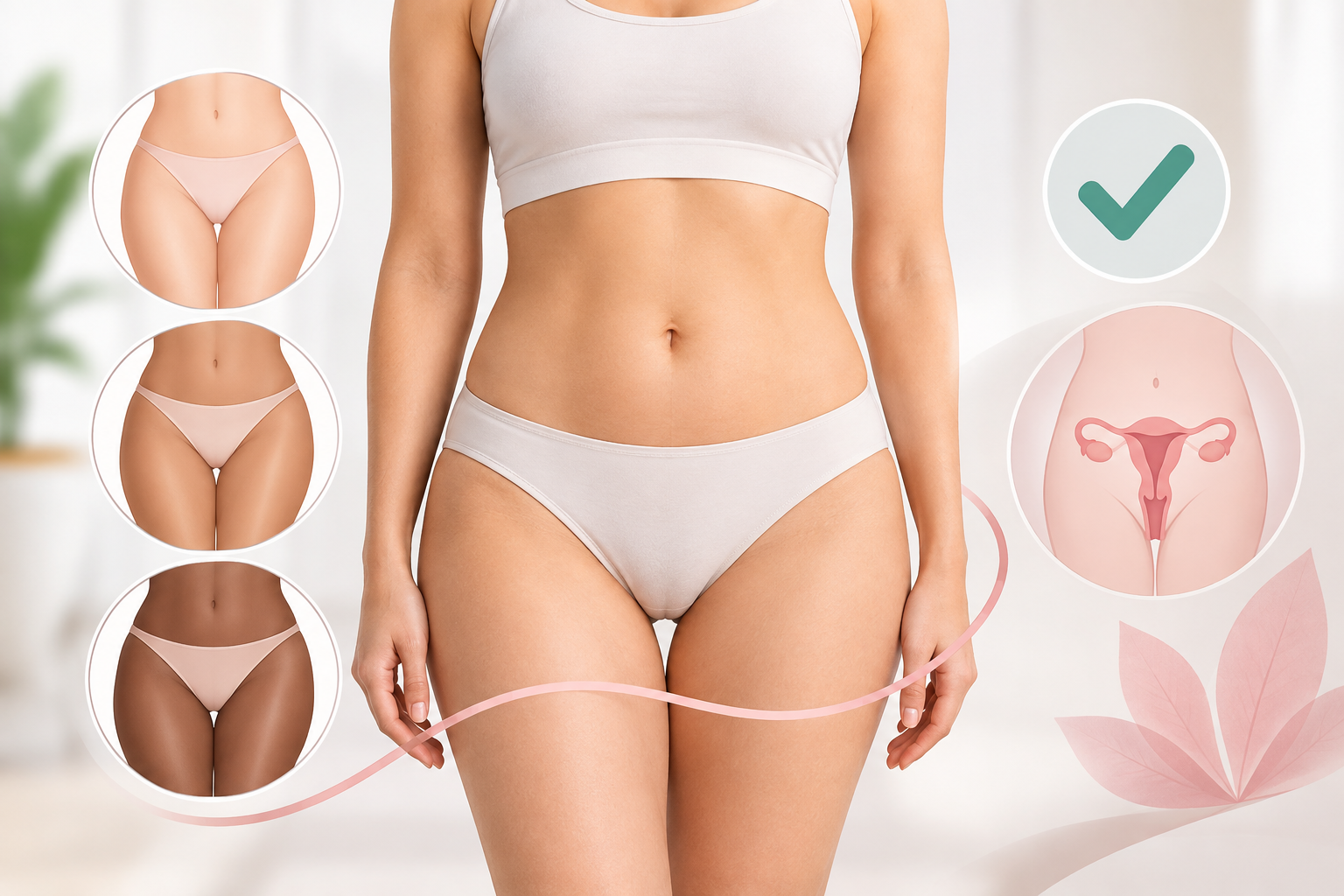
They are post inflammatory pigmentation, the flat brown or grey staining that skin leaves behind once inflammation settles. Bumps are the raised, active part, whereas marks are the memory of bumps that healed weeks earlier. Melanin rich Indian skin stains readily, so a mark commonly outlasts the spot by many months. It also helps to know that skin over the bikini line, inner thighs and perianal area is naturally darker than surrounding skin in most people, because of genetics, hormones, friction and sweat. That natural colour is normal and needs no correction, therefore the honest aim is only to even out marks caused by injury.
Why should I not pick or squeeze them?
Picking is what turns a small bump into the scar or dark patch that women later ask us to treat. Squeezing pushes hair fragments and bacteria deeper, which spreads inflammation and can seed an infection. Tweezers and needles used at home break the surface again, adding fresh injury on top of old. Consequently the mark lasts longer, pigment settles deeper and pitted scars become possible. Keeping your hands away is the single most useful thing you can do.
What can I do at home to prevent them?
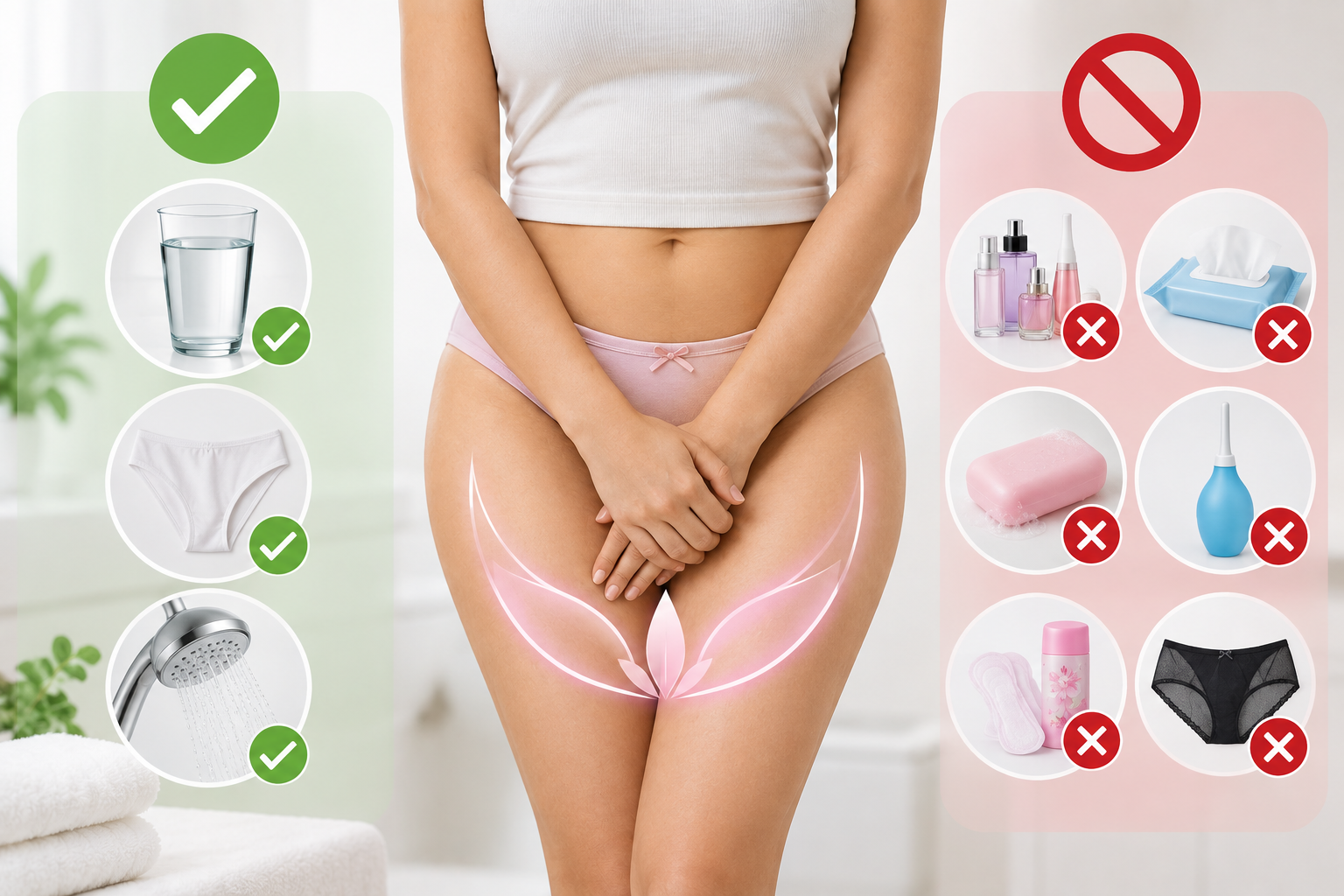
Prevention starts with a hair removal routine that leaves the tip less sharp and the follicle less injured. Below are the measures that help most women, and they deserve a full six weeks before you judge them.
- Trim with a guard rather than shaving close, where that suits you.
- Shave along the direction of growth, using a sharp blade and plenty of gel.
- Cleanse gently and exfoliate lightly twice a week, never over inflamed skin.
- Wear loose cotton underwear and change out of damp gym clothes promptly.
- Moisturise the area, since dry skin blocks follicle openings more easily.
What can a clinic offer if bumps keep coming?
A clinic can release a trapped hair with a sterile needle, which takes seconds and is far safer than digging at it yourself. Topical retinoids, gentle acid preparations and antibiotic creams are prescribed where bumps are frequent or inflamed, while a short oral antibiotic course is used when infection is present. Low strength peels are occasionally used along the bikini line, however intimate skin is thin, moist and covered, so weaker formulations and patch testing are the rule. Ingrown Hair Treatment in a clinic is therefore staged, beginning with the least aggressive option likely to work. Above all, an active infection is settled before any cosmetic procedure is considered.
Is laser hair reduction the more lasting answer?
Often yes, because fewer and finer hairs mean fewer chances for a hair to turn back into the skin. Laser weakens the follicle instead of ripping hair from it, so the repeated injury caused by waxing stops. Several sessions are required, and the aim is long term reduction rather than removal, with maintenance likely afterwards. Correct settings matter enormously in Indian skin, since burns and darkening follow when they are wrong. Detail on all of that sits on our laser hair reduction page.
When is it not just an ingrown hair?
Any lump that spreads, hurts badly, drains pus or returns in the same spot needs a proper look. Fever, a hot swollen area, or a lump that keeps enlarging suggests an abscess rather than a trapped hair. Painful recurring lumps in the groin and underarms can be hidradenitis suppurativa, a medical condition needing long term care. Similarly, itchy darkened patches may be a fungal infection, whereas firm pearly bumps may be molluscum. Our overview page on ingrown hair and folliculitis explains where the line falls, and infected follicles are covered under folliculitis treatment.
How are the dark marks treated?
Marks fade slowly, and the first step is stopping the injury that keeps creating them. Prescription preparations such as azelaic acid, niacinamide or supervised low strength agents are used with care on intimate skin, and improvement is gradual and partial rather than complete. Sunlight is rarely the culprit here, whereas friction and heat certainly are, so loose clothing genuinely helps. Please avoid intimate lightening products sold online and over the counter, because some contain mercury, which is toxic to kidneys and nerves, many contain potent steroids that thin skin and cause rebound darkening, and unsupervised high strength hydroquinone can darken skin instead of easing it. No regulator reviews those creams before they reach a shelf, therefore have anything you use checked by a doctor.
What results should I expect, and how soon?
Expect fewer bumps within roughly six weeks of changing your hair removal routine, and slow fading of marks across three to six months. Improvement is partial for most women, and a flare after returning to old habits is normal rather than failure. Evidence is limited on which topical combination works best for intimate skin specifically, so treatment is adjusted as we go. Older marks fade less readily than recent ones. Patience is genuinely part of the plan.
What does it cost in India?
Cost depends on whether you need advice and a prescription only, or a course of procedures, and fees are quoted in rupees. Simple Ingrown Hair Treatment using topical measures is inexpensive, whereas laser sessions or peels cost more and spread over months. Publishing a figure without seeing the skin would mislead you, therefore we do not. A clear written estimate follows examination and lists exactly what is included. Ask about review visits too, since they form part of proper care.
Why choose Elegance Clinic?
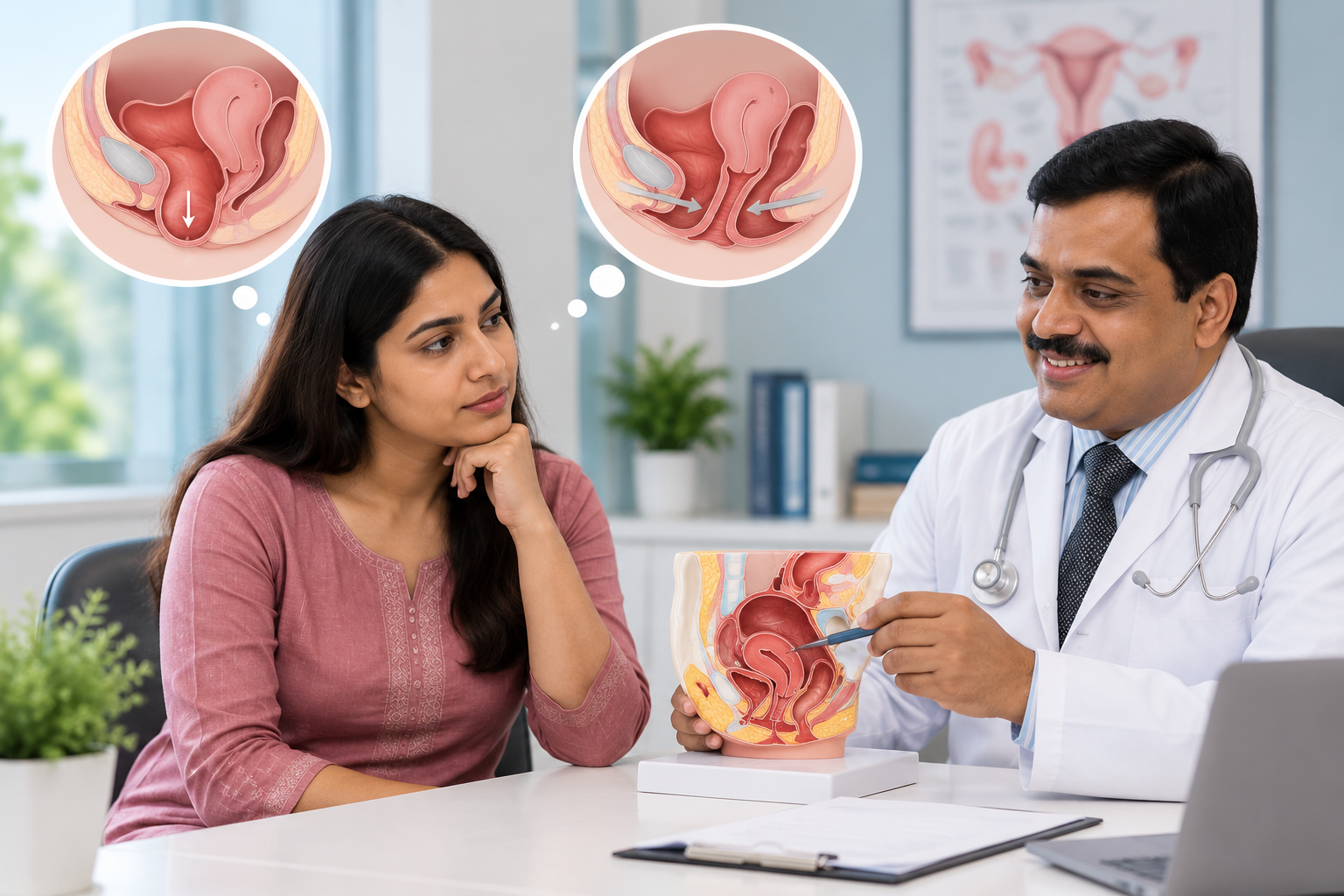
Elegance Clinic in Surat begins with the cause rather than with a machine, which usually saves women both money and irritation. Dr. Ashutosh Shah examines the area, rules out infection and fungal disease, then explains what is realistic before anything is booked. Privacy is taken seriously, and you can read how on our privacy and confidentiality page. Female staff attend intimate examinations, and questions are welcome at every stage.
If bumps and marks are bothering you, a private consultation with Dr. Ashutosh Shah in Surat will sort out what is actually happening and what will help. Advice comes first, and procedures only where they add something. There is no pressure to decide quickly.
Note: This page is for general information and is not a substitute for a medical consultation. Darkening of intimate skin is usually normal, and where it is not, the cause should be assessed before any cosmetic treatment. Results vary between individuals and no outcome can be promised.
Ready to Talk, Privately?
Book a confidential consultation with Dr. Ashutosh Shah. There is no pressure, only clear and honest guidance.