
What are Glutathione Brightening Protocols?
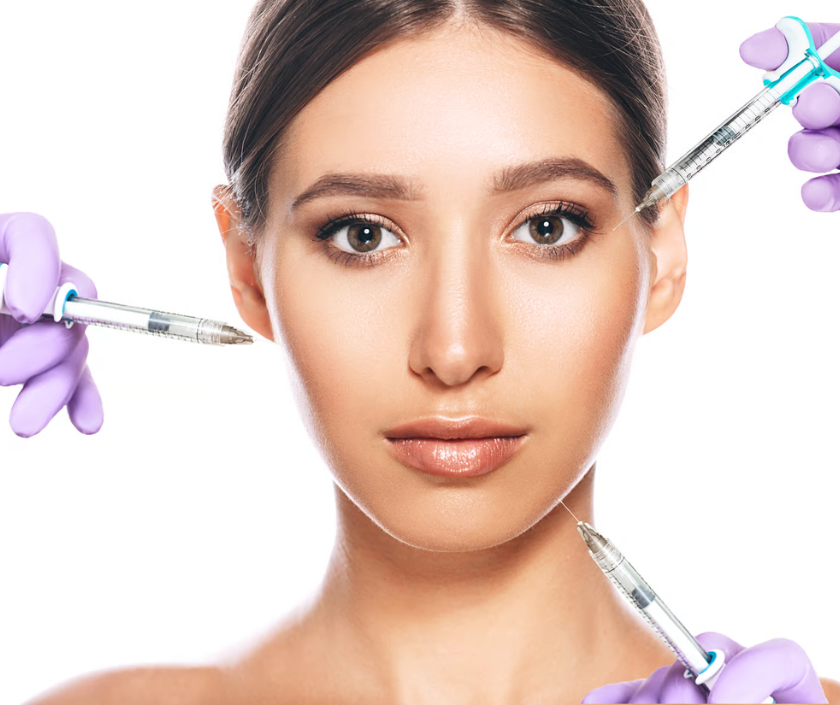
Glutathione Brightening Protocols are marketed regimens that promise lighter skin through glutathione given by injection or drip, and they deserve real caution. Injectable and intravenous glutathione is not approved by any regulator for skin lightening. Evidence that it lightens skin is weak, and intravenous use carries recognised safety concerns. This page therefore exists to inform you honestly and to point you towards a proper assessment. Nothing described on it is offered at this clinic.
What is glutathione in the body?
Glutathione is a small molecule made naturally by human cells from three amino acids, and it is present in almost every tissue. Its main role is to help cells handle oxidative stress and to assist the liver in processing certain substances. Levels shift with age, illness and nutrition. That is the settled biology, and none of it establishes that giving extra glutathione changes a person's skin colour.
Why is the marketing so far ahead of the evidence?
Marketing runs ahead because demand is enormous while oversight of clinics is patchy. A laboratory observation that glutathione can influence which type of melanin a cell makes has been stretched, in advertising, into a promise of visible whole body lightening. Human studies have been small, short and frequently funded by those selling the product. Meanwhile photographs travel well on social media and prove very little. Colourism does the rest of the work, because anything promising lighter skin sells itself in this part of the world, and that pressure falls hardest on women.
| What the advertising suggests | What is actually known |
|---|---|
| An approved treatment for lightening skin | No regulator has approved injectable or intravenous glutathione for this purpose |
| Proven to lighten intimate areas | Human evidence is weak and short term, with no dependable data on intimate skin |
| Safe because the body already makes it | Being made in the body says nothing about the safety of injecting large amounts |
| Results that last | No reliable evidence of lasting change exists |
What do regulators actually say?
Regulators have been unusually direct on this subject. Injectable glutathione holds no approval anywhere for skin lightening, and drug authorities in several countries, including the Philippines, have issued public advisories warning against its use for whitening. Those advisories cite unapproved indications, unlicensed products and reported adverse events. Additionally, the safety of repeated intravenous dosing over months has never been established in proper trials. Consequently any clinic presenting this as routine and approved is describing something regulators have specifically cautioned against.
What safety concerns are recognised?
The recognised concerns are serious enough to end the discussion for most women. Reports connected with intravenous whitening products include severe skin reactions, kidney problems, thyroid disturbance and abdominal symptoms, on top of the ordinary hazards of any drip. Sterility is a separate worry, since unlicensed products and informal settings carry infection and bloodborne virus risk. Below are the concerns most often raised by regulators and in published reports.
- Severe skin reactions, including reports of Stevens Johnson syndrome and toxic epidermal necrolysis.
- Kidney injury described after repeated intravenous use.
- Thyroid disturbance and abdominal complaints.
- Infection, abscess and bloodborne virus risk where sterility is poor.
- Unlicensed or counterfeit products whose true contents are unknown.
- Serious allergic reactions occurring while an infusion is running.
Does Elegance Clinic offer this?
No. Such regimens are not part of what Dr. Ashutosh Shah provides, and no dose, route or course will be suggested to you here. Declining is a considered position rather than an oversight. A treatment lacking regulatory approval, lacking convincing evidence and carrying recognised safety concerns does not belong in a clinic that intends to be honest with women. Ask about it and you will receive this same answer, together with the reasoning behind it.
Is darker intimate skin a problem at all?
It is not a problem, and that deserves saying before anything else. Genital skin, the inner thighs, the bikini line and the perianal area are naturally darker than surrounding skin in most people, driven by genetics, hormones, friction and sweat. Such a difference is ordinary physiology. It is not dirt, not poor hygiene, not disease and not a sign that anything is wrong. Nobody has to change it, and no honest doctor will tell you otherwise.
Could the colour change be a medical sign?
Recent or worsening darkening should be assessed medically before any cosmetic route is considered. Women who enquire about whitening injections frequently turn out to have a straightforward, treatable cause, and treating that cause often improves the colour on its own. Acanthosis nigricans, a velvety darkening in the folds, can signal insulin resistance, type 2 diabetes, obesity or PCOS, and it is common in India. Fungal infection such as tinea cruris marks and darkens skin as it spreads. Meanwhile post inflammatory pigmentation after shaving or waxing, contact dermatitis from washes and fragrance, lichen simplex from persistent scratching, and lichen sclerosus needing gynaecological care complete the usual list. Each is described further under conditions.
What about creams, soaps and tablets sold online?
Treat every one of them with suspicion until a doctor has seen the packaging. Unregulated lightening products in India have been found to contain mercury, a toxic metal that accumulates in the body and can damage the kidneys and nerves. Potent steroids are also blended into items sold as beauty or lightening creams, and on intimate skin they thin the tissue, cause stretch marks, worsen fungal infection and produce rebound darkening once stopped. Steroid modified fungal infection has become widespread across India for precisely this reason. High strength hydroquinone used without supervision can darken skin rather than lighten it. Oral glutathione supplements, sold in every chemist and on every marketplace, have no reliable evidence behind them either. Have anything you swallow or apply reviewed by a doctor.
What does a safer path look like?
A safer path begins with finding out why your skin looks as it does, which costs little and risks nothing. Examination, a few questions about hair removal, clothing and symptoms, and occasionally a simple blood test will usually explain the picture. Treating an infection, changing a hair removal method or managing insulin resistance often achieves more than any cosmetic product could. Should evening out tone still be wanted afterwards, supervised topical care is the gentlest option, and it is described under pigmentation protocols. Above all, gradual and partial improvement with a known safety profile is worth more than a dramatic promise with an unknown one.
What should I ask if a clinic offers me this?
Ask direct questions, and be wary of vague replies. Any clinic recommending an unapproved intravenous treatment ought to be able to explain itself in plain language. Below are reasonable questions to put to whoever is offering it.
- Which regulator has approved this product for skin lightening, and may I see that approval?
- What published human evidence supports it, and who funded that research?
- Which risks are recognised, and what happens if I react badly?
- Who on the premises is qualified to manage a serious reaction?
- What exactly is being given, and may I see the licensed product label?
- Has anyone tried to find out why my skin changed in the first place?
What does an assessment cost in India?
An assessment costs a consultation fee, quoted in rupees, plus any tests that prove necessary. That is a small fraction of what a course of whitening injections is usually sold for, and it answers a question instead of gambling on one. Because the tests depend on what the examination shows, no figure is published here. You will be given a clear written estimate after examination. Should the conclusion be that nothing needs treating, you will be told so plainly.
Why choose Elegance Clinic?
Elegance Clinic in Surat would rather explain why a popular treatment is unwise than take money for providing it. Dr. Ashutosh Shah approaches intimate pigmentation as a medical question, and he declines requests where risk outweighs any likely benefit. Women who arrive asking about Glutathione Brightening Protocols usually leave with an explanation and a diagnosis instead, which is a considerably better outcome. Related information is gathered on our intimate skin and grooming page, and appointment details sit on the contact page.
A private consultation with Dr. Ashutosh Shah in Surat will tell you what has genuinely changed in your skin and what can sensibly be done about it. Asking costs nothing, and there is no pressure to treat anything.
Note: This page is for general information and is not a substitute for a medical consultation. Darkening of intimate skin is usually normal, and where it is not, the cause should be assessed before any cosmetic treatment. Results vary between individuals and no outcome can be promised.
Ready to Talk, Privately?
Book a confidential consultation with Dr. Ashutosh Shah. There is no pressure, only clear and honest guidance.