What is non surgical treatment of an episiotomy scar?
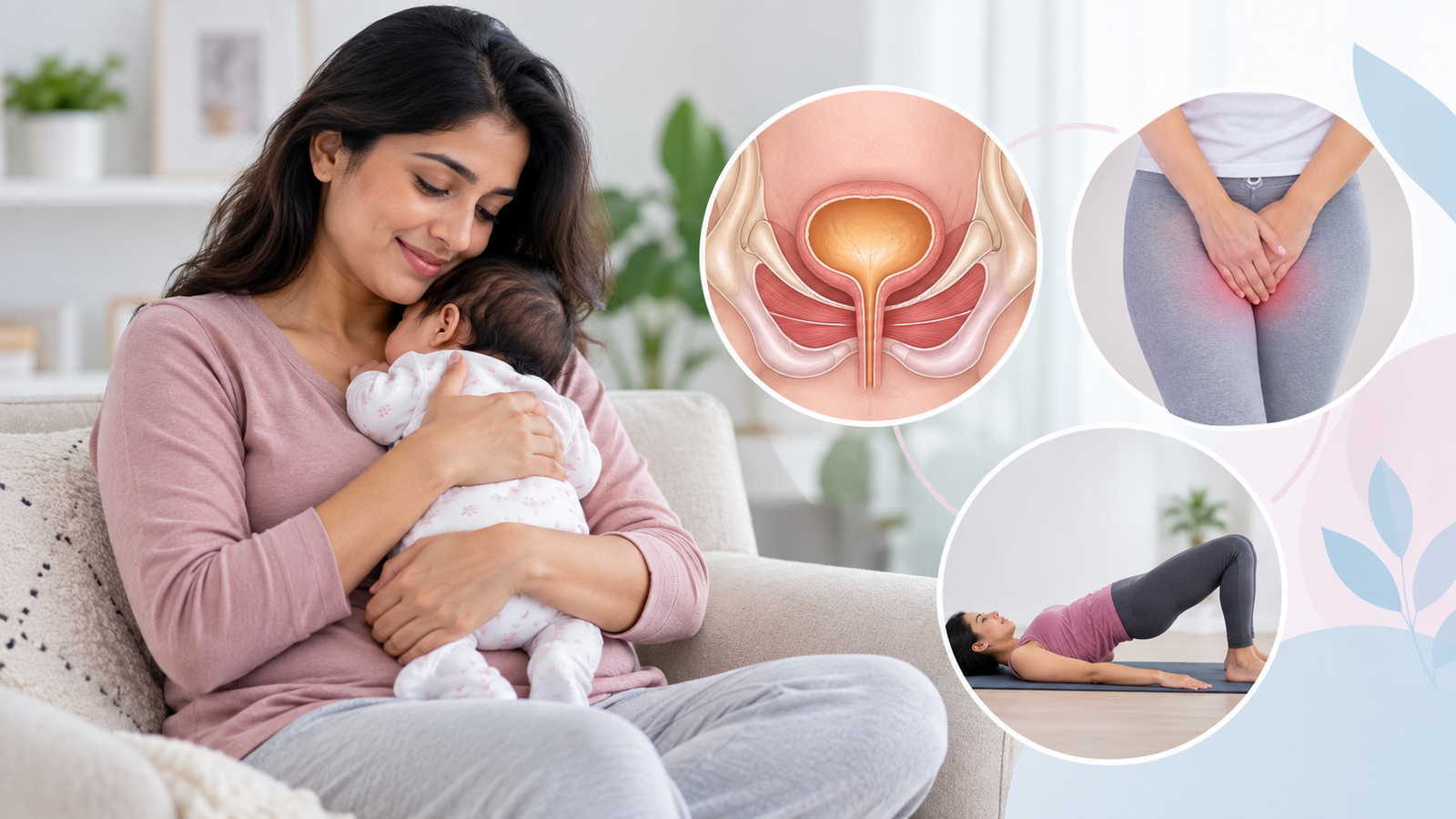
Non surgical care means settling an episiotomy scar with hands, exercises, topical care and time instead of an operation. Instead, scar massage, pelvic floor physiotherapy, desensitisation work and simple moisturising form the core of it. Nothing is cut and nothing is stitched, so the aim is comfort and softness rather than a new anatomy. Episiotomy Scar Treatment along these lines suits most women whose complaint is discomfort, tightness or sensitivity.
Why does an episiotomy scar cause trouble?
Trouble arises because a scar is stiffer and less stretchy than the tissue it replaced, and this area has to stretch. Nerve endings caught within healing tissue may become oversensitive, so light touch registers as pain. Muscles around the perineum often tighten protectively after a difficult birth, so that guarding adds its own ache. Meanwhile, low oestrogen while breastfeeding leaves the tissue drier and thinner, which magnifies everything else.
Symptoms therefore overlap. Burning at the entrance, a pulling sensation, a tender spot at one point along the scar and difficulty with tampons or examination are all commonly described together. Understanding which of these dominates guides the treatment more usefully than looking at the scar alone.
Is pain during intercourse afterwards normal?
Discomfort in the early weeks is common, yet persistent pain months later is not something to simply endure. Many women are told it will settle, and often it does, but pain continuing beyond three to six months deserves proper assessment. Causes are treatable more often than not, and delay makes muscle guarding worse rather than better. Above all, being examined by someone who takes the complaint seriously is the single most useful step.
Assessment looks for a tight or tender scar band, a painful pelvic floor, dryness from hormonal change, an infection, or a skin condition such as lichen sclerosus that needs medical treatment. Each of those leads somewhere different, so a diagnosis matters before any plan is made.
What does scar massage involve?
Scar massage means applying steady pressure along and across the healed scar to soften the band and therefore improve how the tissue moves. Clean hands, a plain lubricant and a few minutes daily are all that is required, so long as healing is complete, usually at around six to eight weeks. Pressure is held on a tight spot until it eases rather than rubbed briskly, and perineal stretching may be added gradually. Progress is slow and steady, so several weeks pass before the difference is obvious.
How does pelvic floor physiotherapy help?
Pelvic floor physiotherapy helps because much of the pain comes from muscles that have learned to grip rather than from the scar itself. A trained physiotherapist assesses tone, teaches release and breathing techniques, and works on the tender points internally where appropriate. Strengthening alone is often the wrong instruction, since an already tight pelvic floor needs to let go before it needs to work harder. Dilator work may be introduced in a graded way, and biofeedback is sometimes used. Referral is arranged where this is the main problem.
What is desensitisation and why does it work?
Desensitisation is the gradual reintroduction of touch so the nervous system stops treating the area as a threat. Beginning with pressure that is comfortable, then progressing over days and weeks to firmer contact, the brain slowly recalibrates what it interprets as pain. Consistency beats intensity here, and pushing into sharp pain sets progress back. Partners are usually involved once solo work is comfortable, at a pace you set.
What topical care is worth using?
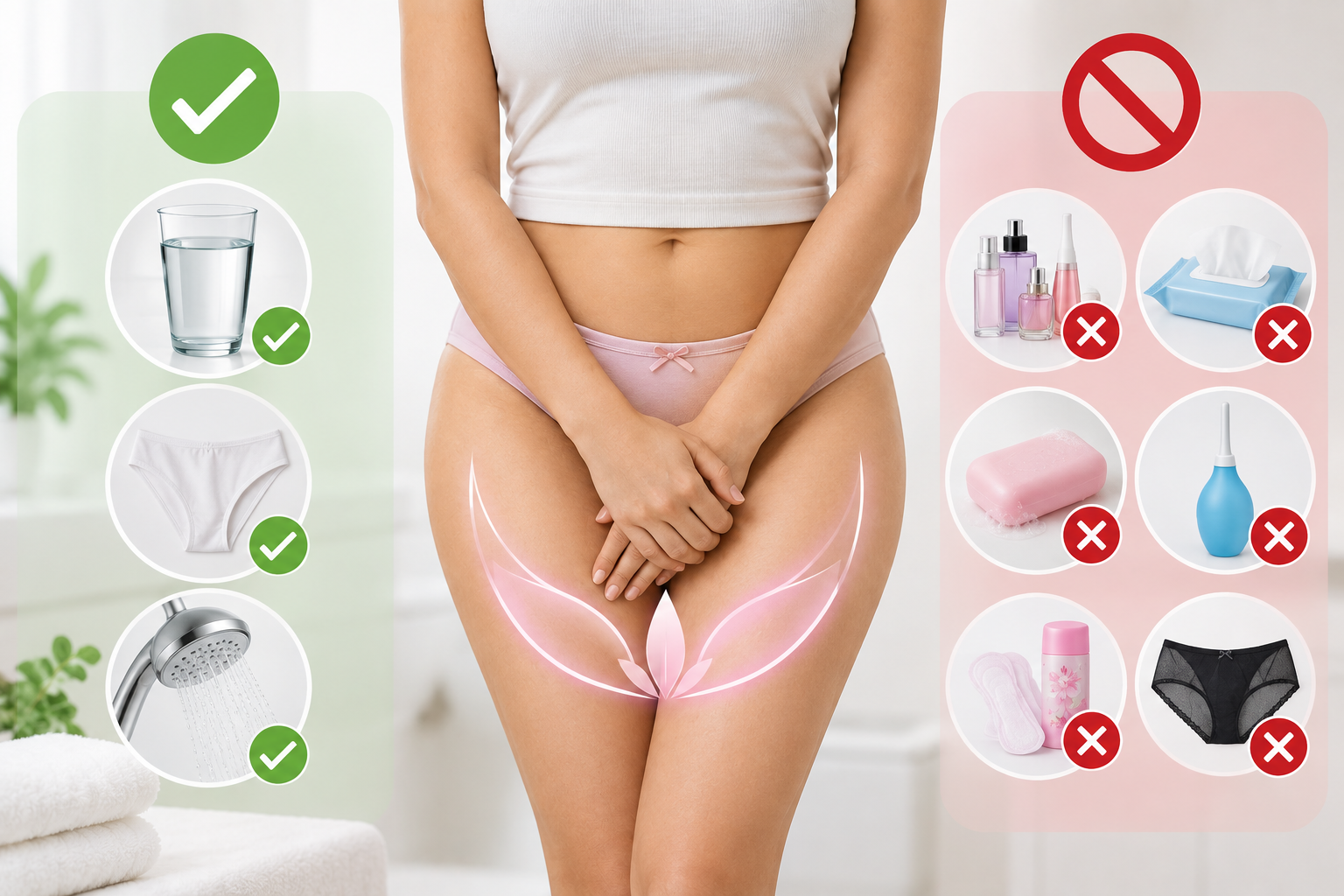
Topical care is simple and cheap, and it supports everything else rather than replacing it. Sensible measures include the following.
- A plain, fragrance free moisturiser or bland emollient on the scar
- A good lubricant for intimacy and for massage sessions
- Silicone gel where the scar is raised or thickened
- Vaginal oestrogen where dryness is hormonal, prescribed after assessment
- Avoiding scented washes, wipes and antiseptic soaps, which irritate
Unregulated lightening or numbing creams bought online should be left alone, because potent steroids and mercury containing products cause genuine harm to this skin.
How long does improvement take?
Improvement generally takes weeks to months, so the honest answer is that it is gradual. Scar tissue continues remodelling for up to a year after delivery, therefore some women improve substantially with time and simple measures alone. Physiotherapy programmes usually run six to twelve sessions before their full effect is judged. Patience is genuinely part of the treatment, though patience should never mean waiting years without being assessed.
Who is likely to benefit?
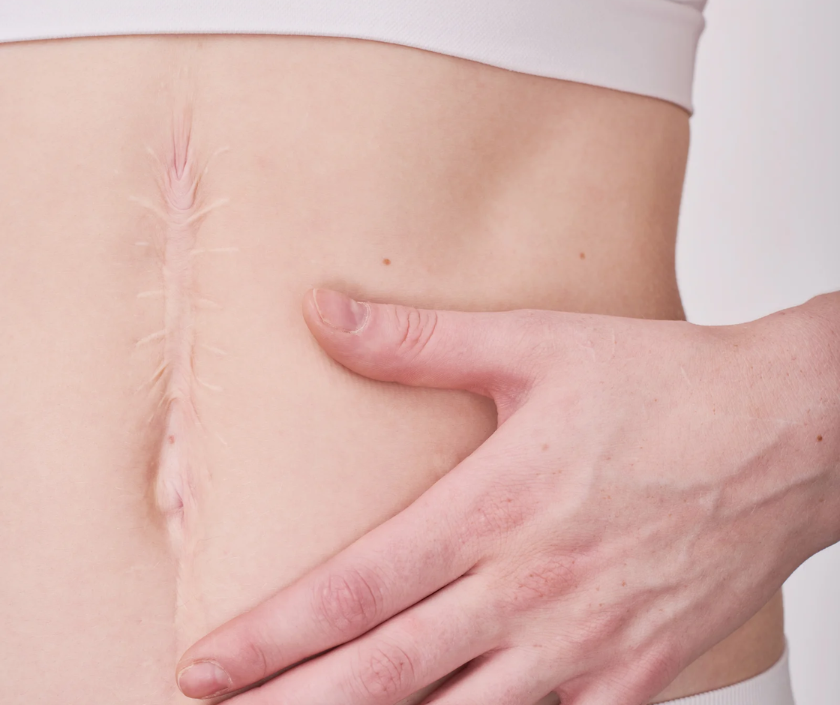
Women whose scar is soft but tender, or tight in a narrow band, tend to do well with this approach. Benefit is likely where the complaint is sensitivity, dryness, muscle guarding or a pulling sensation. Conversely, benefit is limited where the tissue is grossly distorted, where a band of scar is thick and rigid, or where the entrance has narrowed structurally. Recognising the difference early saves months of frustration.
When should surgery be considered?
Surgery is considered only after non surgical care has been given a proper trial and has clearly failed. Persistent pain from a rigid scar band, a narrowed entrance, a painful skin tag or a poorly aligned repair may need correction rather than more massage. That route is set out separately on our page for episiotomy scar revision. Most women, importantly, never reach that point.
What are the risks, and what will not change?
Risks are small because nothing invasive is involved, yet limits are real and worth stating. Massage started too early or too firmly can irritate healing tissue and increase pain temporarily. Progress may stall, and some women find the daily routine hard to sustain alongside a new baby. Above all, no amount of massage will reshape distorted tissue or open a structurally narrowed entrance, so an honest review point is set at the start.
What does it cost in India?
Costs in rupees are modest compared with most cosmetic treatments, since the main expense is professional time rather than equipment. Physiotherapy is usually charged per session over a planned course, while moisturisers, lubricants and silicone gel cost little. Consultation and review visits are quoted upfront so nothing is unexpected. A clear written estimate is given after examination, and never before.
Why choose Elegance Clinic?
Elegance Clinic in Surat takes postnatal pain seriously rather than treating it as something to tolerate. Dr. Ashutosh Shah examines carefully, looks for treatable causes including skin conditions and hormonal dryness, and arranges physiotherapy where muscles are the main driver. Because he also performs scar surgery, he can say honestly when non surgical care has reached its ceiling. Related pages sit under scar improvement and across the wider intimate skin and grooming section, while our privacy and confidentiality page explains how your visit is kept discreet.
If you would like to talk through Episiotomy Scar Treatment without any pressure to proceed, a private consultation with Dr. Ashutosh Shah in Surat can be arranged quietly. Nothing is examined or discussed beyond what you are comfortable with on the day. Our contact page has the details you need.
Note: This page is for general information and is not a substitute for a medical consultation. Darkening of intimate skin is usually normal, and where it is not, the cause should be assessed before any cosmetic treatment. Results vary between individuals and no outcome can be promised.
Ready to Talk, Privately?
Book a confidential consultation with Dr. Ashutosh Shah. There is no pressure, only clear and honest guidance.