What is vaginal septum excision?
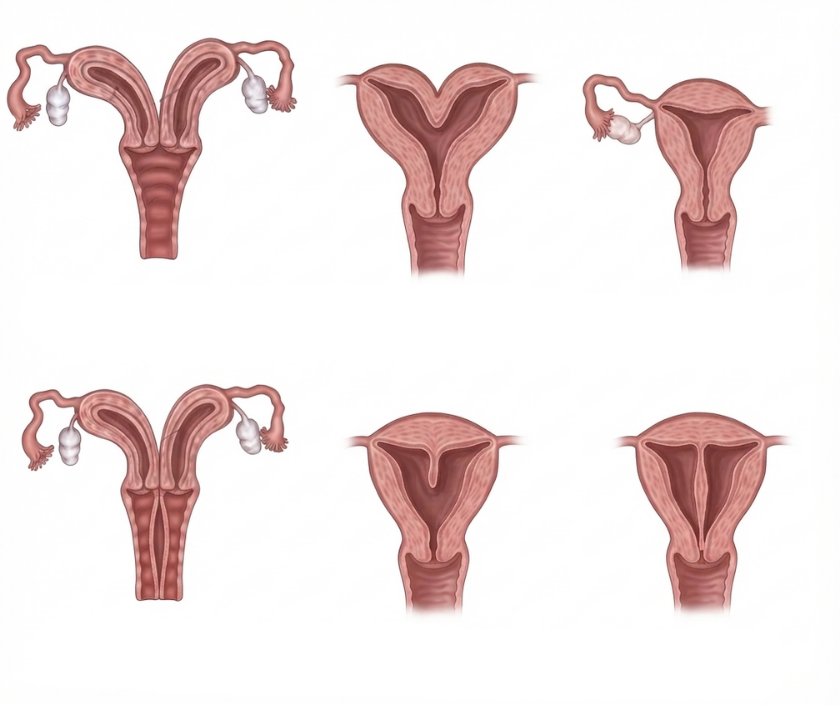
Vaginal Septum Excision is surgery to remove a wall of tissue inside the vagina that should not be there. A vaginal septum is a congenital band that either runs across the canal or divides it lengthwise. Because it can block or narrow the vagina, it may cause pain, trapped periods, or trouble with intimacy. This natural variation is present from birth and is treated for health and comfort. This page explains the diagnosis and the reconstructive surgery.
What types of vaginal septum are there?
There are two main types, and they behave differently. A transverse septum runs across the canal and can block menstrual flow, much like an imperforate hymen. Meanwhile, a longitudinal septum runs lengthwise and can divide the vagina into two channels. Because each type causes different symptoms, identifying yours guides the surgery. Sometimes a septum is linked with other differences in the womb, which are checked too.
Which symptoms suggest a septum?
Symptoms depend on the type and how much of the canal is affected. A transverse septum may cause cramping with little or no menstrual bleeding, because blood is trapped. A longitudinal septum may cause difficulty using tampons or discomfort during intimacy. Sometimes there are no symptoms until later. Because these signs can be subtle, a gentle assessment gives a clear answer and reassurance.
How is it diagnosed?
Diagnosis begins with a gentle, respectful examination of the vagina. Because the septum's position and thickness matter for planning, imaging is often used. An ultrasound or an MRI shows the anatomy and checks the womb and kidneys, which can be linked. Privacy and reassurance are prioritised throughout. After the review, the findings and the planned surgery are explained clearly, and consent is taken.
Is this a common congenital condition?
Yes, a vaginal septum is a recognised congenital condition, meaning it forms before birth. It is one of several natural variations in how the vagina develops. Because it is nobody's fault and simply a matter of anatomy, there is no cause for embarrassment. Many women feel reassured to learn it is treatable with good results. Therefore we frame it plainly as a health matter, managed with care.
How is vaginal septum excision performed?
The surgery is done under spinal or general anaesthesia for comfort. During the operation, the surgeon carefully removes the dividing wall of tissue. As part of Vaginal Septum Excision, the vaginal lining is then stitched together to form a single, open canal. After that, a soft mould or dilator may support healing when the septum was thick. Because nearby structures are protected, the surgeon works precisely throughout.
What anaesthesia and hospital stay are involved?
The procedure is usually done under spinal or general anaesthesia, chosen with the anaesthetist. Depending on the septum, it may be day care or a short overnight stay. When a thicker septum is removed, a soft dilator may be used for a period. Because comfort matters, pain relief and clear aftercare are provided. Meanwhile, gentle hygiene supports smooth healing at home.
What are the real risks and complications?
This is reconstructive surgery, so we name the real risks plainly.
- Bleeding, bruising, or infection
- Scar tissue or narrowing of the canal
- Altered sensation during healing
- Injury to the bladder or bowel, which is uncommon
- The need for a dilation routine or a further step
Because scars are permanent and healing varies, we discuss each risk with you first. Complex cases may involve specialist colleagues.
Will I need to use dilators afterwards?
Dilators are advised in some cases, especially after removing a thicker transverse septum. Because the canal can narrow while it heals, gentle regular dilation keeps it open and comfortable. At first the routine is more frequent, and then it eases. Meanwhile, a lubricant makes it comfortable. However, many women with a thin septum need little or no dilation, which the team explains for your case.
What results can I realistically expect?
Most women gain a normal, open canal with relief of their symptoms. Because trapped flow is released, cramping usually settles, and intimacy often becomes comfortable. However, outcomes vary, and we cannot promise a perfect result. Realistically, the goal is a healthy, functional vagina, sometimes with a period of dilation. Therefore honest expectations are set together before you decide.
Will it affect periods, intimacy, and fertility?
In most cases, periods flow normally once a blocking septum is removed. Meanwhile, intimacy usually becomes comfortable after healing. Because the womb and ovaries are often normal, fertility is generally unaffected, though a review confirms this. Honestly, when the womb has an associated difference, further discussion may be needed. Therefore an individual assessment guides what to expect for you.
How does this compare with imperforate hymen surgery?
A septum is a wall inside the canal, while an imperforate hymen is a covering at the opening. The table below compares the two congenital conditions simply.
| Feature | Vaginal septum | Imperforate hymen |
|---|---|---|
| Location | Inside the canal | At the opening |
| Type | Dividing wall | Covering membrane |
| Treatment | Septum excision | Small opening surgery |
For related care, see our pages on imperforate hymen treatment and vaginal stenosis correction.
How do I begin at Elegance Clinic?
Start with a private, unhurried consultation with Dr. Ashutosh Shah in Surat. During that meeting, he examines gently, arranges imaging, and explains the surgery clearly and reassuringly. You also receive a clear written estimate after examination. To explore related care, visit our hub for Cosmetic Gynecology Surgery, then contact the clinic for a confidential appointment.
Note: This page is for general information and is not a substitute for a medical consultation. Gynaecological and reconstructive care is individual, carries real risks and sometimes needs more than one procedure. Dr. Ashutosh Shah and the team will advise honestly what is right for you.
Ready to Talk, Privately?
Book a confidential consultation with Dr. Ashutosh Shah. There is no pressure, only clear and honest guidance.