What is Sagging Breast Correction?
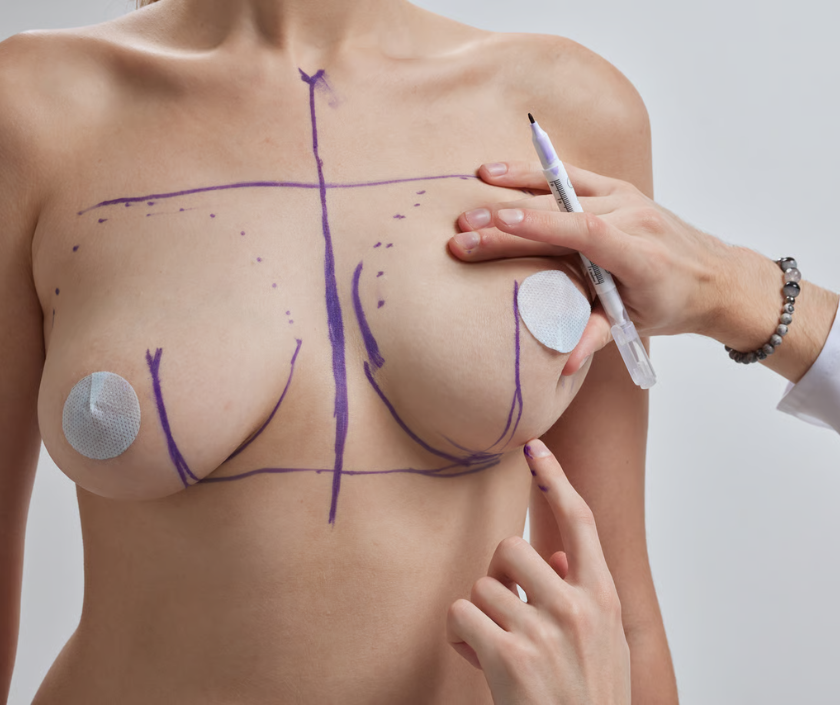
Sagging Breast Correction is surgery that raises the breast, tightens loose skin and returns the nipple to a natural position on the chest. Doctors call it mastopexy, or simply a breast lift. Importantly, the operation reshapes tissue a woman already has rather than adding anything to it. Our parent page on breast lift surgery explains the wider approach, while this page looks closely at drooping itself. Because every breast droops in its own pattern, the plan is built after examination.
What is ptosis and how is the degree judged?
Ptosis is the medical word for a breast that has settled lower than it once did, and its degree is judged by where the nipple sits against the inframammary fold, the crease beneath the breast. Skin and internal ligaments stretch over the years, therefore tissue slides downward while the nipple begins to point lower. Pregnancy, feeding, large weight changes, ageing and plain genetics all play a part. Your surgeon looks at that landmark while you stand, because lying down hides the true position. Broadly, three grades are described, along with a separate pattern in which the tissue drops but the nipple stays put.
- Mild, where the nipple sits roughly level with the fold.
- Moderate, where the nipple has dropped a little below the fold yet still faces forwards.
- Severe, where the nipple lies well below the fold and points towards the floor.
- Glandular ptosis, in which the lower tissue hangs below the fold while the nipple remains above it.
Measurements from the collarbone to the nipple and from the nipple to the fold then tell the surgeon how far the areola must travel.
Which breast changes must be checked before any cosmetic surgery?
Certain changes need medical assessment first, because they can be signs of breast cancer. Please arrange prompt review before considering any cosmetic operation if you notice:
- A new lump, or a lump that is growing, feels hard or seems fixed to the tissue around it.
- Discharge from the nipple, above all when it is bloody or comes from one side only.
- Any nipple that has newly turned inwards or become pulled in.
- Dimpling, puckering, or skin with a texture like orange peel.
- Pain on one side that does not settle, or a difference between the two breasts that is changing quickly.
These are assessed by examination and imaging such as ultrasound or mammography, sometimes with a needle test as well. Cosmetic surgery is never the first step here. Most such findings turn out to be harmless, yet the checking has to happen first, and it happens quickly.
Which technique suits which degree?
Technique follows the amount of skin that must come away, so heavier sagging needs a longer scar pattern. Pairings are set out below.
| Degree of sagging | Usual technique | Scar pattern |
|---|---|---|
| Mild or glandular | Periareolar or crescent lift | Around the edge of the areola |
| Moderate | Vertical or lollipop lift | Around the areola and straight down to the fold |
| Severe | Anchor or inverted T lift | Around the areola, down to the fold and along the crease |
Choosing a shorter scar for a breast that needs more work usually disappoints, because the shape falls again within a year or two. Honest planning therefore accepts the scar the tissue actually requires.
Does a lift add fullness?
No, a lift raises and reshapes but it does not add volume. Many women lose upper pole fullness, meaning the roundness above the nipple, and lifting alone cannot rebuild that. Consequently a woman who wants both a higher breast and more fullness needs a combined plan, either a lift with an implant or a lift with fat transferred from her own body. Combining the two is a bigger undertaking with more variables, so it is sometimes safer to stage the work across two sittings.
What should I know before agreeing to an implant?
Implants change the discussion completely, therefore the facts belong here rather than in small print.
- They are not lifetime devices. Further surgery to exchange or remove them becomes likely at some point in life.
- Capsular contracture can develop, where scar tissue tightens around the implant, alters the shape and may hurt enough to need revision surgery.
- Rupture can occur, and with silicone it may be silent, so follow up imaging is advised.
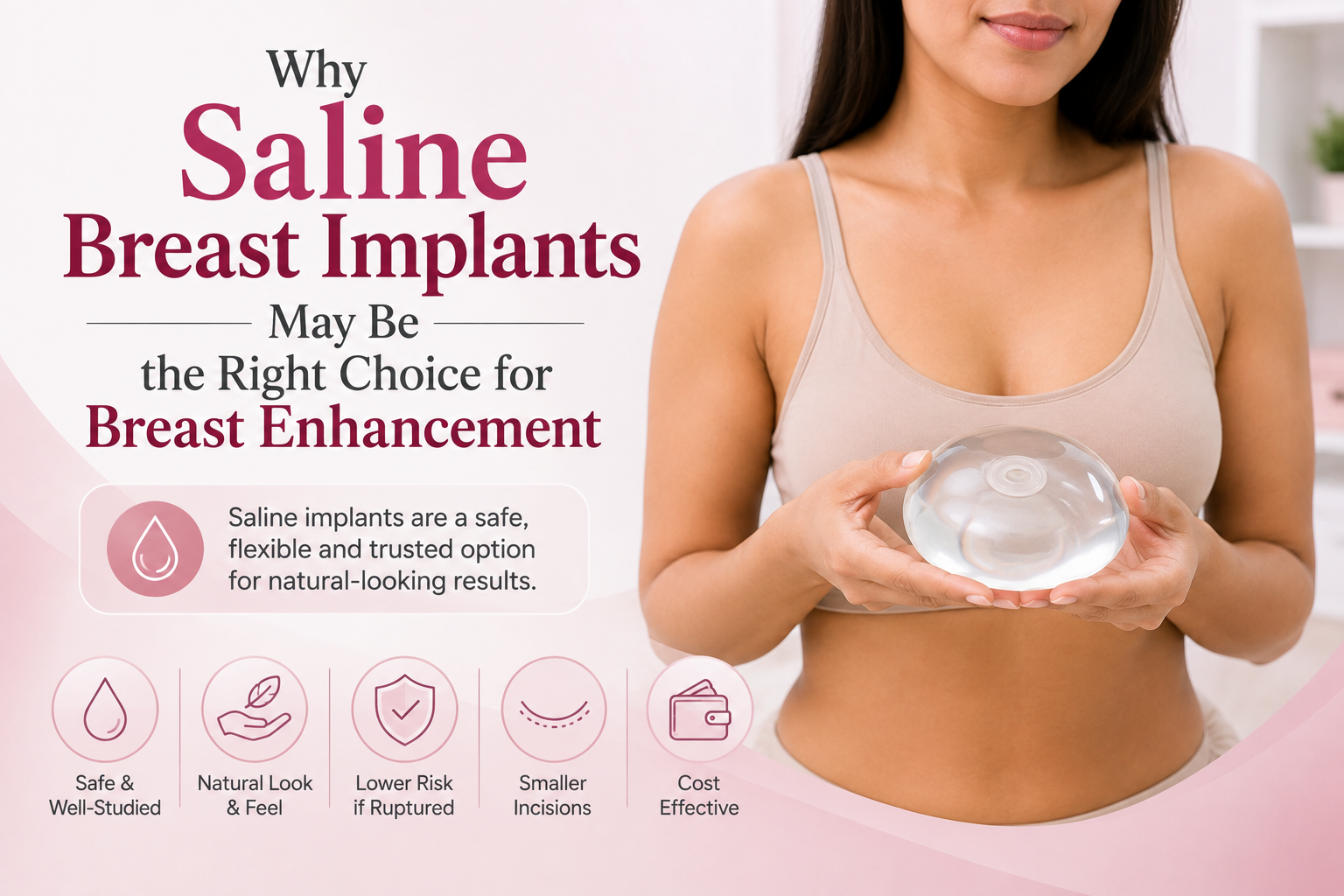
- BIA ALCL, breast implant associated anaplastic large cell lymphoma, is a rare cancer of the immune system linked mainly with textured surfaces. Rare does not mean absent, so it is named plainly here.
- Breast implant illness is the term used for a range of body wide symptoms some women report after implants. Such reports are taken seriously and discussed, although what is actually proven remains limited.
- Teenagers are not suitable candidates, because the breast should be physically mature first.
Volume of any kind also affects screening. Implants and fat transfer both make a mammogram harder to read, so always tell the radiographer and the radiologist what you have had done, since extra or different views may be needed. Fat transfer in particular can leave calcifications and small cysts that must be told apart from cancer on imaging.
Where will the scars sit?
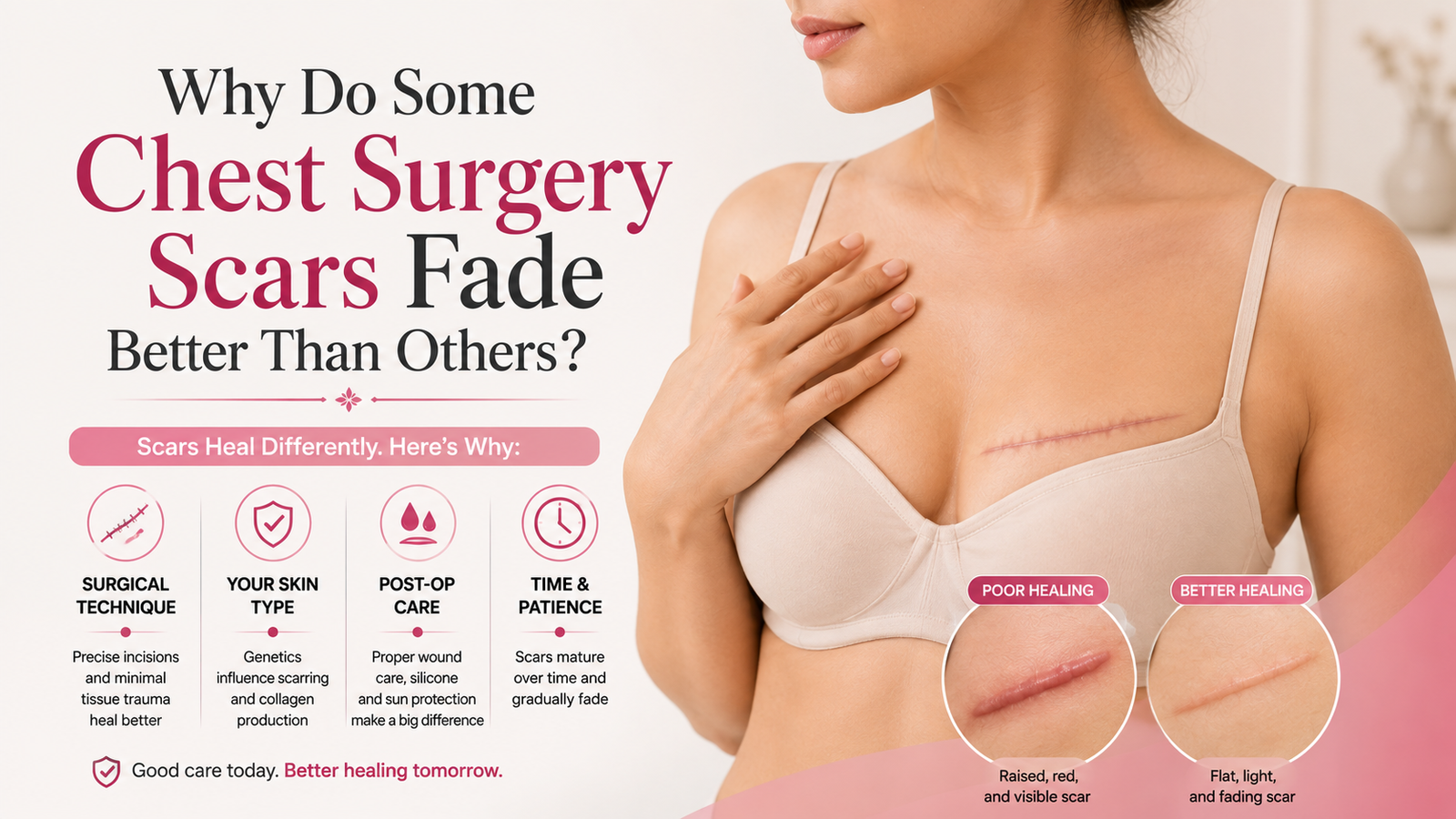
Scars sit exactly where skin was removed, so their position is predictable even though their quality is not. A lift trades scars for shape, and that trade is the honest heart of the decision. Around the areola the line usually blends well, because the border of pigmented skin hides it. Down the front of the breast a vertical scar is more visible in the early months, after which it softens. Along the crease the scar is generally covered by a bra or a bikini top. Redness and firmness for three to six months are normal, while final fading takes a year. Some women, particularly with thicker or darker skin, form raised or keloid scars, and this possibility is discussed beforehand.
Will surgery affect breastfeeding?
It can, and no honest surgeon promises otherwise. The risk depends on technique, particularly where the areola is cut or the ducts beneath it are disturbed. Methods that keep the nipple attached to its underlying tissue tend to preserve function better than those moving it as a graft. Even so, milk supply cannot be predicted for any individual woman. If a family is planned, say so at the first visit, because the plan or the timing can be adjusted around it.
Who is a good candidate?
Sagging Breast Correction suits a woman in reasonable health whose weight has been steady and whose family is either complete or clearly planned around. Smoking matters a great deal, since nicotine narrows small blood vessels and raises the chance of wound breakdown and nipple loss. Above all, expectations need to be workable, because a lift improves position and shape without turning one woman's breast into another's.
What is recovery like?
Most women are walking the same evening and home within a day or two. Pain is usually described as soreness and tightness rather than anything sharp, and tablets manage it. A supportive bra without underwire is worn day and night for roughly six weeks. Desk work often resumes in one to two weeks, whereas gym training, running and lifting wait for six. Swelling settles across a few months, so final shape is judged nearer a year.
What are the risks?
No breast operation is free of risk, and a lift carries a defined list. Bleeding, infection, delayed wound healing and altered nipple sensation are the common ones. Sensation may be reduced, increased or patchy, and although it usually recovers over months, it does not always return fully. Losing nipple skin is uncommon but serious, and smokers face a higher chance of it. Over the years, gravity, weight change and pregnancy can loosen the result again, therefore a lift is a reset rather than a fixed state.
What does it cost in India?
Cost depends on the technique, on theatre and anaesthetic time, on any device used and on the length of stay. Prices are quoted in rupees and vary widely between cities. Because a figure given without examining you would be guesswork, none is published here. Instead, a written estimate follows your consultation, covering surgery, anaesthesia, stay, garments and review visits.
Why choose Elegance Clinic?
Dr. Ashutosh Shah assesses the breast properly before offering anything, and says plainly when surgery is not the answer. Consultations are private, unhurried and free of pressure, while our approach to privacy and confidentiality is written down rather than assumed. Related options across the breast and chest aesthetics pillar are explained side by side for comparison.
Should drooping bother you and an honest opinion be what you want, you are welcome to arrange a private consultation with Dr. Ashutosh Shah in Surat.
Note: This page is for general information and is not a substitute for a medical consultation. Any new breast lump, nipple change or skin change should be assessed by a doctor before considering cosmetic treatment. Results vary between individuals and no outcome can be promised.
Ready to Talk, Privately?
Book a confidential consultation with Dr. Ashutosh Shah. There is no pressure, only clear and honest guidance.