Is it normal for one breast to be bigger than the other?
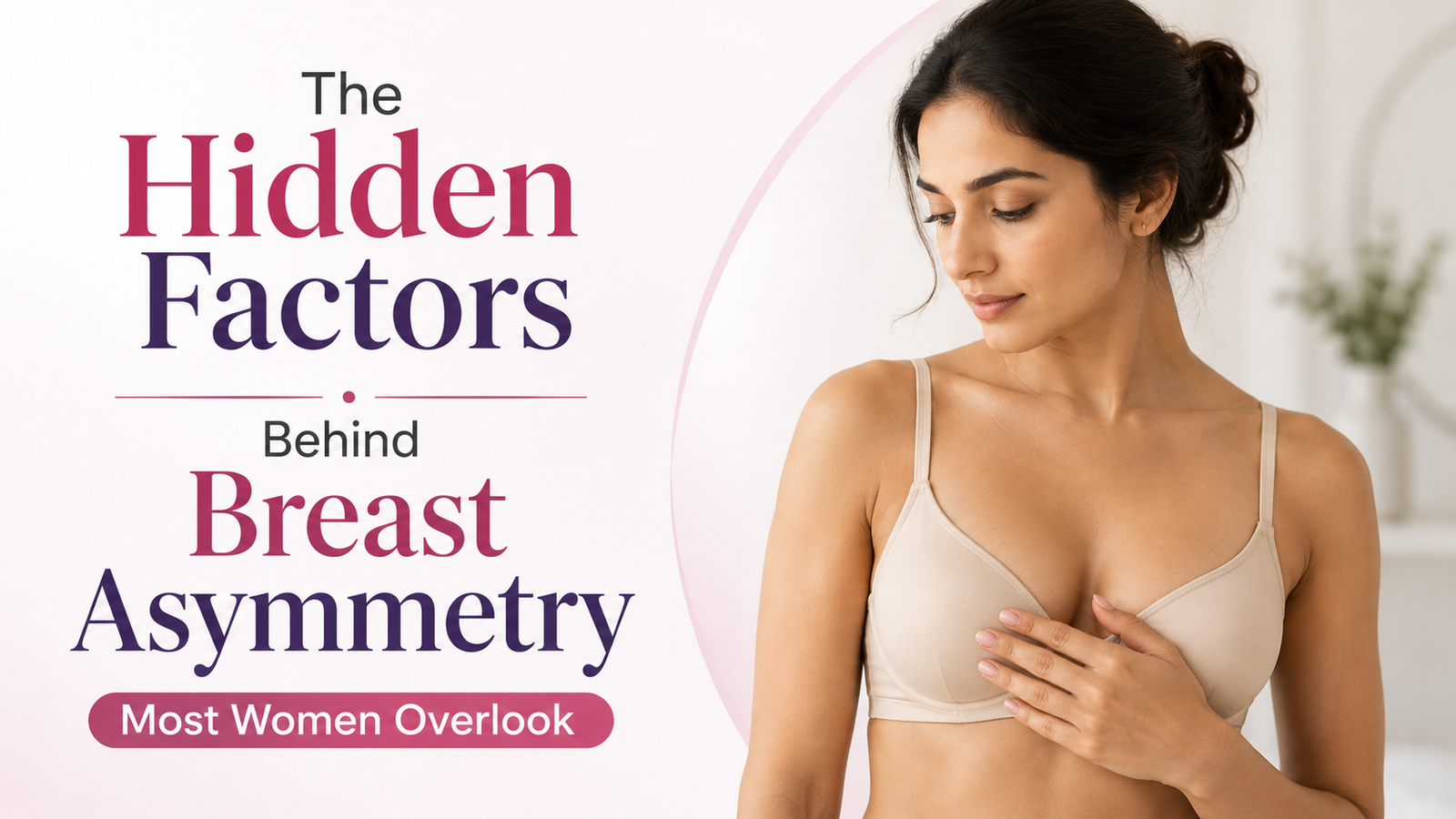
Yes, some difference between the two sides is entirely normal, so almost every woman has it. Nature rarely builds a matching pair, therefore small differences in size, shape, nipple height or fold position are found in most bodies. Clothing and bra fit also make a small gap look larger than it truly is. Reassurance rather than an operation is the right answer far more often than women expect.
What is Breast Asymmetry Surgery?
Breast Asymmetry Surgery is a plan of one or more procedures used to bring two very different breasts closer to each other in size, shape and position. Sometimes the larger side is reduced, while in other women the smaller side is built up, and often both sides are adjusted together. Because every pair is different, no single operation suits everyone.
When does a difference between the sides need urgent assessment?
A difference that is new in an adult, or one that is increasing quickly, is a medical question rather than a cosmetic one. Above all, arrange an examination promptly if you notice any of the following.
- a lump you have not felt before, or one that keeps enlarging
- any lump that seems hard or anchored to deeper tissue
- fluid or blood coming from a nipple, particularly from one side only
- a nipple that has recently pulled inward
- skin that is dimpled, puckered or textured like orange peel
- one sided pain that carries on week after week
- a gap between the two sides that is widening rapidly
These features can point to breast cancer, so they are assessed with examination and imaging before anything cosmetic is planned. Cosmetic surgery is never the first step when a change like this appears. More about how such symptoms are investigated sits on our conditions page.
Why do women choose to have it corrected?
Most women come because the difference has become a daily nuisance rather than a passing thought. Bras fit one side and gape on the other, so padding and adjustment turn into a routine. Swimwear and fitted clothes then feel like a problem to be solved every morning. Confidence takes a knock in changing rooms and in relationships, and that is a reasonable thing to want help with. Surgery is offered for marked differences that affect clothing, comfort or confidence, never for the small variation that everybody has.
What causes marked asymmetry in the first place?
Development itself is the commonest reason, since the two breasts simply grow at different rates during puberty. Hormonal changes in pregnancy and feeding can leave one side fuller or emptier than before. Weight change affects each side unequally in some women. Chest wall differences, such as a curved spine or an uneven rib cage, tilt the whole foundation on which the breasts sit. Previous surgery, injury or a developmental variation may also lie behind it, and the wider picture is covered on our breast asymmetry correction page.
What are the treatment options available?
Options fall into a few groups, although they are often combined within one plan.
| Route | When it suits |
|---|---|
| Reduction of the larger side | Where the bigger breast is heavy or causes back and shoulder ache |
| Augmentation of the smaller side | Where overall volume is modest and more fullness is wanted |
| Lift of one or both sides | Where the difference lies mainly in droop and nipple height |
| Fat transfer | Where a small volume difference needs softening and donor fat is available |
Choice depends on your anatomy as much as your wishes, therefore the plan is built with you rather than handed to you. Where sagging is the real issue, a breast lift often achieves more than adding volume would.
Can perfect symmetry be achieved?
No, perfect symmetry is not achievable, and any surgeon who suggests otherwise is not being straight with you. Breasts are living tissue resting on a chest wall that is itself uneven, so the two sides settle, respond and age differently. Better balance is the honest goal, meaning a difference that no longer shows in clothing and no longer occupies your mind. Small differences will remain afterwards, because they remain in every woman.
What are the honest facts if an implant is used?
Implants can even out volume well, however they bring lifelong commitments that must be understood beforehand. Above all, implants are not lifetime devices, so exchange or removal at some stage should be planned for rather than assumed away.
- Capsular contracture, a tightening of the scar layer around the device, may alter shape or cause pain and can lead to further surgery.
- Rupture is possible, and silicone leaks can be silent, therefore follow up imaging is advised across the years.
- BIA ALCL, short for breast implant associated anaplastic large cell lymphoma, is a rare cancer of the immune system connected mainly with textured surface implants, and it is named openly here rather than glossed over.
- Breast implant illness is the name given to a set of general symptoms that some women report after implants, and it is neither dismissed nor overstated in our discussions.
- Girls in their teens should not have implants, since physical maturity has to come first.
Who is a good candidate for surgery?
Good candidates are women in stable health whose breast development is complete and whose weight has been steady for a while. Any symptom needing assessment is dealt with before cosmetic planning begins. Smoking is discussed frankly, because healing suffers badly without a break from it. Understanding that balance rather than a matching pair is the aim tends to produce the happiest results.
How is the surgery actually performed?
Surgery is performed under general anaesthesia, although the steps depend on which route you have chosen. Reduction removes tissue and skin from the larger side while moving the nipple to a better height. Augmentation places an implant or transferred fat on the smaller side, once a short incision has been made. Where both droop and volume differ, a lift is combined with one of the other routes in a single sitting. Most women stay for the day or for one night, so the length of stay depends on how much has been done.
What is recovery like, and what are the risks?
Soreness, swelling and bruising settle across two to three weeks, while a support bra is worn day and night at first. Desk work restarts in about a week, whereas exercise waits roughly six weeks. Risks include bleeding, infection, poor scarring, altered nipple sensation and fat necrosis after grafting, while some difference may remain or return with time. Occasionally a small revision is needed, and Dr. Ashutosh Shah will say so honestly at the outset if that looks likely.
Will surgery affect breastfeeding or my mammograms?
Breast surgery can affect the ability to breastfeed, and the risk varies with the technique, above all where the areola or the ducts are involved. Therefore tell us before planning if you hope to have children, so the operation can be designed with that in mind. Nothing about future feeding can be promised. Implants and fat grafting also make mammograms harder to read, since grafted fat may leave calcifications and cysts that must be told apart from cancer. Always tell the radiographer and the radiologist what you have had done, because extra or different views may be required.
What does it cost, and why choose Elegance Clinic?
Cost in rupees depends on whether one side or both are operated on, so the route chosen and the theatre and hospital time both matter. You will receive a clear written estimate after examination, with everything itemised so there are no surprises later. Unhurried consultations, careful measurement and plain speaking about what is achievable are offered here, because women deserve that. Dr. Ashutosh Shah in Surat sees many women who only want to know whether their difference is normal, and often the answer is a simple yes.
If the difference bothers you enough to shape your clothes and your confidence, a private consultation is a sensible starting point. Bring your questions, then reach us through the contact page whenever you feel ready.
Note: This page is for general information and is not a substitute for a medical consultation. Any new breast lump, nipple change or skin change should be assessed by a doctor before considering cosmetic treatment. Results vary between individuals and no outcome can be promised.
Ready to Talk, Privately?
Book a confidential consultation with Dr. Ashutosh Shah. There is no pressure, only clear and honest guidance.